

Hydraulic systems depend on reliable connections to move pressurized fluid safely and efficiently. Whether used in construction equipment, agricultural machinery, industrial manufacturing, or mining operations, every hydraulic fitting plays a vital role in maintaining system performance. A poorly chosen fitting can lead to leaks, pressure loss, equipment downtime, and costly repairs.
Among the many types of hydraulic fittings available, JIC banjo fittings and standard hydraulic fittings are two common options. While both are designed to connect hydraulic components securely, they differ in design, installation, sealing method, and ideal applications. Understanding these differences can help engineers, equipment manufacturers, and maintenance professionals select the best fitting for their hydraulic systems.
In this guide, we’ll compare JIC banjo fittings with standard hydraulic fittings, explain their advantages, and help you determine which option best suits your application.
What Are JIC Banjo Fittings?
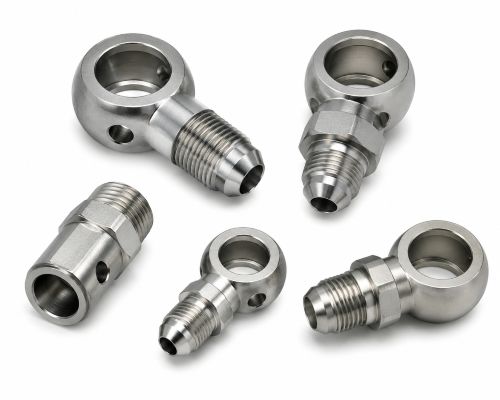
JIC banjo fittings are specialized hydraulic connectors that combine a banjo-style connection with a JIC (Joint Industry Council) 37-degree flare thread. Their unique design allows hydraulic fluid to pass through a hollow banjo bolt while providing a compact connection that fits easily into confined spaces.
Unlike conventional fittings that require straight-line installation, JIC banjo fittings allow the hydraulic hose to rotate into the desired position before the bolt is fully tightened. This flexibility makes installation easier and reduces stress on the hose assembly.
Main Components of a JIC Banjo Fitting
A typical JIC banjo fitting consists of several essential parts:
1. Banjo body that connects the hydraulic hose
2. Hollow banjo bolt that allows hydraulic fluid to flow
3. Sealing washers positioned on both sides of the banjo eye
4. JIC 37° flare connection for a secure, leak-resistant seal
Each component contributes to creating a durable and dependable hydraulic connection capable of handling demanding operating conditions.
How JIC Banjo Fittings Work
Hydraulic fluid travels through the hollow center of the banjo bolt and exits through cross-drilled holes into the banjo fitting before continuing into the hydraulic hose or component.
As the banjo bolt is tightened, the sealing washers are compressed between the fitting and the mounting surface, creating a reliable seal while the JIC flare connection provides additional leak protection.
This design allows the fitting to maintain excellent sealing performance while occupying very little installation space.
What Are Standard Hydraulic Fittings?
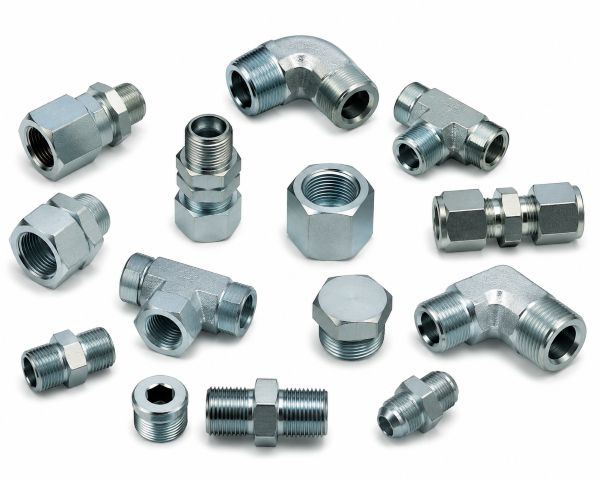
Standard hydraulic fittings are conventional connectors used to join hydraulic hoses, tubes, valves, pumps, cylinders, and other hydraulic components. They are available in numerous configurations and thread standards to suit different hydraulic systems.
Unlike banjo fittings, standard hydraulic fittings generally connect directly through threaded ports or compression-style connections without using a hollow bolt.
Common Types of Standard Hydraulic Fittings
Some of the most widely used hydraulic fittings include:
1. Straight fittings
2. 45-degree elbow fittings
3. 90-degree elbow fittings
4. Tee fittings
5. Cross fittings
7. Adapters
8. Couplings
Each fitting style is designed to solve a specific routing or connection requirement within a hydraulic circuit.
Popular Hydraulic Thread Standards
Standard hydraulic fittings are available with various international thread standards, including:
3. BSPP (British Standard Pipe Parallel)
4. BSPT (British Standard Pipe Taper)
5. SAE O-Ring Boss (ORB)
Selecting the correct thread type is critical to ensuring compatibility and preventing hydraulic leaks.
JIC Banjo Fittings vs Standard Hydraulic Fittings
Although both fitting types serve the same general purpose, several important differences affect their performance and application.
1. Design
The most obvious difference lies in their construction.
JIC banjo fittings feature a circular banjo eye that attaches using a hollow bolt. This compact design allows hydraulic lines to exit at various angles while occupying minimal space.
Standard hydraulic fittings rely on traditional threaded bodies available in numerous shapes such as straight, elbow, or tee configurations. They generally require more installation clearance than banjo fittings.
For equipment with limited working space, the compact design of JIC banjo fittings often provides a significant advantage.
2. Installation Space
Space constraints frequently influence fitting selection.
Many hydraulic systems contain closely packed components where installing conventional fittings becomes difficult. In these situations, JIC banjo fittings provide a practical solution because the hose can be positioned before the banjo bolt is tightened.
Their low-profile design also reduces interference with nearby components, making them ideal for compact hydraulic assemblies.
Standard hydraulic fittings perform exceptionally well in open installations where space is not a concern. However, they may require additional elbows or adapters when routing hoses through tight areas.
3. Connection Method
The sealing method differs considerably between these two fitting styles.
JIC banjo fittings use:
➡️ JIC 37-degree flare connection
➡️ Hollow banjo bolt
➡️ Sealing washers
➡️ Metal-to-metal flare sealing
This combination provides dependable sealing even under demanding operating conditions.
Standard hydraulic fittings may rely on:
➡️ Thread sealing
➡️ O-ring sealing
➡️ Compression sealing
➡️ Metal-to-metal sealing
The exact sealing method depends on the fitting standard being used.
4. Installation Flexibility
One of the greatest advantages of JIC banjo fittings is installation flexibility.
Before the banjo bolt is fully tightened, the fitting can rotate into the desired position. This allows technicians to align hoses without twisting them, reducing installation time and minimizing hose stress.
Standard hydraulic fittings generally require more precise alignment during installation. Once tightened, repositioning often requires loosening the entire fitting.
This makes banjo fittings especially valuable for equipment that requires frequent servicing or component replacement.
5. Pressure Performance
Both fitting types are capable of handling demanding hydraulic pressures when selected correctly.
JIC banjo fittings are commonly used in high-pressure hydraulic systems found in heavy equipment, industrial machinery, and mobile hydraulics. Their robust sealing design helps maintain system integrity under continuous pressure.
Standard hydraulic fittings are also available in pressure ratings ranging from low-pressure applications to extremely high-pressure industrial systems. Their performance depends on the specific fitting design, material, and thread standard.
Choosing the appropriate pressure rating is essential regardless of which fitting type is used.
6. Leak Resistance
Preventing hydraulic fluid leaks is one of the primary goals when selecting any hydraulic fitting.
JIC banjo fittings are designed with multiple sealing points. The combination of the 37-degree JIC flare and sealing washers helps create a dependable, leak-free connection when installed correctly. Because the fitting can be aligned before tightening, there is also less stress placed on the hydraulic hose, reducing the likelihood of leaks developing over time.
Standard hydraulic fittings can also provide excellent sealing performance, but the effectiveness depends on the fitting type and sealing method. For example, ORFS fittings are known for outstanding leak resistance, while tapered thread fittings rely on proper thread engagement and sealing compounds. Regardless of the fitting style, following the manufacturer’s recommended installation and torque specifications is essential to minimize leaks.
7. Cost Comparison
Cost is another factor that often influences fitting selection.
JIC banjo fittings generally have a slightly higher purchase price because of their specialized design and additional components, such as the banjo bolt and sealing washers. However, their compact design, ease of installation, and reduced maintenance requirements can help lower overall operating costs in the long run.
Standard hydraulic fittings are typically more affordable and are available in a wide range of sizes and configurations. They are an economical choice for general-purpose hydraulic systems where installation space is not a limiting factor.
Ultimately, the best value depends on your application’s specific requirements rather than the initial purchase price alone.
Advantages of JIC Banjo Fittings
JIC banjo fittings offer several benefits that make them a preferred choice in many hydraulic systems.
1. Compact Design
Their low-profile construction allows installation in areas where conventional fittings cannot fit, making them ideal for equipment with limited clearance.
2. Flexible Hose Positioning
Because the banjo body can rotate before tightening, installers can position hydraulic hoses more easily, improving routing and reducing hose strain.
3. Excellent Leak Prevention
The combination of sealing washers and a JIC flare connection creates a reliable seal that performs well under high pressure and vibration.
4. Simplified Maintenance
JIC banjo fittings can often be removed and reinstalled more easily during servicing, reducing maintenance time and improving equipment uptime.
5. High-Pressure Capability
When manufactured from quality materials and installed correctly, JIC banjo fittings can perform reliably in demanding hydraulic applications.
Advantages of Standard Hydraulic Fittings
Despite the benefits of banjo fittings, standard hydraulic fittings remain the most commonly used option across many industries.
1. Wide Variety of Configurations
They are available in numerous styles, including straight, elbow, tee, cross, and adapter designs, allowing engineers to build virtually any hydraulic circuit.
2. Broad Compatibility
Standard fittings are manufactured to meet various international standards, making them compatible with a wide range of hydraulic equipment.
3. Lower Initial Cost
For many applications, standard hydraulic fittings provide a cost-effective solution without sacrificing reliability.
4. Easy Availability
Because they are widely used, replacement fittings are readily available from hydraulic suppliers around the world.
Common Applications
Although both fitting types are used in hydraulic systems, each is best suited for particular environments.
Common Applications for JIC Banjo Fittings
JIC banjo fittings are frequently found in:
➡️ Construction equipment
➡️ Agricultural machinery
➡️ Mining equipment
➡️ Hydraulic power units
➡️ Mobile hydraulic systems
➡️ Heavy-duty trucks
➡️ Material handling equipment
➡️ Industrial machinery with limited installation space
Their compact design makes them especially valuable where hose routing is challenging.
Common Applications for Standard Hydraulic Fittings
Standard hydraulic fittings are commonly used in:
1. Hydraulic presses
2. Manufacturing equipment
3. Factory automation systems
4. Fluid transfer systems
5. Marine hydraulics
6. Oil and gas equipment
7. Stationary hydraulic power units
8. General industrial machinery
Their versatility makes them suitable for a broad range of hydraulic applications.
When Should You Choose JIC Banjo Fittings?
JIC banjo fittings are often the better choice when:
1. Installation space is limited.
2. Hydraulic hoses require flexible routing.
3. Equipment is exposed to constant vibration.
4. Frequent maintenance or servicing is expected.
5. A compact, low-profile connection is needed.
High-pressure performance is required in confined spaces.
When Are Standard Hydraulic Fittings the Better Choice?
Standard hydraulic fittings are generally recommended when:
1. There is sufficient installation space.
2. The hydraulic layout is straightforward.
3. Multiple fitting configurations are required.
4. Cost is a primary consideration.
5. Existing equipment already uses a specific thread standard.
6. General-purpose hydraulic connections are needed.
How to Choose the Right Hydraulic Fitting
Selecting the correct fitting involves more than simply matching thread sizes. Consider the following factors before making your decision:
1. Operating pressure requirements
2. Thread type and compatibility
3. Available installation space
4. Hose routing requirements
5. Hydraulic fluid compatibility
6. Operating temperature
7. Material selection, such as carbon steel or stainless steel
8. Corrosion resistance
9. Compliance with industry standards and specifications
Carefully evaluating these factors will help ensure long-term system reliability and minimize maintenance costs.
Maintenance Tips
Proper maintenance extends the service life of both JIC banjo fittings and standard hydraulic fittings.
1. Inspect fittings regularly for signs of leaks or corrosion.
2. Replace worn or damaged sealing washers during servicing.
3. Tighten fittings according to the manufacturer’s recommended torque values.
4. Avoid overtightening, which can damage threads or sealing surfaces.
5. Clean fittings before installation to prevent contamination.
6. Replace damaged fittings immediately rather than attempting temporary repairs.
7. Include hydraulic fittings as part of routine preventive maintenance inspections.
Consistent maintenance helps reduce unexpected downtime and improves overall hydraulic system performance.
Frequently Asked Questions
Are JIC banjo fittings suitable for high-pressure hydraulic systems?
Yes. High-quality JIC banjo fittings are designed to handle high-pressure hydraulic applications when properly installed and matched to the system’s pressure requirements.
What is the biggest advantage of JIC banjo fittings?
Their compact design and ability to rotate during installation make them ideal for hydraulic systems with limited space and complex hose routing.
Can JIC banjo fittings replace standard hydraulic fittings?
In many applications, yes. However, compatibility depends on the hydraulic system’s design, pressure rating, thread type, and available installation space.
Do JIC banjo fittings require thread seal tape?
No. The sealing is achieved through the JIC 37-degree flare and sealing washers rather than thread seal tape.
Are JIC banjo fittings reusable?
Yes, they can often be reused if the fitting and sealing surfaces remain undamaged. However, sealing washers should generally be replaced to maintain a reliable seal.
Which material is best for JIC banjo fittings?
Carbon steel is commonly used for high-strength industrial applications, while stainless steel offers superior corrosion resistance for marine, chemical, and outdoor environments.
Conclusion
Both JIC banjo fittings and standard hydraulic fittings provide secure and reliable hydraulic connections, but each is designed to meet different application needs. Standard hydraulic fittings offer excellent versatility, a wide range of configurations, and cost-effective performance for general hydraulic systems. In contrast, JIC banjo fittings excel in compact installations where flexible hose routing, dependable sealing, and efficient use of space are essential.
By considering factors such as operating pressure, installation space, thread compatibility, and environmental conditions, you can choose the fitting that best supports your hydraulic system’s performance and longevity. Investing in high-quality fittings from a trusted manufacturer also helps reduce maintenance, minimize leaks, and ensure safe, reliable operation for years to come.
Post time: Jul-27-2026