

Pipe and tube fittings play a critical role in plumbing, industrial, HVAC, and fluid-handling systems. They connect, control, and direct the flow of liquids and gases, ensuring system efficiency and safety. Among the many material options available, stainless steel and brass fittings are two of the most widely used due to their reliability and performance.
Choosing the right fitting material matters because it directly affects durability, corrosion resistance, safety, cost, and long-term performance. The wrong choice can lead to leaks, premature failure, contamination, or costly maintenance.
Stainless steel and brass fittings are commonly used in plumbing systems, industrial processing, marine environments, HVAC systems, and gas applications. While they may look similar at first glance, their material properties and ideal use cases differ significantly.
What Are Stainless Steel Fittings?
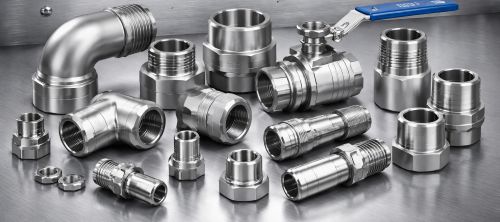
Stainless steel fittings are made from steel alloyed with chromium, typically at least 10.5 percent. The chromium forms a passive oxide layer that protects the material from corrosion and rust.
Common Grades (e.g., 304, 316)
➡️ 304 stainless steel: Widely used, good corrosion resistance, suitable for general applications
➡️ 316 stainless steel: Enhanced corrosion resistance due to added molybdenum, ideal for marine and chemical environments
Typical Uses and Industries
1. Chemical and petrochemical processing
2. Food and beverage production
3. Pharmaceutical manufacturing
4. Marine and offshore systems
5. High-pressure and high-temperature applications
What Are Brass Fittings?
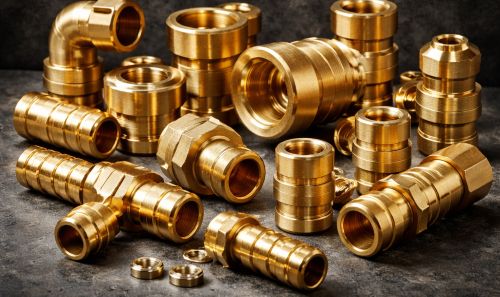
Brass fittings are made from an alloy of zinc and copper. The ratio of these elements affects strength, corrosion resistance, and machinability.
Common Types of Brass Alloys
1. Yellow brass: General-purpose applications
2. Red brass: Higher copper content, improved corrosion resistance
3. Lead-free brass: Designed for potable water and regulatory compliance
Typical Uses and Industries
1. Residential and commercial plumbing
2. Gas and fuel systems
3. HVAC installations
4. Low- to medium-pressure fluid systems
Key Differences Between Stainless Steel and Brass Fittings
1. Strength and Durability
Tensile Strength Comparison
Stainless steel fittings generally have higher tensile strength than brass, making them better suited for demanding environments.
Resistance to Wear and Impact
Stainless steel resists deformation, cracking, and mechanical wear better than brass, especially in industrial settings.
Performance in High-Pressure Systems
For high-pressure applications, stainless steel is often the preferred choice due to its superior mechanical strength.
2. Corrosion Resistance
Stainless Steel Resistance to Rust and Chemicals
Stainless steel offers excellent resistance to rust, oxidation, and many chemicals, particularly grade 316.
Brass Resistance to Corrosion and Dezincification
Brass resists corrosion well in water systems but can suffer from dezincification in aggressive or acidic environments.
Performance in Water, Marine, and Chemical Environments
Stainless steel outperforms brass in saltwater, chemical exposure, and harsh outdoor conditions.
3. Temperature Tolerance
High- and Low-Temperature Performance
Stainless steel maintains strength and stability across a wider temperature range than brass.
Suitability for Steam and Hot Water Systems
Stainless steel is better suited for steam, superheated fluids, and extreme temperature fluctuations.
4. Cost and Value
Initial Material Cost
Brass fittings are generally less expensive upfront than stainless steel fittings.
Long-Term Maintenance and Replacement Costs
Stainless steel fittings often have a longer service life, reducing replacement and downtime costs.
Cost-Effectiveness by Application
Brass is cost-effective for standard plumbing, while stainless steel offers better value for demanding or long-term applications.
5. Weight and Ease of Installation
Weight Differences
Brass fittings are typically heavier than stainless steel but still manageable for most installations.
Machinability and Installation Effort
Brass is easier to machine and thread, making installation quicker and simpler.
Threading and Sealing Considerations
Stainless steel requires careful installation to prevent thread galling, often using proper lubricants.
6. Hygiene and Safety
Suitability for Food and Beverage Applications
Stainless steel is non-reactive, easy to clean, and widely approved for sanitary applications.
Lead Content Considerations in Brass
Traditional brass may contain lead, making lead-free brass essential for potable water systems.
Compliance with Industry Standards
Stainless steel typically meets stricter hygiene and safety standards across industries.
Application-Based Comparison
1. Plumbing Systems
Residential and Commercial Plumbing
Brass fittings are commonly used due to affordability and ease of installation.
Potable Water Compatibility
Lead-free brass and stainless steel are both suitable, but stainless steel offers superior purity.
2. Industrial and Manufacturing Use
High-Pressure and Chemical Environments
Stainless steel is preferred for its strength and chemical resistance.
Longevity and Reliability
Stainless steel fittings generally last longer under continuous industrial use.
3. Marine and Outdoor Applications
Saltwater Exposure
Stainless steel, especially 316 grade, performs far better than brass.
Weather Resistance
Stainless steel withstands moisture, UV exposure, and temperature changes more effectively.
4. HVAC and Gas Systems
Temperature and Pressure Requirements
Both materials are used, but stainless steel is favored for higher pressures and temperatures.
Safety Considerations
Brass is commonly used for gas fittings due to good sealing and machinability.
Pros and Cons Summary
1. Stainless Steel Fittings
Advantages
➡️ High strength and durability
➡️ Excellent corrosion and temperature resistance
➡️ Hygienic and long-lasting
Limitations
➡️ Higher upfront cost
➡️ More difficult to machine and install
2. Brass Fittings
Advantages
➡️ Lower initial cost
➡️ Easy to machine and install
➡️ Good corrosion resistance in water systems
Limitations
➡️ Lower strength than stainless steel
➡️ Potential dezincification and lead concerns
How to Choose the Right Fitting Material
1. Environment and operating conditions: Consider moisture, chemicals, and outdoor exposure
2. Pressure and temperature requirements: Higher demands favor stainless steel
3. Budget and lifespan expectations: Balance upfront cost with long-term value
4. Regulatory and safety standards: Ensure compliance with potable water and industry regulations
Stainless Steel vs Brass Fittings: Quick Comparison Table
|
Feature |
Stainless Steel |
Brass |
|
Strength |
Very high |
Moderate |
|
Corrosion Resistance |
Excellent |
Good |
|
Temperature Tolerance |
High |
Moderate |
|
Cost |
Higher |
Lower |
|
Hygiene |
Excellent |
Good (lead-free required) |
|
Typical Applications |
Industrial, marine, food-grade |
Plumbing, HVAC, gas |
Frequently Asked Questions (FAQs)
1. Are stainless steel fittings better than brass?
Not always. Stainless steel is better for harsh, high-pressure, or sanitary environments, while brass is ideal for standard plumbing and cost-sensitive projects.
2. Which fittings last longer?
Stainless steel fittings typically have a longer lifespan, especially in corrosive or high-stress conditions.
3. Can stainless steel and brass fittings be mixed?
Yes, but care must be taken to prevent galvanic corrosion, especially in wet or outdoor environments.
Please visit these resources for your hydraulic system ⬇️⬇️⬇️
What Are the Different Types of Copper Compression Fittings?
A Complete Hydraulic Guide to Flare to Flare Fittings
Pipe Union Flow Direction [Standards, Rules, and Best Practices]
Conclusion
Stainless steel and brass fittings each offer distinct advantages depending on the application. Stainless steel excels in strength, corrosion resistance, hygiene, and longevity, making it ideal for demanding environments. Brass stands out for its affordability, ease of installation, and reliability in standard plumbing and gas systems.
The best choice ultimately depends on operating conditions, regulatory requirements, budget, and expected lifespan. By understanding the key differences outlined in this guide, you can confidently select the fitting material that delivers optimal performance and value for your specific needs.
Post time: Jan-19-2026