

Hydraulic systems are widely used across industries such as construction, manufacturing, agriculture, transportation, and oil and gas. These systems rely on clean, contamination-free hydraulic fluid to operate efficiently and maintain long-term performance. Even small amounts of dirt, dust, moisture, or debris can cause serious damage to hydraulic components, leading to costly repairs, equipment downtime, and reduced productivity.
This is why hydraulic fitting protection is so important during manufacturing, storage, and transportation. Protective components such as hydraulic plugs and caps help keep hydraulic systems sealed and protected before installation and during maintenance.
Although the terms “hydraulic protection plugs” and “hydraulic protection caps” are often used interchangeably, they are not the same product. Each serves a specific purpose and is designed for different applications. Understanding the difference between hydraulic plugs and caps can help businesses improve system cleanliness, increase equipment reliability, and reduce maintenance costs.
What Are Hydraulic Protection Plugs?
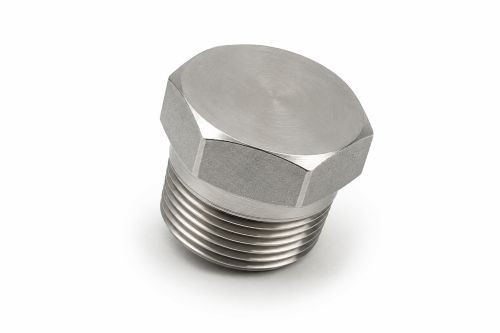
Hydraulic protection plugs are protective components designed to seal internal threaded ports, openings, or cavities in hydraulic systems. They are inserted directly into openings to block contaminants from entering sensitive hydraulic components.
These plugs are commonly used during manufacturing, assembly, storage, and transportation to maintain cleanliness and protect internal threads from damage.
Common Materials Used in Hydraulic Protection Plugs
Hydraulic protection plugs are available in several materials depending on the application requirements and environmental conditions. Common materials include:
1. Plastic
2. Rubber
3. Silicone
4. High-temperature polymers
Plastic plugs are lightweight and cost-effective, while rubber and silicone options provide additional flexibility and sealing performance. High-temperature polymer plugs are commonly used in demanding industrial environments where heat resistance is essential.
Typical Applications of Hydraulic Protection Plugs
Hydraulic plugs are commonly used in:
1. Hydraulic ports
2. Threaded openings
3. Hose ends
4. Valve protection systems
These plugs are especially important for protecting sensitive internal hydraulic pathways from contamination during handling and transport.
Key Features of Hydraulic Protection Plugs
Hydraulic plugs offer several important benefits, including:
1. Preventing dirt, dust, and moisture intrusion
2. Protecting internal threads from damage
3. Providing easy installation and removal
4. Maintaining hydraulic system cleanliness
5. Reducing contamination-related failures
Because contamination is one of the leading causes of hydraulic system failure, plugs play a critical role in preventative maintenance and equipment protection.
What Are Hydraulic Protection Caps?
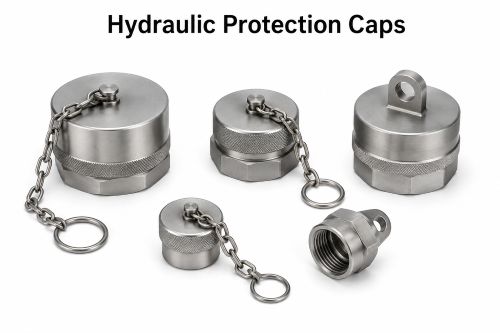
Hydraulic protection caps are designed to cover external fittings, threads, connectors, or pipe ends. Unlike plugs, which fit inside openings, caps fit over the outside of hydraulic components to shield exposed surfaces from damage and contamination.
Hydraulic caps are commonly used to protect external threads and connection points during storage, shipping, and handling.
Common Materials Used in Hydraulic Protection Caps
Hydraulic caps are typically manufactured from:
1. Polyethylene
2. Vinyl
3. Rubber
4. Flexible plastic compounds
These materials provide durability, flexibility, and resistance to environmental exposure. Some cap materials are specifically engineered for chemical resistance or high-impact applications.
Typical Applications of Hydraulic Protection Caps
Hydraulic protection caps are commonly used for:
1. Hydraulic hose fittings
2. External threaded fittings
3. Pipe ends
4. Tube assemblies
Caps are especially useful when hydraulic components are transported between facilities or stored for extended periods.
Key Features of Hydraulic Protection Caps
The primary advantages of hydraulic caps include:
1. Covering exposed external surfaces
2. Preventing corrosion and physical damage
3. handling and shipping safety
4. Protecting threads from impact damage
5. Reducing contamination risks
By protecting exposed connectors and fittings, caps help maintain component integrity until installation.
Hydraulic Protection Plugs vs Caps: The Core Differences
Although both products are used for hydraulic protection, there are several important differences between plugs and caps.
Installation Location
The biggest difference is where the products are installed.
➡️ Hydraulic plugs fit inside openings or ports
➡️ Hydraulic caps fit over external surfaces and fittings
This distinction determines which type of protection product should be used for a specific hydraulic component.
Protection Function
Hydraulic plugs primarily protect:
1. Internal threads
2. Hydraulic ports
3. Internal cavities
Hydraulic caps primarily protect:
1. External threads
2. Hose fittings
3. Pipe ends
4. Connectors
Choosing the wrong product may leave critical surfaces exposed to contamination or damage.
Design Structure
Hydraulic plugs are generally designed with insertion features that allow them to securely seal internal openings. Some include ribbed or threaded structures for improved retention.
Hydraulic caps are designed to slide or snap over external surfaces. Many feature flexible walls or tapered shapes for a secure fit.
Reusability
Hydraulic plugs and caps are available in both disposable and reusable versions.
➡️ Disposable options are commonly used for short-term shipping protection
➡️ Reusable products are preferred for long-term industrial applications
Material durability plays an important role in determining whether a product can be reused multiple times.
Why Choosing the Right Protection Product Matters
Selecting the proper hydraulic protection product is essential for maintaining hydraulic system performance and reliability.
Preventing Hydraulic Contamination
Hydraulic systems are extremely sensitive to contamination. Even microscopic particles can damage pumps, valves, seals, and cylinders.
Using the correct plugs and caps helps prevent:
1. Dust intrusion
2. Moisture contamination
3. Metal particle exposure
4. Chemical contamination
Clean hydraulic systems perform more efficiently and experience fewer failures.
Reducing Equipment Downtime
Contamination-related hydraulic failures often result in costly maintenance and unexpected downtime.
Proper protection products help:
1. Avoid maintenance disruptions
2. Reduce repair frequency
3. Extend component lifespan
4. Improve operational reliability
This leads to lower maintenance costs and increased productivity.
Protecting Expensive Components
Hydraulic fittings, hoses, valves, and connectors can be expensive to replace. Damage to threads or sealing surfaces may require complete component replacement.
Hydraulic plugs and caps help prevent:
1. Thread damage
2. Surface scratches
3. Corrosion
4. Impact-related wear
Protecting these components reduces replacement costs and improves long-term equipment value.
Meeting Industry Standards
Many industries require strict hydraulic cleanliness standards during manufacturing and assembly processes.
OEM manufacturers and industrial facilities often use hydraulic plugs and caps to comply with:
1. Cleanliness specifications
2. Shipping requirements
3. Equipment quality standards
4. Internal maintenance procedures
Using proper protection products helps ensure compliance and product quality.
Common Industries That Use Hydraulic Plugs and Caps
Hydraulic plugs and caps are widely used across numerous industries.
Construction Equipment
Heavy equipment manufacturers use protection products on:
➡️ Excavators
➡️ Loaders
➡️ Cranes
➡️ Bulldozers
These environments expose hydraulic systems to dust, dirt, and harsh operating conditions.
Agriculture Machinery
Agricultural equipment commonly uses hydraulic systems in:
➡️ Tractors
➡️ Harvesters
➡️ Irrigation machinery
Protection products help maintain system cleanliness in muddy and dusty environments.
Manufacturing and Industrial Equipment
Industrial facilities use hydraulic protection products for:
➡️ Hydraulic presses
➡️ Automation systems
➡️ Production machinery
➡️ Industrial power units
Maintaining hydraulic cleanliness is critical for reliable operation.
Transportation and Logistics
Hydraulic assemblies are frequently transported between facilities or shipped to customers.
Caps and plugs help protect components during handling and transit.
Oil and Gas Applications
Oil and gas operations often involve high-pressure hydraulic systems operating in demanding environments.
Protection products help prevent contamination and corrosion in critical applications.
How to Choose Between Hydraulic Plugs and Caps
Choosing the correct protection product depends on several factors.
Consider the Fitting Type
First, determine whether the application requires protection for:
➡️ Internal threads or openings (use plugs)
➡️ External threads or fittings (use caps)
This is the most important selection factor.
Evaluate Environmental Conditions
Consider the operating environment, including exposure to:
➡️ Dust
➡️ Moisture
➡️ Chemicals
➡️ Extreme temperatures
Harsh environments may require more durable or chemically resistant materials.
Material Compatibility
Choose materials that match the application requirements.
Consider:
➡️ Chemical resistance
➡️ Temperature tolerance
➡️ Pressure conditions
➡️ Flexibility requirements
The wrong material may fail prematurely in demanding environments.
Determine Reusability Needs
Some applications only require temporary shipping protection, while others require long-term reusable solutions.
Reusable products may provide greater cost savings over time.
Size and Fit Accuracy
Proper sizing is essential for effective protection.
Loose-fitting products may fall off during transport, while overly tight products can be difficult to remove or may damage fittings.
Always verify compatibility with the specific hydraulic component dimensions.
Best Practices for Hydraulic Fitting Protection
Following proper protection practices can significantly improve hydraulic system reliability.
Use Protection Immediately After Manufacturing
Install plugs and caps immediately after production or cleaning to minimize contamination exposure.
Inspect Plugs and Caps Regularly
Damaged protectors should be replaced immediately to maintain effective sealing performance.
Store Hydraulic Components Properly
Keep hydraulic components sealed and protected until installation to reduce contamination risks.
Train Maintenance Teams
Maintenance personnel should understand proper installation and removal procedures to avoid damaging fittings or protection products.
Common Mistakes to Avoid
Many hydraulic system issues are caused by improper protection practices.
Common mistakes include:
1. Using caps instead of plugs incorrectly
2. Choosing the wrong material for the environment
3. Ignoring temperature compatibility
4. Reusing damaged protection products
5. Leaving hydraulic ports exposed during storage
Avoiding these mistakes can significantly reduce hydraulic system failures and maintenance costs.
Conclusion
Hydraulic protection plugs and caps may seem similar, but they serve different purposes in hydraulic system protection. Plugs are designed to seal internal openings and ports, while caps are used to cover external fittings and threads.
Choosing the correct protection solution is essential for preventing contamination, protecting valuable hydraulic components, and maintaining equipment reliability. Proper hydraulic protection can reduce downtime, lower maintenance costs, and improve system performance across a wide range of industries.
In the end, hydraulic plugs and caps represent a small investment that can prevent major hydraulic system failures and extend the life of critical equipment.
Post time: May-18-2026