

Hydraulic systems rely on accurate pressure monitoring to operate safely and efficiently. Whether used in construction equipment, agricultural machinery, industrial systems, or hydraulic power units, pressure gauges help technicians understand what is happening inside a hydraulic circuit.
But how do you connect a pressure gauge to a hydraulic system when the gauge and hydraulic port have different connection types or sizes? This is where a hydraulic pressure gauge adapter becomes useful.
A hydraulic pressure gauge adapter provides a secure connection between a pressure gauge and a hydraulic circuit. Depending on the design, it can also change thread sizes, alter the connection direction, or make the gauge easier to install and read.
In this guide, we will explain what a hydraulic pressure gauge adapter is, how it works, its common types, applications, benefits, and how to choose the right one.
What Is a Hydraulic Pressure Gauge Adapter?
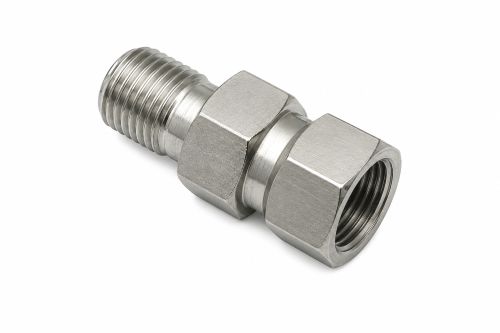
A hydraulic pressure gauge adapter is a pressure-rated fitting designed to connect a hydraulic pressure gauge to a hydraulic system.
Hydraulic systems can use different thread standards, port sizes, and connection configurations. A pressure gauge may not always match the port directly. An adapter bridges this connection while maintaining a secure and properly sealed pressure path.
Depending on the application, a hydraulic pressure gauge adapter may be used to:
1. Connect a pressure gauge to a hydraulic port
2. Convert one thread type to another compatible connection
3. Adapt different port sizes
4. Change the direction or position of a gauge
5. Provide access for pressure testing and monitoring
6. Make installation easier in confined spaces
These adapters are relatively small components, but they play an important role in hydraulic pressure measurement.
How Does a Hydraulic Pressure Gauge Adapter Work?
The working principle is straightforward. The adapter creates a pressure-tight passage between the hydraulic circuit and the pressure gauge.
For example, a hydraulic manifold may have a specific threaded port while the pressure gauge has a different thread size. Instead of replacing either component, a compatible adapter can be installed between them.
The process generally works as follows:
1. The adapter connects to the hydraulic system’s pressure port.
2. The pressure gauge connects to the other side of the adapter.
3. Hydraulic fluid pressure enters the adapter.
4. Pressure is transmitted through the adapter’s internal passage to the gauge.
5. The gauge measures and displays the system pressure.
The adapter itself does not normally measure pressure. Its main job is to provide a reliable connection that allows pressure to reach the gauge.
Sealing Is an Important Part of the Connection
A hydraulic connection must be properly sealed to prevent fluid leakage and pressure loss. Depending on the fitting design, sealing may be achieved with an O-ring, bonded seal, sealing washer, or the thread itself.
The sealing method should always match the adapter and port design. Using the wrong sealing method can lead to leaks, damaged threads, or unreliable operation.
Common Types of Hydraulic Pressure Gauge Adapters
Hydraulic pressure gauge adapters are available in several configurations. The right type depends on the hydraulic system, gauge, available space, and connection requirements.
1. Straight Pressure Gauge Adapters
Straight adapters provide a simple connection between the hydraulic port and pressure gauge.
They are commonly used when the gauge can be installed directly above or in line with the hydraulic connection. Their simple design makes them easy to install and maintain.
2. 90-Degree Pressure Gauge Adapters
A 90-degree adapter changes the direction of the connection.
These adapters are particularly useful when there is limited installation space or when a straight gauge connection would be difficult to read.
For example, a gauge installed close to a machine panel may be easier to access when the adapter positions it at a right angle.
3. Tee Pressure Gauge Adapters
A tee adapter provides an additional connection point within a hydraulic circuit.
This allows a pressure gauge to be connected while maintaining another hydraulic connection. Tee configurations are useful for monitoring pressure at specific points without completely redesigning the hydraulic circuit.
4. Reducing and Increasing Adapters
Sometimes the hydraulic port and pressure gauge have different connection sizes.
A reducing or increasing adapter can connect these components when the specific combination is designed and rated for the application.
It is important to verify both the thread type and pressure rating rather than selecting an adapter based only on nominal size.
5. Test and Diagnostic Adapters
Test adapters are commonly used during hydraulic troubleshooting and maintenance.
They provide technicians with a convenient point for connecting pressure measurement equipment. This can make it easier to diagnose problems such as low pressure, pressure fluctuations, or abnormal system performance.
Common Thread Types
One of the most important considerations when choosing a hydraulic pressure gauge adapter is thread compatibility.
Common thread types include:
➡️ BSPP
➡️ BSPT
➡️ NPT
➡️ SAE/UNF threads
BSP and NPT threads, for example, are not interchangeable simply because they may appear similar. Their dimensions and sealing principles can differ.
Metric threads also come in different sizes and configurations, so the exact specification needs to be identified before installation.
Always check the manufacturer’s specifications for both the gauge and hydraulic port before selecting an adapter.
Materials Used for Hydraulic Pressure Gauge Adapters
The material of an adapter affects its strength, durability, and resistance to the operating environment.
1. Carbon Steel
Carbon steel is widely used for hydraulic fittings because it offers good mechanical strength and durability.
Many carbon steel adapters are supplied with protective surface treatments, such as zinc plating, to improve corrosion resistance.
They are suitable for many general industrial and mobile hydraulic applications.
2. Stainless Steel
Stainless steel adapters offer excellent corrosion resistance and are often selected for demanding environments.
They can be useful where the equipment is exposed to moisture, chemicals, salt, or other corrosive conditions.
Stainless steel may also be preferred when long-term surface durability is especially important.
3. Brass
Brass is used for certain pressure connections and applications where its material characteristics are appropriate.
However, material selection should always be based on the actual pressure, temperature, fluid, and environmental requirements of the hydraulic system.
Key Features to Consider
Not every hydraulic pressure gauge adapter is suitable for every application. Before purchasing one, consider the following specifications.
1. Pressure Rating
The adapter must be rated for the hydraulic system’s operating pressure.
Do not select an adapter based only on physical fit. A component that fits correctly but does not have an appropriate pressure rating can create a serious safety risk.
2. Thread Type and Size
Confirm the thread specification on both sides of the connection.
For example, an adapter may have one thread type for the hydraulic port and another for the pressure gauge.
3. Connection Configuration
Choose a straight, angled, tee, or other configuration based on the installation requirements.
4. Material
Consider whether carbon steel, stainless steel, brass, or another material is appropriate for the application.
5. Sealing Method
Check whether the connection requires an O-ring, bonded seal, washer, or another sealing method.
6. Temperature Rating
Hydraulic systems can operate at elevated temperatures. The adapter and its seals should be suitable for the expected operating temperature.
7. Fluid Compatibility
The adapter and sealing materials must be compatible with the hydraulic fluid being used.
Benefits of Using a Hydraulic Pressure Gauge Adapter
A properly selected adapter offers several practical benefits.
1. Easier Pressure Gauge Installation
Adapters allow pressure gauges to be installed without replacing the entire hydraulic connection.
2. Greater Installation Flexibility
Different configurations and thread combinations make it easier to install gauges in various hydraulic systems.
3. Better Pressure Monitoring
A secure, properly sealed connection helps the gauge receive hydraulic pressure accurately.
4. Improved Accessibility
Angled adapters can position gauges where operators and maintenance technicians can see them more easily.
5. Easier Troubleshooting
A convenient pressure measurement point can help technicians identify hydraulic problems more quickly.
6. Reduced Installation Problems
Using the correct adapter avoids the need to force incompatible threads or modify existing components unnecessarily.
Where Are Hydraulic Pressure Gauge Adapters Used?
Hydraulic pressure gauge adapters are found across many industries and types of equipment.
Common applications include:
1. Construction machinery
2. Excavators
3. Loaders
4. Forklifts
5. Agricultural machinery
6. Hydraulic presses
7. Injection molding equipment
8. Manufacturing machinery
9. Hydraulic power units
10. Material-handling equipment
11. Mobile hydraulic systems
12. Hydraulic testing equipment
In each application, the adapter provides a connection point that allows pressure to be monitored safely and conveniently.
How to Choose the Right Hydraulic Pressure Gauge Adapter
Choosing the correct adapter starts with understanding the existing hydraulic connections.
Step 1: Identify the Pressure Gauge Thread
Check the gauge manufacturer’s specifications to determine its thread type and size.
Step 2: Identify the Hydraulic Port
Determine the thread type and size of the hydraulic port where the gauge will be installed.
Step 3: Match the Connections
Select an adapter that provides the correct connection between the gauge and hydraulic system.
Never assume that similar-looking threads are compatible.
Step 4: Check the Pressure Rating
Make sure the adapter is rated for the maximum pressure expected in the hydraulic circuit.
If the system experiences pressure spikes, those conditions should also be considered.
Step 5: Select the Appropriate Material
Choose the material based on pressure, temperature, corrosion exposure, hydraulic fluid, and operating environment.
Step 6: Consider the Installation Space
If space is limited, an angled or compact adapter may be a better choice than a straight design.
Step 7: Check the Sealing Method
Confirm that the adapter’s sealing system matches the hydraulic port and gauge connection.
How to Install a Hydraulic Pressure Gauge Adapter
Proper installation is important for preventing leaks and ensuring safe operation.
A typical installation process includes:
1. Shut down the hydraulic equipment.
2. Release all stored hydraulic pressure.
3. Clean the connection area.
4. Inspect the threads and sealing surfaces.
5. Verify that the adapter is the correct type and size.
6. Install the appropriate seal if required.
7. Connect the adapter without forcing the threads.
8. Tighten according to the manufacturer’s specifications.
9. Install the pressure gauge.
10. Slowly pressurize the system.
11. Inspect the connection for leaks.
12. Confirm that the pressure gauge provides a stable reading.
Important: Never install, remove, or loosen a hydraulic pressure gauge adapter while the system is pressurized. Hydraulic fluid under pressure can cause serious injury.
Common Problems With Hydraulic Pressure Gauge Adapters
Even a high-quality adapter can cause problems if it is incorrectly selected or installed.
1. Hydraulic Leaks
Leaks can result from:
➡️ Incorrect threads
➡️ Damaged O-rings
➡️ Damaged sealing surfaces
➡️ Incorrect sealing methods
➡️ Improper tightening
➡️ Excessive vibration
The first step is to depressurize the system and inspect the connection.
2. Incorrect Pressure Readings
An incorrect reading may not always be caused by the gauge itself. Restrictions, damaged components, incorrect connections, or pressure pulsations can affect measurement.
The gauge, adapter, and hydraulic circuit should be checked when readings appear abnormal.
3. Cross-Threading
Forcing incompatible threads together can permanently damage both the adapter and the hydraulic port.
The components should always start threading smoothly by hand before final tightening.
4. Corrosion
Corrosion can weaken fittings and affect sealing surfaces. Selecting an appropriate material and surface treatment can help extend service life, particularly in harsh environments.
5. Adapter Damage or Failure
Excessive pressure, vibration, mechanical stress, improper installation, and unsuitable materials can contribute to premature adapter failure.
Maintenance Tips
Regular inspection helps identify problems before they become major hydraulic failures.
Consider these maintenance practices:
➡️ Inspect adapters for visible leaks.
➡️ Check for corrosion.
➡️ Look for damaged threads.
➡️ Inspect O-rings and seals when servicing the connection.
➡️ Check for cracks or deformation.
➡️ Monitor unusual pressure readings.
➡️ Avoid excessive tightening.
➡️ Replace damaged components promptly.
➡️ Follow the manufacturer’s installation and maintenance recommendations.
For equipment operating under demanding conditions, regular inspection is particularly important.
Hydraulic Pressure Gauge Adapter vs. Standard Hydraulic Adapter
A standard hydraulic adapter is primarily designed to connect hydraulic hoses, pipes, tubes, valves, or other components.
A hydraulic pressure gauge adapter has a similar basic function but is specifically configured to provide a suitable connection for a pressure gauge or pressure measurement device.
The main difference is often the connection configuration, gauge port, sealing arrangement, or intended application.
While some standard adapters may work in pressure gauge applications, they should only be used when their specifications, pressure rating, threads, and sealing method are suitable for the intended service.
Why Proper Adapter Selection Matters
A hydraulic pressure gauge adapter may look like a simple fitting, but it plays an important role in hydraulic pressure monitoring.
The wrong adapter can cause leaks, inaccurate readings, damaged threads, or premature component failure. The right adapter, on the other hand, provides a secure connection and makes pressure monitoring easier.
When selecting an adapter, always consider thread type, thread size, pressure rating, material, sealing method, temperature rating, fluid compatibility, and installation configuration.
Frequently Asked Questions
What is a hydraulic pressure gauge adapter?
A hydraulic pressure gauge adapter is a pressure-rated fitting used to connect a hydraulic pressure gauge to a hydraulic system. It can also adapt different thread sizes, connection types, or installation configurations.
What thread types are used on hydraulic pressure gauge adapters?
Common options include BSPP, BSPT, NPT, metric, and SAE/UNF threads. The correct choice depends on the hydraulic port and pressure gauge specifications.
How do I choose a hydraulic pressure gauge adapter?
Start by identifying the gauge thread and hydraulic port. Then check the required pressure rating, material, sealing method, temperature range, fluid compatibility, and adapter configuration.
Can a pressure gauge adapter be used in a high-pressure hydraulic system?
Yes, provided the adapter is specifically rated for the system’s maximum operating pressure and expected pressure conditions. Always verify the manufacturer’s specifications.
Why is my hydraulic pressure gauge adapter leaking?
Common causes include incorrect threads, damaged seals, improper installation, damaged sealing surfaces, and incorrect tightening. Always depressurize the system before inspecting or repairing a leak.
What materials are hydraulic pressure gauge adapters made from?
Carbon steel and stainless steel are common choices. Brass and other materials may also be used for specific applications.
Can one adapter connect different thread sizes?
Yes. Reducing or increasing adapters can connect different thread sizes when the adapter is specifically designed and rated for that combination.
How often should a hydraulic pressure gauge adapter be replaced?
There is no universal replacement interval. The adapter should be inspected regularly and replaced when it shows leakage, corrosion, thread damage, deformation, or other signs of deterioration.
Conclusion
A hydraulic pressure gauge adapter provides a reliable connection between a pressure gauge and a hydraulic system. It can adapt threads, simplify installation, improve gauge positioning, and provide convenient access for pressure monitoring.
Choosing the right adapter requires more than matching the physical size. Thread compatibility, pressure rating, material, sealing method, temperature, fluid compatibility, and installation space all need to be considered.
With the correct adapter and proper installation, hydraulic systems can be monitored more effectively, making maintenance and troubleshooting easier while supporting safer and more reliable equipment operation.
Post time: Aug-18-2026