

Hydraulic systems rely heavily on reliable sealing components to maintain pressure, prevent leaks, and ensure smooth equipment operation. Among the most critical sealing elements are hydraulic flange O-rings, which are designed to create leak-proof connections in high-pressure hydraulic systems. Choosing the correct O-ring material can significantly impact system performance, maintenance costs, and equipment lifespan.
Two of the most commonly used materials for hydraulic flange O-rings are Nitrile (NBR) and Viton (FKM). While both materials offer excellent sealing capabilities, they differ greatly in temperature resistance, chemical compatibility, durability, and cost. Understanding these differences is essential for selecting the best option for your hydraulic application.
In this article, we compare Nitrile and Viton hydraulic flange O-rings in detail to help you make an informed decision.
What Are Hydraulic Flange O-Rings?
Hydraulic flange O-rings are sealing components installed between flange connections in hydraulic systems. Their primary role is to prevent hydraulic fluid leakage while maintaining pressure within the system.
These O-rings are commonly used in:
1. Industrial hydraulic machinery
2. Construction equipment
3. Agricultural machinery
4. Automotive systems
5. Aerospace hydraulic applications
Because hydraulic systems often operate under extreme pressure and varying temperatures, the material of the O-ring plays a major role in ensuring long-term reliability.
Understanding Nitrile (NBR) O-Rings
What Is Nitrile?
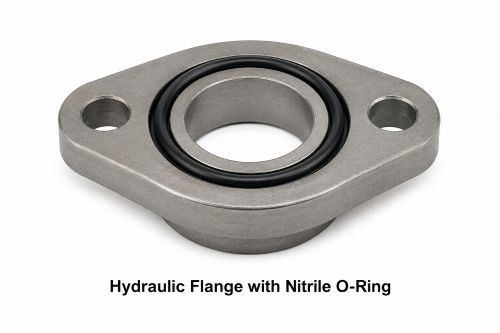
Nitrile rubber, also known as Buna-N or NBR, is one of the most widely used elastomers in hydraulic sealing applications. It is a synthetic rubber known for its excellent resistance to petroleum-based oils and fuels.
Due to its affordability and balanced performance characteristics, Nitrile is often considered the standard choice for general hydraulic applications.
Advantages of Nitrile Hydraulic Flange O-Rings
Excellent Oil Resistance
Nitrile performs exceptionally well when exposed to hydraulic oils, lubricants, and petroleum-based fluids. This makes it highly suitable for standard hydraulic systems.
Cost-Effective
One of the biggest advantages of Nitrile O-rings is affordability. They provide reliable sealing performance at a relatively low cost, making them ideal for large-scale industrial use.
Good Mechanical Strength
Nitrile O-rings offer strong abrasion resistance and good tensile strength, helping them withstand wear in demanding hydraulic environments.
Reliable for Standard Temperature Applications
Nitrile typically performs well in temperatures ranging from approximately -40°C to 120°C, making it suitable for many common industrial applications.
Limitations of Nitrile O-Rings
Despite its advantages, Nitrile also has some limitations:
➡️ Limited resistance to extreme heat
➡️ Poor resistance to ozone and sunlight
➡️ Not suitable for aggressive chemicals or solvents
➡️ Can harden or crack over time in harsh environments
Best Applications for Nitrile O-Rings
Nitrile hydraulic flange O-rings are commonly used in:
1. Standard industrial hydraulic systems
2. Agricultural equipment
3. machinery
4. Oil-based fluid applications
5. Cost-sensitive projects
Understanding Viton (FKM) O-Rings
What Is Viton?
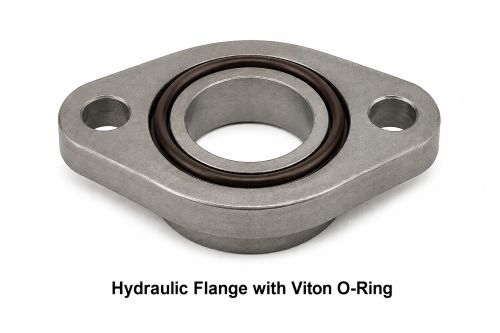
Viton, also known as FKM, is a high-performance fluorocarbon elastomer known for its exceptional heat and chemical resistance. It is widely used in demanding industrial environments where standard rubber materials may fail.
Viton O-rings are considered premium sealing solutions due to their superior durability and long service life.
Advantages of Viton Hydraulic Flange O-Rings
1. Outstanding High-Temperature Resistance
Viton performs exceptionally well in high-temperature environments, often handling temperatures up to 200°C or higher.
2. Superior Chemical Resistance
Viton offers excellent resistance to:
➡️ Synthetic hydraulic fluids
➡️ Fuels and oils
➡️ Chemicals and solvents
➡️ Corrosive substances
This makes it ideal for chemically aggressive environments.
3. Excellent Durability
Viton O-rings resist aging, oxidation, ozone, and weathering much better than Nitrile, leading to a longer operational lifespan.
4. Reduced Maintenance Requirements
Because of their durability, Viton O-rings often require fewer replacements, reducing maintenance downtime and operational costs over time.
Limitations of Viton O-Rings
While Viton offers many benefits, it also has drawbacks:
1. Higher initial cost
2. Less flexibility at very low temperatures
3. Over-specification for basic hydraulic systems
Best Applications for Viton O-Rings
Viton hydraulic flange O-rings are commonly used in:
1. High-temperature hydraulic systems
2. Chemical processing plants
3. Aerospace applications
4. Heavy-duty industrial machinery
5. Automotive performance systems
Nitrile vs. Viton: Key Differences
Nitrile and Viton were compared in different parameters:
Temperature Resistance
Temperature performance is one of the biggest differences between the two materials.
Nitrile
➡️ Typical range: -40°C to 120°C
➡️ Suitable for moderate operating temperatures
Viton
➡️ Typical range: -20°C to 200°C
➡️ Ideal for high-temperature environments
If your hydraulic system operates under extreme heat, Viton is generally the better choice.
Chemical Compatibility
Nitrile
Nitrile performs very well with petroleum-based oils and hydraulic fluids but struggles with strong chemicals and solvents.
Viton
Viton provides broader chemical resistance, making it suitable for aggressive fluids and chemically demanding environments.
For systems exposed to harsh chemicals, Viton offers superior protection.
Durability and Longevity
Viton typically outperforms Nitrile in terms of aging resistance, ozone resistance, and long-term durability.
Nitrile may wear faster in extreme environmental conditions, while Viton maintains its sealing performance for longer periods.
Cost Comparison
Nitrile
➡️ Lower upfront cost
➡️ Economical for standard applications
Viton
➡️ Higher initial investment
➡️ Lower long-term replacement frequency
For budget-sensitive operations, Nitrile may be sufficient. However, Viton can deliver better long-term value in demanding applications.
Performance in Hydraulic Systems
Both materials can perform effectively in hydraulic systems when used correctly. The best option depends on operating conditions, including:
➡️ Temperature
➡️ Pressure
➡️ Hydraulic fluid type
➡️ Environmental exposure
➡️ Maintenance requirements
Choosing the wrong material can result in leaks, equipment downtime, and premature seal failure.
Factors to Consider When Choosing Between Nitrile and Viton
Here are the factors to consider when choosing between Nitrile and Viton:
1. Operating Temperature
Always evaluate the maximum and minimum operating temperatures of your hydraulic system before selecting an O-ring material.
2. Fluid Compatibility
Check compatibility between the O-ring material and the hydraulic fluid being used.
3. Environmental Conditions
Consider exposure to:
➡️ UV light
➡️ Ozone
➡️ Chemicals
➡️ Outdoor weather conditions
4. Budget
Determine whether lower upfront costs or long-term durability is more important for your operation.
5. Maintenance Expectations
If reducing downtime is critical, investing in Viton may provide long-term operational benefits.
Common Mistakes When Selecting Hydraulic Flange O-Rings
Many hydraulic system failures occur due to improper O-ring selection. Common mistakes include:
1. Choosing based solely on price
2. Ignoring chemical compatibility
3. Overlooking temperature requirements
4. Using incorrect O-ring sizes
5. Failing to inspect seals regularly
Avoiding these mistakes can improve hydraulic system efficiency and extend equipment life.
Tips for Extending O-Ring Service Life
To maximize the lifespan of hydraulic flange O-rings:
1. Use proper installation techniques
2. Avoid over-tightening flange connections
3. Inspect seals regularly for wear
4. Store O-rings away from sunlight and ozone exposure
5. Replace damaged seals promptly
Routine maintenance can significantly reduce hydraulic system failures.
Conclusion
Both Nitrile and Viton hydraulic flange O-rings offer valuable sealing performance, but each material is suited for different operating conditions.
Nitrile O-rings are affordable, reliable, and ideal for standard hydraulic applications involving petroleum-based fluids and moderate temperatures. They are an excellent choice for general industrial use where cost efficiency is important.
Viton O-rings, on the other hand, provide superior heat resistance, chemical compatibility, and long-term durability. Although they come at a higher cost, they are the preferred option for demanding hydraulic environments and high-performance systems.
Ultimately, selecting the right hydraulic flange O-ring depends on your specific application requirements, operating environment, and maintenance goals.
Frequently Asked Questions
Which is better for hydraulic systems: Nitrile or Viton?
Neither material is universally better. Nitrile is ideal for standard hydraulic systems, while Viton is better suited for high-temperature and chemically aggressive environments.
Are Viton O-rings worth the extra cost?
Yes, in demanding applications where heat, chemicals, or long service life are major factors, Viton O-rings can provide better long-term value.
Can Nitrile O-rings handle high temperatures?
Nitrile performs well at moderate temperatures but is not recommended for extreme heat applications.
Which material lasts longer?
Viton generally lasts longer due to its superior resistance to heat, chemicals, and environmental aging.
How do I choose the right O-ring material?
Consider operating temperature, hydraulic fluid compatibility, environmental conditions, pressure requirements, and maintenance expectations before making a selection.
Post time: May-26-2026