

Hydraulic systems are essential to industries such as construction, manufacturing, agriculture, and mining, where they provide the power needed for heavy-duty operations. In these high-pressure environments, reliable connections are critical, as leaks or connection failures can lead to downtime, reduced efficiency, and safety risks.
Hydraulic flange components are widely used to create secure, leak-free connections that can withstand extreme pressure and vibration. Their durability and performance make them a preferred choice for many demanding hydraulic applications.
In this guide, we’ll explore what hydraulic flange components are, how they work, their key benefits, common applications, and the factors to consider when selecting the right solution for your hydraulic system.
Main Hydraulic Flange Components
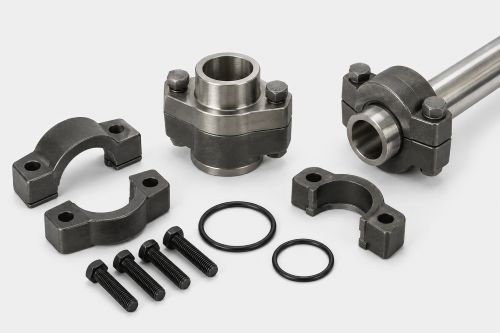
A hydraulic flange assembly typically consists of several key components working together to maintain connection integrity.
Flange Head
The flange head is the primary connection interface attached to a hydraulic component or tube. It provides the mounting surface where the seal is formed and serves as the foundation of the flange assembly.
Flange heads are manufactured in various sizes and pressure ratings to accommodate different hydraulic system requirements.
Split Flange Clamps
Split flange clamps are two-piece components that fit around the flange head and secure it in place. These clamps simplify installation and maintenance by allowing technicians to assemble or disassemble connections without extensive system modifications.
Their design also helps distribute clamping force evenly across the connection.
O-Ring Seal
The O-ring is one of the most critical components in a hydraulic flange system. Positioned between the mating surfaces, it creates a fluid-tight seal when compressed.
A properly selected and installed O-ring prevents hydraulic fluid leakage, protects against contamination, and helps maintain system efficiency.
Mounting Bolts and Fasteners
Bolts and fasteners provide the clamping force required to compress the O-ring and secure the flange connection.
Proper bolt selection and torque application are essential for maintaining connection integrity and ensuring long-term performance.
Hydraulic Tubes and Hoses
Hydraulic tubes and hoses transport fluid throughout the system and connect directly to flange assemblies. These components must be compatible with the flange design, operating pressure, and fluid type to ensure reliable performance.
How Hydraulic Flange Components Work
Hydraulic flange systems operate through a compression sealing mechanism.
When bolts are tightened, the split flange clamps apply force to the flange head, compressing the O-ring between the mating surfaces. This compression creates a reliable seal capable of containing high-pressure hydraulic fluid.
The flange design also distributes loads evenly across the connection surface, reducing stress concentrations that could otherwise lead to leaks or mechanical failures.
Why Hydraulic Flanges Are Preferred in High-Pressure Systems
Hydraulic flanges are widely used because they perform exceptionally well in challenging operating conditions.
Key advantages include:
➡️ Excellent resistance to vibration
➡️ High tolerance for pressure spikes and surges
➡️ Reduced risk of leakage
➡️ Improved structural stability
➡️ Greater reliability in heavy-duty applications
These characteristics make flange systems particularly valuable in industries where equipment operates under constant stress and demanding conditions.
Common Types of Hydraulic Flange Components
SAE Code 61 Flanges
SAE Code 61 flanges are commonly used in medium- to high-pressure hydraulic systems.
They offer reliable performance across a wide range of industrial applications and are often found in construction equipment, manufacturing machinery, and agricultural systems.
Typical Applications
1. Hydraulic power units
2. Material handling equipment
3. Industrial machinery
4. Agricultural equipment
SAE Code 62 Flanges
SAE Code 62 flanges are designed for higher-pressure applications and heavy-duty service environments.
Their reinforced construction enables them to handle greater operating pressures while maintaining connection integrity.
Common Uses
1. Mining equipment
2. Offshore machinery
3. Heavy construction equipment
4. High-pressure hydraulic systems
Split Flange Assemblies
Split flange assemblies feature two-piece clamp designs that simplify installation and maintenance.
They are especially useful in applications where space limitations or service accessibility are concerns.
Square Flange Connections
Square flange designs are commonly used in industrial hydraulic systems where standardized mounting configurations are required.
These flanges provide dependable sealing and structural stability.
Custom Hydraulic Flange Solutions
Some applications require specialized flange designs tailored to unique operating conditions.
Custom hydraulic flange solutions may incorporate:
1. Specialized materials
2. Unique dimensions
3. Enhanced corrosion resistance
4. Custom pressure ratings
5. Industry-specific compliance requirements
Factors to Consider When Selecting Hydraulic Flange Components
Choosing the right hydraulic flange components requires careful evaluation of system requirements.
Operating Pressure Requirements
Always ensure that flange pressure ratings meet or exceed system operating pressures.
Using undersized or improperly rated components can lead to premature failure and safety risks.
Fluid Compatibility
Different hydraulic systems use different fluid types.
Consider compatibility with:
1. Hydraulic oils
2. Synthetic fluids
3. Biodegradable fluids
4. Specialized industrial fluids
Seal materials must also be compatible with the selected fluid.
Material Selection
Carbon Steel
Carbon steel offers excellent strength and cost-effectiveness.
Advantages:
➡️ High durability
➡️ Affordable pricing
➡️ Wide availability
Limitations:
➡️ Susceptible to corrosion without protective coatings
Stainless Steel
Stainless steel provides superior corrosion resistance.
Benefits include:
➡️ Excellent durability in harsh environments
➡️ Resistance to moisture and chemicals
➡️ Reduced maintenance requirements
Specialty Alloys
Extreme operating conditions may require specialty alloys that offer enhanced resistance to corrosion, heat, or chemical exposure.
Flange Size and Dimensions
Proper sizing is critical for maintaining efficient fluid flow.
Oversized or undersized components can create flow restrictions, pressure losses, and reduced system performance.
Environmental Conditions
Consider operating conditions such as:
1. Temperature extremes
2. Corrosive environments
3. Outdoor exposure
4. Moisture levels
5. Chemical contact
Environmental factors significantly influence material and seal selection.
Industry Standards and Certifications
Ensure components comply with relevant standards and regulations, including:
➡️ SAE standards
➡️ ISO requirements
➡️ Industry-specific certifications
Compliance helps ensure safety, reliability, and compatibility.
Hydraulic Flange Components vs Traditional Hydraulic Fittings
Pressure Handling
Hydraulic flanges generally offer superior performance in high-pressure applications compared to many threaded fitting systems.
Leak Resistance
The O-ring sealing mechanism provides excellent leak prevention and consistent sealing performance.
Installation Complexity
While installation procedures vary, hydraulic flanges often simplify maintenance and servicing compared to certain threaded alternatives.
Maintenance Requirements
Flange systems typically allow easier inspection and replacement of seals and components.
Long-Term Reliability
In demanding environments, hydraulic flanges frequently provide greater durability and longer service life.
When to Choose Hydraulic Flanges
Hydraulic flanges are often the best choice for:
1. High-pressure applications
2. Heavy equipment
3. Vibration-prone systems
4. Critical hydraulic infrastructure
When Other Fittings May Be Suitable
Alternative fittings may be appropriate for:
1. Low-pressure systems
2. Compact installations
3. Lightweight hydraulic applications
Best Practices for Installing Hydraulic Flange Components
Inspect Components Before Installation
Check all components for:
➡️ Physical damage
➡️ Surface defects
➡️ Corrosion
➡️ Manufacturing irregularities
Ensure Proper O-Ring Placement
Incorrect O-ring installation is a common cause of leakage.
Always verify:
➡️ Correct seal size
➡️ Proper positioning
➡️ Absence of twists or damage
Follow Recommended Torque Specifications
Proper bolt tightening is essential.
Using the correct torque ensures:
➡️ Uniform load distribution
➡️ Reliable sealing
➡️ Prevention of over-tightening damage
Maintain Clean Connection Surfaces
Contamination can compromise sealing performance.
Keep mating surfaces clean and free from:
➡️ Dirt
➡️ Debris
➡️ Oil residue
➡️ Corrosion
Perform Post-Installation Testing
After installation:
1. Conduct pressure testing
2. Check for leaks
3. Verify system performance
Testing helps identify issues before full operation begins.
Maintenance Tips for Hydraulic Flange Components
Routine Visual Inspections
Regular inspections should look for:
➡️ Fluid leakage
➡️ Corrosion
➡️ Bolt loosening
➡️ Physical damage
Monitoring for Leaks
Early leak detection prevents larger failures and reduces maintenance costs.
Inspect connections frequently, especially in high-pressure systems.
Bolt Torque Verification
Periodic torque checks help maintain proper clamping force and connection integrity.
O-Ring Replacement Guidelines
Replace O-rings when signs of wear appear, including:
➡️ Cracking
➡️ Hardening
➡️ Deformation
➡️ Chemical degradation
Corrosion Prevention Measures
Protective strategies may include:
1. Surface coatings
2. Corrosion-resistant materials
3. Regular cleaning
4. Environmental protection measures
Common Problems and Troubleshooting
Hydraulic Fluid Leaks
Causes
➡️ Damaged O-rings
➡️ Improper installation
➡️ Loose fasteners
➡️ Surface damage
Solutions
➡️ Replace seals
➡️ Retorque bolts
➡️ Repair damaged surfaces
➡️ Verify component compatibility
Loose Flange Connections
Causes
1. Improper torque application
2. Vibration
3. Fastener wear
Solutions
1. Retighten according to specifications
2. Replace worn hardware
3. Implement regular inspections
Damaged O-Rings
Causes
1. Chemical incompatibility
2. Excessive temperature
3. Improper installation
Solutions
1. Use compatible materials
2. Follow installation guidelines
3. Replace damaged seals promptly
Corrosion Issues
Causes
1. Environmental exposure
2. Inadequate protection
3. Material incompatibility
Solutions
1. Upgrade materials
2. Apply protective coatings
3. Improve maintenance practices
Premature Component Wear
Causes
1. Excessive pressure
2. Misalignment
3. Contamination
Solutions
1. Correct operating conditions
2. Improve alignment
3. Enhance filtration and cleanliness
Conclusion
Hydraulic flange components play a vital role in maintaining reliable, leak-free hydraulic systems across a wide range of industries. Their ability to handle high pressures, resist vibration, enhance safety, and simplify maintenance makes them a preferred connection solution for demanding applications.
Whether used in construction equipment, mining machinery, agricultural systems, manufacturing facilities, or offshore operations, properly selected and maintained hydraulic flange components contribute significantly to system efficiency, reliability, and longevity.
By understanding the various flange types, selecting components based on application requirements, and following proper installation and maintenance practices, organizations can maximize hydraulic system performance while reducing downtime and operational costs.
Frequently Asked Questions (FAQs)
What are hydraulic flange components used for?
Hydraulic flange components are used to create secure, leak-resistant connections between hydraulic system components such as hoses, tubes, pumps, valves, and cylinders, especially in high-pressure applications.
What is the difference between SAE Code 61 and Code 62 flanges?
SAE Code 61 flanges are typically used in medium- to high-pressure applications, while SAE Code 62 flanges are designed for higher-pressure, heavy-duty hydraulic systems.
How do hydraulic flange components prevent leaks?
Hydraulic flange systems use O-ring seals that are compressed between mating surfaces, creating a tight seal that prevents hydraulic fluid from escaping.
Which industries commonly use hydraulic flange components?
Industries that commonly use hydraulic flange components include construction, mining, agriculture, manufacturing, marine, offshore, oil and gas, and material handling.
How often should hydraulic flange components be inspected?
Inspection frequency depends on operating conditions, but regular visual inspections should be conducted as part of routine maintenance programs to identify leaks, corrosion, wear, or loose connections.
What factors should be considered when selecting hydraulic flange components?
Key considerations include operating pressure, fluid compatibility, material selection, flange size, environmental conditions, and compliance with relevant industry standards and certifications.
Post time: Jun-03-2026