

Mining operations rely heavily on hydraulic systems to power some of the most demanding machinery in the world. From excavators and drills to loaders and haul trucks, these systems must perform reliably under extreme pressure and harsh environmental conditions. At the heart of these systems are hydraulic fittings for mining equipment, small but critical components that ensure fluid flows safely and efficiently.
Choosing the right hydraulic fittings is not just a technical decision, it directly impacts equipment performance, worker safety, and operational costs. In this guide, we’ll walk through everything you need to know to select the best hydraulic fittings for mining equipment.
What Are Hydraulic Fittings for Mining Equipment?
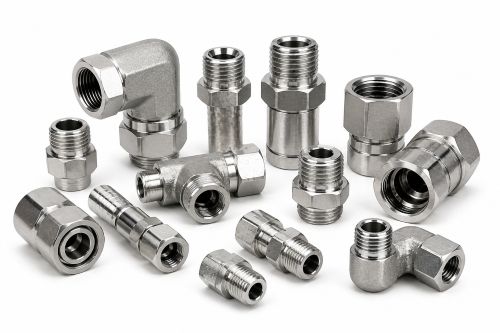
Hydraulic fittings are connectors used to join hoses, pipes, and tubes within a hydraulic system. They help direct hydraulic fluid between components while maintaining pressure and preventing leaks.
In mining environments, hydraulic fittings must go beyond standard performance. They are exposed to abrasive dust, moisture, chemicals, and constant vibration. This means hydraulic fittings for mining equipment are specifically designed to withstand these extreme conditions while maintaining reliability.
Why Choosing the Right Hydraulic Fittings for Mining Equipment Matters
Selecting the correct fittings is essential for several reasons:
1. Leak Prevention: Poor-quality or mismatched fittings can cause fluid leaks, leading to inefficiency and environmental hazards.
2. Safety: High-pressure hydraulic systems can be dangerous. Proper fittings reduce the risk of sudden failures or accidents.
3. Reduced Downtime: Equipment breakdowns caused by fitting failures can halt operations and result in costly delays.
4. System Efficiency: Well-matched fittings ensure smooth fluid flow and optimal system performance.
5. Cost Savings: Investing in high-quality hydraulic fittings for mining equipment lowers long-term maintenance and replacement costs.
Key Factors to Consider When Choosing Hydraulic Fittings for Mining Equipment
1. Pressure Rating and Performance
Every hydraulic system functions within a particular pressure range, which is commonly expressed as PSI. It’s crucial to choose fittings that can handle the system’s maximum pressure.
➡️ Underrated fittings may fail under pressure
➡️ Overrated fittings may be unnecessarily expensive
➡️ Always match or exceed system requirements for safety
2. Material Selection
Performance and durability are significantly influenced by the material. Common options include:
➡️ Steel: Strong and cost-effective for high-pressure applications
➡️ Stainless Steel: Excellent corrosion resistance for wet or chemical-heavy environments
➡️ Brass: Suitable for lower-pressure applications but less common in mining
For harsh mining conditions, corrosion and wear resistance are essential.
3. Compatibility with Hydraulic Systems
Not all fittings are interchangeable. Compatibility is critical:
➡️ Match thread types (e.g., NPT, BSP)
➡️ Ensure correct sizing
➡️ Confirm compatibility with hoses and pipes
Leaks and system failures might result from using incompatible components.
4. Environmental Conditions
Mining environments are among the toughest:
➡️ Exposure to dirt, dust, and debris
➡️ Extreme temperatures
➡️ Constant vibration and mechanical stress
➡️ Contact with water and chemicals
Choose hydraulic fittings for mining equipment that are specifically designed for these challenges.
5. Standards and Certifications
Industry standards ensure quality and safety. Look for fittings that comply with:
➡️ ISO (International Organization for Standardization)
➡️ SAE (Society of Automotive Engineers)
Certified fittings provide peace of mind and consistent performance.
Types of Hydraulic Fittings for Mining Equipment
Understanding different fitting types helps you choose the right one:
1. Threaded Fittings (NPT, BSP): Common and versatile
2. Flared Fittings (JIC, SAE): Provide strong, leak-resistant seals
3. Compression Fittings: Ideal for certain low- to medium-pressure systems
4. Quick-Connect Couplings: Allow fast connection and disconnection
5. O-Ring Face Seal (ORFS) Fittings: Excellent for preventing leaks in high-pressure systems
Each type serves specific applications depending on pressure, environment, and system design.
Common Mistakes to Avoid
When selecting hydraulic fittings for mining equipment, avoid these pitfalls:
1. Choosing based on price instead of quality
2. Ignoring compatibility requirements
3. Overlooking environmental conditions
4. Improper installation
5. Not following manufacturer guidelines
These mistakes can lead to premature failure and costly repairs.
Installation Best Practices
Just as crucial as choosing the appropriate fitting is proper installation:
1. Use correct torque specifications
2. Avoid over-tightening or under-tightening
3. Keep connections clean to prevent contamination
4. Use proper tools and trained personnel
A well-installed fitting ensures long-term reliability.
Maintenance Tips for Hydraulic Fittings for Mining Equipment
Routine maintenance extends the life of your hydraulic system:
1. Conduct regular visual inspections
2. Check for leaks, cracks, or corrosion
3. Replace worn or damaged fittings promptly
4. Keep fittings clean and protected from debris
Preventive maintenance reduces unexpected downtime.
How to Choose a Reliable Supplier
A reliable supplier can have a big impact:
1. Offers certified, high-quality products
2. Provides technical support and expertise
3. Maintains consistent inventory
4. Delivers strong after-sales service
Working with the right supplier ensures you always have access to dependable hydraulic fittings for mining equipment.
Conclusion
Choosing the best hydraulic fittings for mining equipment is a critical decision that affects safety, efficiency, and long-term costs. By considering factors such as pressure rating, material, compatibility, and environmental conditions, you can ensure optimal performance in even the harshest mining environments.
Investing in high-quality fittings, following proper installation practices, and maintaining them regularly will keep your equipment running smoothly and minimize costly downtime.
If you’re looking to improve your mining operations, start by evaluating your hydraulic fittings, because even the smallest components can make the biggest difference.
Post time: May-04-2026