

Hydraulic systems are the backbone of modern marine operations. From steering systems and winches to offshore drilling platforms, these systems depend on precision and reliability. At the heart of these systems are hydraulic fittings for marine applications, which ensure secure, leak-free connections under extreme conditions.
Choosing the right hydraulic fittings is critical. The wrong selection can lead to corrosion, leaks, system failure, and expensive downtime. In this comprehensive guide, you’ll learn how to choose the best hydraulic fittings for marine applications, including materials, performance factors, installation tips, and importantly, the different types of fittings available.
Understanding Hydraulic Fittings for Marine Applications
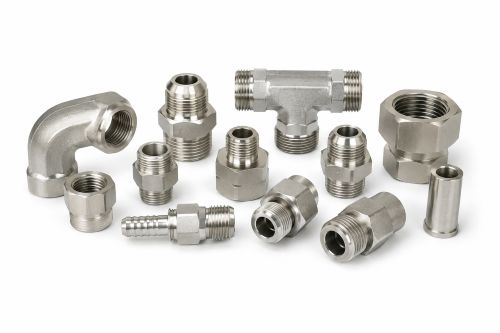
Hydraulic fittings are components used to connect hoses, pipes, and tubes within a hydraulic system. Their main function is to maintain a consistent flow of hydraulic fluid while preventing leaks and withstanding pressure.
In marine environments, these fittings must endure:
1. Saltwater exposure
2. Constant vibration
3. Pressure fluctuations
4. Extreme weather conditions
Because of this, hydraulic fittings for marine applications are specifically engineered for durability, corrosion resistance, and long-term reliability.
Types of Hydraulic Fittings for Marine Applications
Understanding the different types of hydraulic fittings is essential for making the right choice. Each type serves a specific purpose depending on pressure, application, and environmental conditions.
1. Threaded Fittings
Threaded fittings are among the most commonly used in hydraulic systems.
➡️ NPT (National Pipe Thread): Tapered threads that create a seal when tightened
➡️ BSP (British Standard Pipe): Available in parallel and tapered versions
➡️ JIC (Joint Industry Council): Features a 37-degree flare for strong sealing
Best for: General marine applications where secure threaded connections are needed
Consideration: Requires proper sealing to prevent leaks
2. Flared Fittings
Flared fittings use a flared tube end to create a tight seal.
➡️ Commonly includes JIC 37° flare fittings
➡️ Provides strong resistance to vibration
Best for: High-pressure systems and vibration-prone environments
Advantage: Reliable, reusable, and easy to assemble
3. O-Ring Face Seal (ORFS) Fittings
ORFS fittings use an O-ring to create a leak-proof seal between flat surfaces.
➡️ Excellent for preventing fluid leakage
➡️ Performs well under high pressure
Best for: Critical marine systems where leaks are unacceptable
Advantage: Superior sealing in harsh environments
4. Flanged Fittings
Flanged fittings use a flange connection secured with bolts.
➡️ Designed for large-diameter pipes
➡️ Handles very high pressure
Best for: Heavy-duty marine and offshore applications
Advantage: Strong, durable, and easy to maintain
5. Quick-Connect Couplings
Quick-connect fittings allow fast and easy connection/disconnection.
➡️ No tools required
➡️ Minimizes fluid loss during disconnection
Best for: Systems requiring frequent maintenance or equipment changes
Advantage: Saves time and improves operational efficiency
6. Compression Fittings
Compression fittings use a ferrule to create a tight seal.
➡️ Easy to install
➡️ Suitable for low to medium pressure
Best for: Secondary or lower-pressure marine systems
Consideration: Not ideal for extreme pressure environments
7. Push-to-Connect Fittings
These fittings allow tubing to be pushed into place without tools.
➡️ Fast installation
➡️ Common in pneumatic systems but sometimes used in hydraulics
Best for: Light-duty or auxiliary marine applications
Consideration: Limited use in high-pressure marine hydraulics
Unique Challenges in Marine Environments
Marine conditions are harsh and demanding. Hydraulic fittings must withstand:
1. Corrosion from saltwater
2. High humidity levels
3. Temperature variations
4. Constant vibration and movement
5. Contamination from water and debris
These challenges make it essential to choose fittings specifically designed for marine use.
Key Factors to Consider When Choosing Hydraulic Fittings for Marine Applications
Material Selection
➡️ Stainless steel is the top choice for corrosion resistance
➡️ Brass offers moderate resistance but lower strength
➡️ Carbon steel requires protective coatings
Pressure and Temperature Ratings
➡️ Always match fittings to system requirements
➡️ Include safety margins for extreme conditions
Size and Thread Compatibility
➡️ Ensure correct sizing and matching thread standards
➡️ Avoid mixing incompatible fittings
Sealing Methods
➡️ ORFS provides the best leak prevention
➡️ Tapered threads require sealants
➡️ Flat-face seals are ideal for high pressure
Industry Standards
➡️ Look for ISO and SAE certifications
➡️ Ensure compliance with marine regulations
System Compatibility
➡️ Match fittings with hoses and equipment
➡️ Maintain consistency across the system
Corrosion Resistance: A Critical Priority
Corrosion is one of the leading causes of failure in hydraulic fittings for marine applications.
Prevention strategies include:
1. Using marine-grade stainless steel
2. Applying anti-corrosion coatings
3. Performing regular cleaning and inspections
Proper corrosion control significantly extends the lifespan of fittings.
Installation Best Practices
Correct installation ensures optimal performance:
1. Use proper torque settings
2. Avoid over-tightening
3. Keep components clean
4. Use correct sealants when required
Even high-quality fittings can fail if installed incorrectly.
Maintenance and Inspection Tips
Routine maintenance helps prevent system failure:
1. Inspect fittings regularly for wear and corrosion
2. Replace damaged components promptly
3. Clean off salt and debris
4. Monitor system performance
Preventive maintenance reduces downtime and repair costs.
Common Mistakes to Avoid
Avoiding these mistakes ensures a more reliable system.
1. Selecting the wrong type of fitting
2. Ignoring environmental conditions
3. Mixing incompatible thread types
4. Using low-quality fittings
5. Skipping maintenance
Cost vs Quality: Making the Right Investment
While cheaper fittings may save money upfront, they often lead to higher long-term costs.
High-quality hydraulic fittings for marine applications provide:
1. Greater durability
2. Better corrosion resistance
3. Improved safety
4. Lower maintenance costs
Investing in quality pays off over time.
Conclusion
Choosing the best hydraulic fittings for marine applications involves more than just picking a connector, it requires understanding types, materials, environmental challenges, and system requirements.
By selecting the right types of fittings, ensuring proper installation, and maintaining them regularly, you can significantly improve system performance, safety, and longevity.
If you’re planning a new project or upgrading an existing system, take the time to evaluate your needs carefully and invest in high-quality hydraulic fittings designed specifically for marine environments.
Post time: May-06-2026