

Hydraulic presses are powerful machines used across industries, from manufacturing and automotive repair to metal forming and recycling. While much attention is often given to major components like cylinders and pumps, one critical element is frequently overlooked: hydraulic fittings.
If you’re new to hydraulic systems, understanding fittings is essential. The right fittings ensure safety, prevent leaks, and keep your press operating efficiently. Everything you need to know is explained in this tutorial in an understandable and useful manner.
What Are Hydraulic Fittings in Hydraulic Presses?
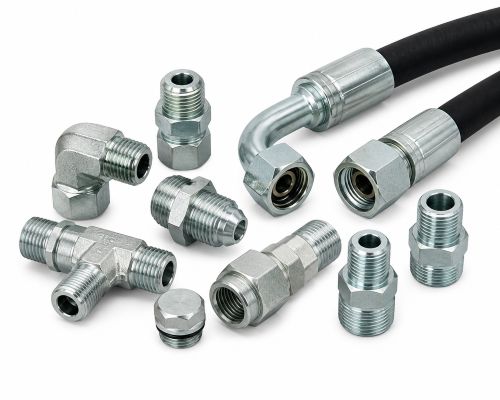
Hydraulic fittings are connectors used to join hoses, pipes, and tubes within a hydraulic system. Their primary role is to create secure, leak-free connections that can withstand high pressure.
In a hydraulic press, fittings:
1. Connect different components (pump, valves, cylinder)
2. Maintain system pressure
3. Prevent fluid leakage
4. Enable smooth fluid flow
Without proper fittings, even the most advanced hydraulic press will fail to operate safely or efficiently.
How Hydraulic Press Systems Work (Beginner Overview)
To understand fittings, it helps to see the bigger picture.
A hydraulic press works based on Pascal’s Law, where pressure applied to a confined fluid is transmitted equally in all directions.
Key components include:
1. Hydraulic pump – moves the fluid
2. Hydraulic fluid – transmits force
3. Cylinder – produces mechanical force from fluid pressure
4. Valves – control flow and pressure
5. Fittings and hoses – connect everything together
Fittings act as the linking network that ensures fluid flows seamlessly between these components.
Types of Hydraulic Fittings Used in Hydraulic Presses
There are several types of hydraulic fittings, each designed for specific applications.
1. Threaded Hydraulic Fittings
In hydraulic systems, threaded fittings are the most common form. They create a connection by screwing two components together using matching threads.
Common thread standards:
➡️ NPT (National Pipe Thread) – Tapered threads commonly used in North America
➡️ BSP (British Standard Pipe) – Widely used in Europe and many global systems
➡️ Metric threads – Standard in modern industrial equipment and machinery
How they work:
Threaded fittings rely on the tight engagement of male and female threads. In many cases, a sealant tape or liquid thread sealant is applied to ensure a leak-free connection.
Advantages:
➡️ Easy to install and replace
➡️ Widely available in many sizes and standards
➡️ Suitable for general hydraulic press applications
Limitations:
➡️ Can leak if not properly sealed or aligned
➡️ Over-tightening may damage threads
➡️ Not ideal for extreme vibration or very high-pressure cycles without proper sealing design
Best used in:
➡️ General-purpose hydraulic press systems
➡️ Medium-pressure applications
➡️ Maintenance-friendly setups
2. Flanged Hydraulic Fittings
Flanged fittings are designed for heavy-duty, high-pressure hydraulic systems where strength and reliability are critical.
How they work:
Instead of threads, flanged fittings use two flat surfaces bolted together with a gasket or O-ring seal in between. This creates a strong, rigid connection capable of handling intense pressure.
Advantages:
➡️ Extremely strong and leak-resistant
➡️ Excellent for high-pressure hydraulic presses
➡️ Resistant to vibration and mechanical stress
➡️ Long service life under demanding conditions
Limitations:
➡️ Bulkier than other fitting types
➡️ More expensive to install and maintain
➡️ Requires precise alignment during installation
Best used in:
➡️ Industrial hydraulic presses
➡️ Heavy manufacturing equipment
➡️ High-force or continuous-duty hydraulic systems
3. Quick-Connect Hydraulic Fittings
Quick-connect fittings (also called quick-release couplings) are designed for speed and convenience. They allow operators to connect or disconnect hydraulic lines without tools.
How they work:
These fittings use an internal locking mechanism that automatically seals when connected. A sleeve or collar is typically used to release the connection.
Advantages:
➡️ Fast connection and disconnection
➡️ Reduces downtime during maintenance
➡️ Minimizes fluid loss during changes
➡️ User-friendly and efficient
Limitations:
➡️ Generally not suitable for the highest pressure applications
➡️ More expensive than basic threaded fittings
➡️ Internal seals may wear out faster under heavy use
Best used in:
➡️ Systems requiring frequent tool or line changes
➡️ Mobile hydraulic equipment
➡️ Maintenance and testing setups
4. Compression Hydraulic Fittings
Compression fittings create a seal by compressing a ferrule (metal ring) onto a tube when tightened.
How they work:
When the fitting nut is tightened, the ferrule compresses around the tubing, forming a tight mechanical seal without welding or threading into the pipe itself.
Advantages:
➡️ Simple installation process
➡️ No welding required
➡️ Good sealing performance for low to medium pressure
➡️ Sometimes it can be disassembled and reused
Limitations:
➡️ Not ideal for very high-pressure hydraulic press systems
➡️ Requires precise assembly to avoid leaks
➡️ Ferrules may deform and need replacement
Best used in:
➡️ Low to medium-pressure hydraulic circuits
➡️ Auxiliary lines in hydraulic presses
➡️ Non-critical fluid transfer systems
5. O-Ring Face Seal (ORFS) Fittings
ORFS fittings are designed for maximum leak prevention in high-pressure systems.
How they work:
These fittings use a flat sealing surface combined with an O-ring that creates a tight, leak-proof seal when the connection is tightened.
Advantages:
➡️ Excellent leak resistance
➡️ High-pressure capability
➡️ Resistant to vibration and pressure spikes
➡️ Reliable sealing performance over time
Limitations:
➡️ Slightly more expensive than standard fittings
➡️ O-rings may need periodic replacement
➡️ Requires clean installation surfaces
Best used in:
➡️ High-performance hydraulic presses
➡️ Systems where leaks cannot be tolerated
➡️ Precision industrial applications
6. JIC (Joint Industry Council) Fittings
JIC fittings are widely used in industrial hydraulic systems and are known for their 37-degree flare design.
How they work:
The metal-to-metal seal is created when the flared tube end is tightened against a matching fitting surface.
Advantages:
➡️ Strong, reusable connection
➡️ Good resistance to vibration
➡️ Easy to assemble and disassemble
➡️ Widely standardized
Limitations:
➡️ Requires precise tube flaring
➡️ Can leak if surfaces are damaged or improperly aligned
Best used in:
➡️ Industrial hydraulic presses
➡️ Mobile and stationary hydraulic systems
➡️ Medium to high-pressure applications
Hydraulic Fitting Materials Explained
The material of a fitting directly affects its performance and lifespan.
Steel
1. Strong and durable
2. Ideal for high-pressure applications
Stainless Steel
1. Corrosion-resistant
2. Best for harsh or outdoor environments
Brass
1. Good corrosion resistance
2. Suitable for low to medium pressure
Plastic/Composite
1. Lightweight and inexpensive
2. Used in light-duty applications
Tip: For hydraulic presses, steel or stainless steel is usually the safest choice.
Hydraulic Fitting Standards You Need to Know
Not all fittings are compatible. Understanding standards is critical.
Common Standards:
1. NPT – tapered threads, require sealing
2. BSP – parallel or tapered threads
3. JIC (Joint Industry Council) – flare fittings
4. ORFS (O-Ring Face Seal) – excellent leak prevention
Why This Matters:
Mixing incompatible standards can lead to:
1. Leaks
2. Equipment damage
3. Safety risks
Always verify thread type and sealing method before connecting fittings.
How to Choose the Right Hydraulic Fittings for Your Press
Selecting the right fitting isn’t guesswork, it depends on several key factors.
1. Pressure Rating
Ensure the fitting can handle your system’s maximum pressure.
2. Temperature
High temperatures can weaken materials and seals.
3. Fluid Compatibility
Some fluids can corrode certain materials.
4. Size and Thread Type
Incorrect sizing leads to leaks or system failure.
5. Application Requirements
Heavy-duty presses need stronger, more durable fittings.
Rule of thumb: When in doubt, choose fittings rated above your system requirements.
How to Install Hydraulic Fittings Correctly (Step-by-Step)
Proper installation is crucial for performance and safety.
Tools Needed:
1. Wrenches
2. Thread sealant (if required)
3. Clean cloth
Basic Steps:
1. Inspect components for damage or dirt
2. Clean threads thoroughly
3. Apply sealant (if needed for threaded fittings)
4. Tighten properly (avoid over-tightening)
5. Test for leaks after installation
Common Mistakes:
1. Over-tightening (can damage threads)
2. Misaligned connections
3. Using the wrong fitting type
Common Hydraulic Fitting Problems and How to Fix Them
Even well-installed fittings can develop issues.
1. Leaks
Causes: Loose fittings, worn seals, incompatible threads
Fix: Tighten, replace seals, or use correct fittings
2. Thread Damage
Causes: Over-tightening or cross-threading
Fix: Replace damaged fittings
3. Contamination
Causes: Dirt or debris in the system
Fix: Clean system and use proper filtration
Hydraulic Fitting Maintenance Tips for Long-Term Performance
Regular maintenance prevents costly failures.
1. Inspect fittings for leaks or wear
2. Clean components regularly
3. Replace worn or corroded fittings
4. Keep records of maintenance schedules
Consistent upkeep improves both safety and efficiency.
Hydraulic Fitting Safety Tips for Beginners
Hydraulic systems operate under extreme pressure, so safety is critical.
1. Never work on a press under pressure
2. Use fittings rated for your system
3. Wear protective equipment
4. Replace damaged components immediately
Ignoring safety can lead to serious injury or equipment failure.
FAQ: Hydraulic Fittings for Hydraulic Presses
What size hydraulic fitting do I need?
It depends on your hose size, pressure requirements, and thread type. Always check manufacturer specifications.
Can hydraulic fittings be reused?
Sometimes, but it’s not recommended if there’s any sign of wear or damage.
What causes hydraulic fitting failure?
Common causes include improper installation, over-pressure, and contamination.
How often should fittings be replaced?
There’s no fixed rule, replace them when wear, leaks, or damage appear.
Conclusion: Choosing the Right Hydraulic Fittings for Your Press
Hydraulic fittings may seem like small components, but they play a huge role in the performance and safety of your hydraulic press. By understanding the different types, materials, standards, and installation practices, you can avoid common mistakes and keep your system running smoothly.
For beginners, the key is simple: Choose the right fittings, install them correctly, and maintain them regularly.
Master these basics, and you’ll build a strong foundation for working confidently with hydraulic systems.
Post time: May-05-2026