

Hydraulic systems are the backbone of many CNC machines, enabling precise movement, consistent force, and reliable performance. At the heart of these systems are hydraulic fittings, small components that play a critical role in maintaining efficiency and safety.
Choosing the right hydraulic fittings for CNC machines is not just a technical decision; it directly impacts machine uptime, maintenance costs, and overall productivity. This guide is designed for engineers and procurement professionals who must make sensible, well-informed choices.
Understanding Hydraulic Fittings for CNC Machines
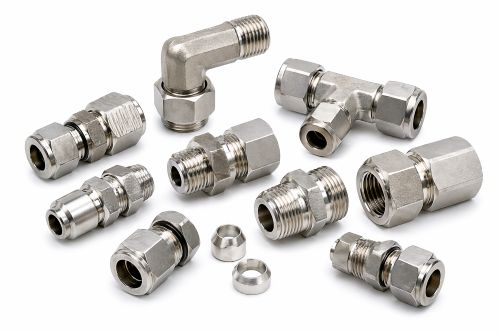
Hydraulic fittings are connectors used to join hoses, pipes, and tubes within a hydraulic system. In CNC machines, they ensure fluid flows efficiently under high pressure without leaks or failures.
Poor-quality or mismatched fittings can lead to:
1. Pressure drops
2. Fluid leaks
3. Machine downtime
4. Safety hazards
Selecting the correct fittings ensures optimal machine precision and long-term reliability.
Types of Hydraulic Fittings
1. Threaded Fittings
Common standards include NPT (National Pipe Thread) and BSP (British Standard Pipe).
➡️ Widely used and cost-effective
➡️ Require proper sealing to prevent leaks
2. Flanged Fittings
➡️ Ideal for high-pressure applications
➡️ Provide strong, leak-resistant connections
➡️ Common in heavy-duty CNC operations
3. Quick-Connect Fittings
➡️ Allow fast assembly and disassembly
➡️ Reduce downtime during maintenance
➡️ Best for systems requiring frequent changes
4. Compression Fittings
➡️ Use compression rings to create seals
➡️ Suitable for precise, low- to medium-pressure applications
Each type serves a specific purpose, and the right choice depends on your CNC machine’s requirements.
Key Factors to Consider When Choosing Hydraulic Fittings for CNC Machines
1. Material Compatibility
Hydraulic fittings are typically made from:
➡️ Steel (durable and cost-effective)
➡️ Stainless steel (corrosion-resistant)
➡️ Brass (good for low-pressure systems)
Always match the material with:
➡️ Hydraulic fluid type
➡️ Environmental conditions (humidity, chemicals)
2. Pressure and Temperature Ratings
Every CNC hydraulic system operates within specific pressure and temperature ranges.
➡️ Choose fittings rated above your system’s maximum pressure
➡️ Ensure compatibility with temperature fluctuations
➡️ Avoid under-rated fittings, which can fail under stress
3. Size and Thread Type
System inefficiency is frequently caused by improper size.
➡️ Ensure exact diameter matching
➡️ Verify thread standards (NPT, BSP, metric)
➡️ Avoid mixing incompatible thread types
Proper sizing prevents leaks and ensures smooth fluid flow.
4. Sealing Method
Different fittings use different sealing mechanisms:
➡️ O-ring seals: Excellent for leak prevention
➡️ Metal-to-metal seals: Durable under high pressure
Choosing the right sealing method reduces maintenance needs and increases system reliability.
5. Environment and Application
CNC machines often operate in demanding environments. Consider:
➡️ Exposure to vibration
➡️ High temperatures
➡️ Contact with coolants or chemicals
For harsh environments, prioritize corrosion-resistant and vibration-tolerant fittings.
Standards and Certifications
When selecting hydraulic fittings for CNC machines, always check for compliance with recognized standards:
1. ISO (International Organization for Standardization)
2. SAE (Society of Automotive Engineers)
3. DIN (German Institute for Standardization)
Certified fittings ensure:
1. Consistent quality
2. Safety compliance
3. Interchangeability across systems
Installation Best Practices
Even the best fittings can fail if installed incorrectly.
1. Use proper torque specifications
2. Avoid over-tightening (can damage threads or seals)
3. Ensure clean, debris-free connections
4. Use appropriate tools and techniques
Proper installation minimizes leaks and extends component lifespan.
Maintenance and Inspection
Routine maintenance is essential for long-term performance.
1. Regular checks should include:
➡️ Inspecting for leaks or cracks
➡️ Checking for corrosion or wear
➡️ Monitoring pressure performance
2. Replace fittings if you notice:
➡️ Deformation
➡️ Persistent leaks
➡️ Reduced system efficiency
Preventive maintenance reduces unexpected downtime.
Cost vs. Quality Considerations
While it may be tempting to choose lower-cost options, cheap fittings often lead to:
1. Frequent replacements
2. Increased downtime
3. Higher long-term costs
Investing in high-quality hydraulic fittings for CNC machines provides:
1. Better durability
2. Improved safety
3. Higher return on investment (ROI)
Expert Tips for Engineers & Procurement Teams
1. Standardize fittings across machines to simplify inventory
2. Work with trusted suppliers and manufacturers
3. Keep detailed documentation of specifications
4. Maintain a stock of critical spare fittings
5. Consult engineers before bulk purchasing decisions
Conclusion
Selecting the best hydraulic fittings for CNC machines requires careful consideration of materials, pressure ratings, compatibility, and environmental factors. For engineers and procurement teams, the right choice ensures reliable performance, reduced downtime, and long-term cost savings.
By following best practices in selection, installation, and maintenance, you can optimize your CNC operations and avoid costly system failures.
Post time: Apr-23-2026