

Hydraulic systems are the backbone of modern aerospace engineering, powering critical functions such as flight control surfaces, landing gear deployment, braking systems, and thrust vectoring. At the center of these systems are hydraulic fittings, small but essential components that ensure secure, leak-free connections between tubes, hoses, and pipes.
In aerospace applications, failure is not an option. Hydraulic fittings must perform reliably under extreme pressure, temperature fluctuations, vibration, and environmental stress. This article explores the main types of hydraulic fittings used in aerospace, their applications, materials, and key selection considerations.
What Are Hydraulic Fittings?
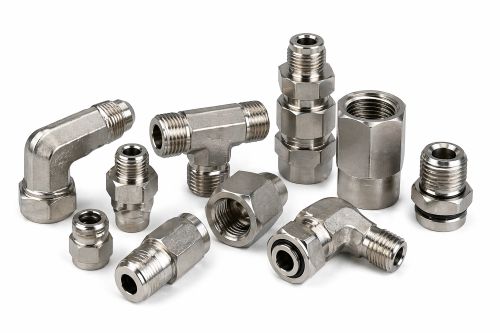
Hydraulic fittings are mechanical components used to connect different parts of a hydraulic system, such as tubes, hoses, and pipes. Maintaining a safe and leak-free hydraulic fluid flow at high pressure is their key responsibility.
In aerospace systems, these fittings must withstand:
1. Extremely high operating pressures
2. Continuous vibration and mechanical stress
3. Wide temperature variations at altitude
4. Strict safety and regulatory requirements
Even minor leakage or failure can compromise system performance, making precision design and material selection critical.
Key Requirements for Aerospace Hydraulic Fittings
High Pressure Resistance
Aircraft hydraulic systems often operate at pressures exceeding thousands of PSI. Fittings must maintain structural integrity without deformation or leakage.
Lightweight Construction
Weight reduction is a constant priority in aerospace design. Lighter fittings contribute to fuel efficiency and improved aircraft performance.
Corrosion Resistance
Exposure to moisture, hydraulic fluids, and atmospheric conditions requires materials that resist corrosion over long service life.
Reliability and Safety
Aerospace fittings must meet zero-leak expectations and perform consistently under dynamic operating conditions.
Compliance with Standards
Fittings must adhere to stringent industry standards such as SAE, AS, and military specifications (MIL-SPEC), ensuring safety and interoperability.
Main Types of Hydraulic Fittings Used in Aerospace
1. Flared Fittings (37° Flare)
Flared fittings use a 37-degree angled surface to create a metal-to-metal seal between the tube and fitting.
Applications:
➡️ Aircraft hydraulic lines
➡️ Fuel systems
➡️ High-pressure fluid transfer
Advantages:
➡️ Strong and reliable seal
➡️ Reusable in many applications
➡️ Well-suited for high-pressure environments
Limitations:
➡️ Requires precise tube preparation
➡️ Installation must be carefully controlled
2. Flareless (Compression) Fittings
Flareless fittings use a ferrule that compresses onto the tubing to create a secure seal without flaring.
Applications:
➡️ High-vibration hydraulic systems
➡️ Aircraft control systems
Advantages:
➡️ Excellent vibration resistance
➡️ Easier installation compared to flared fittings
➡️ Reliable sealing under dynamic loads
Limitations:
➡️ Sensitive to installation errors
➡️ Requires correct torque and assembly procedures
3. O-Ring Face Seal (ORFS) Fittings
ORFS fittings use an elastomer O-ring to create a highly effective leak-proof seal between flat mating surfaces.
Applications:
➡️ High-pressure hydraulic circuits
➡️ Critical aircraft systems requiring zero leakage
Advantages:
➡️ Superior leak prevention
➡️ Excellent performance under high pressure
➡️ Easy assembly and disassembly
Limitations:
➡️ O-rings may require periodic replacement
➡️ Sensitive to damage during installation
4. Pipe Thread Fittings (NPT/NPTF)
These fittings rely on threaded connections to form a seal, often enhanced with sealants.
Applications:
➡️ Secondary or low-pressure systems
➡️ Non-critical fluid lines
Advantages:
➡️ Simple design
➡️ Widely available
Limitations:
➡️ Higher risk of leakage under vibration
➡️ Less common in critical aerospace applications
5. Quick Disconnect Fittings
Quick disconnect fittings allow rapid connection and disconnection of hydraulic lines without tools.
Applications:
➡️ Maintenance and ground servicing
➡️ Modular hydraulic systems
Advantages:
➡️ Fast system servicing
➡️ Reduces aircraft downtime
➡️ Improves maintenance efficiency
Limitations:
➡️ Must be carefully sealed to prevent leaks
➡️ Higher cost compared to standard fittings
6. Swivel Fittings
Swivel fittings allow rotation between connected components, reducing stress on hoses and tubing.
Applications:
➡️ Dynamic hydraulic lines
➡️ Areas with movement or vibration
Advantages:
➡️ Reduces hose twisting and stress
➡️ Extends system lifespan
➡️ Improves installation flexibility
Materials Used in Aerospace Hydraulic Fittings
1. Stainless Steel
➡️ High strength and corrosion resistance
➡️ Common in high-pressure applications
2. Titanium
➡️ Extremely strong yet lightweight
➡️ Ideal for advanced aerospace systems
3. Aluminum Alloys
➡️ Lightweight and cost-effective
➡️ Used in lower-pressure or non-critical systems
Material selection directly impacts system durability, weight, and performance.
Factors to Consider When Selecting Hydraulic Fittings
When choosing hydraulic fittings for aerospace applications, engineers evaluate:
1. Operating pressure and temperature range
2. Compatibility with hydraulic fluids
3. Vibration and fatigue resistance
4. Ease of installation and maintenance
5. Weight constraints
6. Regulatory compliance requirements
Selecting the wrong fitting can lead to system inefficiency or failure, making engineering precision essential.
Common Failure Modes and Prevention
Hydraulic fitting failures in aerospace systems typically result from:
1. Incorrect installation or torque application
2. Material fatigue over time
3. Corrosion due to environmental exposure
4. Seal wear or damage
5. Contamination in hydraulic systems
Prevention strategies include:
1. Strict adherence to installation procedures
2. Regular inspection and maintenance
3. Use of high-quality certified materials
4. Proper system cleanliness and fluid management
Frequently Asked Questions (FAQ)
What type of hydraulic fitting is most commonly used in aerospace?
Flared (37°) fittings are widely used due to their strong sealing capability and reliability in high-pressure systems.
Why are pipe thread fittings less common in aerospace?
They are more prone to leakage under vibration and are generally not suitable for critical high-pressure systems.
Which materials are preferred for aerospace hydraulic fittings?
Stainless steel and titanium are most common due to their strength, corrosion resistance, and durability.
How do engineers choose the right hydraulic fitting?
Selection depends on pressure rating, temperature, vibration levels, fluid compatibility, weight, and regulatory standards.
What causes hydraulic fitting failures in aircraft systems?
Common causes include improper installation, corrosion, seal damage, and material fatigue.
Are quick disconnect fittings safe for aerospace use?
Yes, when properly designed and certified, they are safe and widely used for maintenance and servicing operations.
How often should hydraulic fittings be inspected?
They are typically inspected during scheduled maintenance checks as defined by aircraft manufacturer and regulatory guidelines.
Conclusion
Hydraulic fittings may be small components, but they play a critical role in ensuring the safety, efficiency, and reliability of aerospace hydraulic systems. From flared and ORFS fittings to quick disconnect and swivel designs, each type serves a specific purpose in managing high-pressure fluid systems under extreme conditions.
As aerospace technology continues to advance, innovations in materials, sealing methods, and smart monitoring will further enhance the performance and safety of hydraulic systems. Choosing the right fitting is not just an engineering decision, it is a fundamental part of ensuring flight safety and operational excellence.
Post time: Apr-24-2026