

Hydraulic systems play a critical role in modern industries, powering everything from construction equipment and manufacturing machinery to marine systems and agricultural vehicles. One of the most important elements in any hydraulic system is the fitting that connects tubes and pipes securely. Among the many connection solutions available, hydraulic bite type unions are widely recognized for their durability, leak-proof performance, and ability to handle high-pressure applications.
But what exactly are hydraulic bite type unions, and how do they work? In this blog, we will explore their design, working principle, advantages, applications, and installation process in detail.
What Are Hydraulic Bite Type Unions?
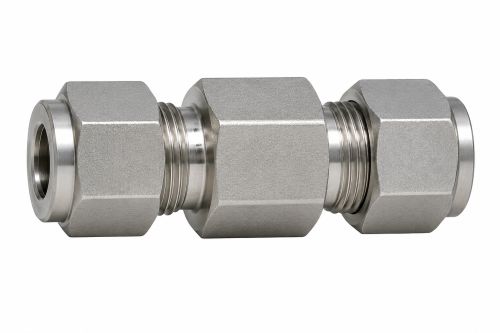
Hydraulic bite type unions are mechanical tube fittings used to connect hydraulic tubes in fluid systems. These fittings create a strong, leak-free connection without requiring welding or soldering. They are commonly used in high-pressure hydraulic applications where reliability and safety are essential.
The term “bite type” comes from the way the ferrule, also known as the bite ring, grips or “bites” into the outer surface of the hydraulic tube during installation. This biting action creates a secure mechanical hold and an effective seal capable of withstanding high pressure and vibration.
Hydraulic bite type unions are available in various configurations such as straight unions, elbow unions, tee unions, and reducer unions, making them suitable for a wide range of hydraulic systems.
Main Components of Hydraulic Bite Type Unions
To understand how these fittings work, it is important to know their main components.
1. Union Body
The union body is the main housing of the fitting. It contains the internal seat where the ferrule and tube are secured. The body also provides the fluid passage through which hydraulic fluid flows.
2. Ferrule or Bite Ring
The ferrule is the key component responsible for gripping the tube. When tightened, the ferrule compresses against the tube surface and creates a strong seal.
Some fittings use a single ferrule system, while others use double ferrules for enhanced sealing and vibration resistance.
3. Nut
The nut applies force to the ferrule during tightening. As the nut is tightened, the ferrule moves forward and bites into the tube.
4. Hydraulic Tube
The tube carries hydraulic fluid throughout the system. The fitting must be compatible with the tube material and size to ensure proper sealing and performance.
How Do Hydraulic Bite Type Unions Work?
Hydraulic bite type unions operate using a simple yet highly effective mechanical principle.
When the hydraulic tube is inserted into the fitting body and the nut is tightened, the ferrule compresses around the outer diameter of the tube. As tightening continues, the ferrule bites into the tube surface. This action creates two essential functions:
➡️ A leak-proof seal
➡️ A strong mechanical grip that prevents tube movement
The result is a reliable connection capable of handling high hydraulic pressure and vibration.
Step-by-Step Working Process
Step 1: Tube Insertion
The hydraulic tube is inserted fully into the fitting body until it reaches the internal stop.
Step 2: Nut Tightening
The nut is tightened using a wrench according to the manufacturer’s torque specifications.
Step 3: Ferrule Compression
As the nut advances, the ferrule compresses between the nut and fitting body.
Step 4: Tube Gripping
The ferrule bites into the tube surface, creating a strong mechanical hold.
Step 5: Seal Formation
The compression action forms a leak-tight seal that prevents hydraulic fluid leakage even under high pressure.
Types of Hydraulic Bite Type Unions
Hydraulic bite type unions come in several designs to suit different hydraulic system layouts.
Straight Union
Straight unions connect two tubes in a straight line and are commonly used in standard hydraulic piping systems.
Elbow Union
Elbow unions are designed for directional changes, usually at 45-degree or 90-degree angles.
Tee Union
Tee unions allow fluid flow to branch into multiple directions.
Bulkhead Union
Bulkhead unions are used when hydraulic tubes must pass through panels or walls securely.
Reducer Union
Reducer unions connect tubes of different sizes within the same hydraulic system.
Materials Used in Hydraulic Bite Type Unions
The material selection depends on the operating environment, pressure requirements, and corrosion exposure.
Stainless Steel
Stainless steel unions offer excellent corrosion resistance and are ideal for marine, chemical, and offshore applications.
Carbon Steel
Carbon steel fittings are widely used in industrial hydraulic systems because of their strength and cost-effectiveness.
Brass
Brass bite type unions are suitable for lower-pressure systems and environments where corrosion resistance is required.
Specialty Alloys
Some applications require advanced materials for extreme temperatures or aggressive chemicals.
Advantages of Hydraulic Bite Type Unions
Hydraulic bite type unions provide several important benefits.
Leak-Free Performance
The biting action of the ferrule creates a secure seal that minimizes leakage risks.
High Pressure Capability
These fittings are designed to withstand demanding hydraulic pressures.
Easy Installation
No welding or special heating equipment is required.
Strong Vibration Resistance
The mechanical grip helps maintain stability in high-vibration environments.
Long Service Life
Properly installed unions can provide years of reliable performance.
Maintenance Convenience
Many bite type fittings can be disassembled and reassembled for maintenance purposes.
Common Applications
Hydraulic bite type unions are widely used across many industries.
Industrial Machinery
Manufacturing equipment relies on secure hydraulic connections for continuous operation.
Construction Equipment
Excavators, loaders, and cranes often use bite type unions in hydraulic circuits.
Oil and Gas Industry
High-pressure hydraulic systems in oil and gas operations depend on reliable fittings.
Marine Applications
Corrosion-resistant stainless steel unions are commonly used in marine hydraulic systems.
Agriculture
Tractors and farming machinery use hydraulic systems extensively.
Automation Systems
Hydraulic automation equipment requires precision fluid control and dependable connections.
Installation Guide for Hydraulic Bite Type Unions
Proper installation is essential for safe and reliable operation.
Tools Required
➡️ Tube cutter
➡️ Deburring tool
➡️ Wrenches
➡️ Torque wrench
Installation Steps
1. Cut the Tube Properly
Ensure the tube is cut squarely and cleanly.
2. Deburr the Tube
Remove sharp edges and burrs to prevent sealing issues.
3. Insert Nut and Ferrule
Slide the nut and ferrule onto the tube.
4. Insert Tube into the Fitting Body
Push the tube fully into the fitting body until it reaches the stop.
5. Tighten the Nut
Tighten according to manufacturer specifications to achieve the correct ferrule bite.
Common Installation Mistakes
Improper installation can lead to leaks or system failure.
Over-Tightening
Excessive tightening may damage the ferrule or tube.
Under-Tightening
Insufficient tightening can result in poor sealing.
Improper Tube Preparation
Uneven cuts or burrs may compromise sealing performance.
Tube Misalignment
Misaligned tubes can create uneven pressure on the fitting.
Hydraulic Bite Type Unions vs Other Hydraulic Fittings
Bite Type vs Compression Fittings
Bite type unions generally provide stronger grip and better high-pressure performance.
Bite Type vs Flare Fittings
Flare fittings require tube flaring, while bite type unions do not.
Bite Type vs Welded Connections
Bite type unions allow easier installation and maintenance compared to welded systems.
Safety Considerations
Hydraulic systems operate under extremely high pressure, making safety critical.
1. Always follow manufacturer installation guidelines
2. Use compatible tube materials
3. Perform pressure testing after installation
4. fittings regularly for wear or leakage
5. Replace damaged components immediately
Proper installation and maintenance reduce the risk of hydraulic failures and workplace accidents.
Conclusion
Hydraulic bite type unions are essential components in modern hydraulic systems. Their ability to create secure, leak-free, and high-pressure connections makes them a preferred choice across industries such as construction, manufacturing, marine, oil and gas, and agriculture.
By understanding how these fittings work, selecting the right materials, and following proper installation procedures, businesses can improve hydraulic system performance and reduce maintenance issues.
Whether you are designing a new hydraulic system or maintaining existing equipment, choosing high-quality hydraulic bite type unions is an important step toward ensuring long-term reliability and operational efficiency.
Post time: May-11-2026