

Hydraulic lubrication fittings may be small components, but they play an important role in keeping machinery running smoothly. They provide a convenient connection point for delivering grease or lubricant to bearings, joints, pins, bushings, and other moving parts.
Choosing the right fitting is not simply a matter of finding one that looks similar to the old fitting. Thread type, size, material, fitting angle, operating conditions, and accessibility all need to be considered. Using the wrong fitting can lead to poor lubrication, leakage, damaged threads, or difficult maintenance.
So, how do you choose the right hydraulic lubrication fitting?
This guide explains the key factors to consider and provides practical tips to help you make the right choice.
What Are Hydraulic Lubrication Fittings?
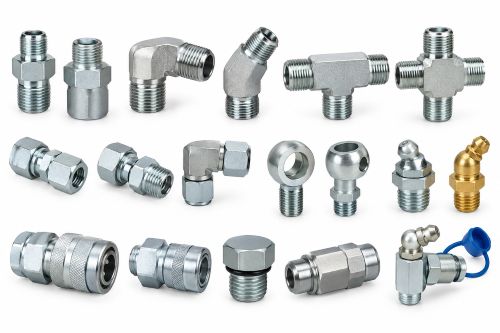
Hydraulic lubrication fittings, often called grease fittings or grease nipples, are components that provide access for injecting lubricant into a machine’s lubrication point.
A grease gun is typically connected to the fitting. When lubricant is pumped through the fitting, an internal check mechanism allows the grease to enter the lubrication passage while helping prevent contaminants from entering when the grease gun is removed.
These fittings are commonly found on:
1. Hydraulic equipment
2. Construction machinery
3. Agricultural equipment
4. Mining machinery
5. Industrial machines
6. Trucks and heavy vehicles
7. Bearings and pivot points
8. Pins, bushings, and mechanical joints
Although lubrication fittings are not the same as hydraulic fluid fittings used to connect pressure lines, they are often used on machinery that operates with hydraulic systems.
Why Choosing the Right Lubrication Fitting Matters
The correct lubrication fitting makes routine maintenance easier and helps ensure that lubricant reaches the intended component.
A properly selected fitting can help:
1. Deliver grease effectively
2. Reduce friction between moving components
3. Minimize premature wear
4. Reduce heat caused by friction
5. Prevent lubricant leakage
6. Make maintenance easier
7. Extend component service life
8. Reduce unnecessary equipment downtime
A fitting that does not match the lubrication port, however, can create problems. For example, forcing an incompatible thread into a port may damage the threads and make future maintenance more difficult.
Types of Hydraulic Lubrication Fittings
Before selecting a fitting, it helps to understand the most common designs.
1. Straight Lubrication Fittings
Straight fittings have a simple design that allows lubricant to travel directly into the lubrication point.
They are a good choice when the grease gun can easily access the fitting without interference from surrounding components.
Best for: Easily accessible lubrication points.
2. 45-Degree Lubrication Fittings
A 45-degree fitting changes the direction of the grease-gun connection. This can make lubrication easier when a straight fitting would be difficult to reach.
Best for: Moderately restricted or angled lubrication points.
3. 90-Degree Lubrication Fittings
A 90-degree fitting provides a sharper change in direction and is useful when surrounding components prevent direct access.
For example, a grease fitting located next to a frame or housing may be easier to service with a 90-degree design.
Best for: Tight or difficult-to-access locations.
4. Flush-Type Lubrication Fittings
Flush fittings have a low-profile design and sit close to the mounting surface.
They are useful where a protruding fitting could be damaged by moving parts, impact, or limited clearance.
Best for: Low-clearance applications.
5. Button-Head Lubrication Fittings
Button-head fittings have a larger head and are commonly associated with heavy-duty lubrication applications.
Their design can be suitable for equipment requiring frequent or higher-volume lubrication.
Best for: Heavy-duty machinery and demanding maintenance environments.
Key Factors to Consider When Choosing Hydraulic Lubrication Fittings
Several factors should be checked before purchasing or installing a lubrication fitting.
1. Check the Fitting Size
Size is one of the first things to verify.
The replacement fitting needs to match the lubrication port on the equipment. A fitting that is too large, too small, or otherwise incompatible may not install correctly.
If you are replacing an existing fitting, compare its dimensions with the manufacturer’s specifications rather than relying only on its appearance.
2. Identify the Thread Type
Thread compatibility is critical.
Common thread types used in industrial equipment include:
➡️ Metric threads
➡️ NPT threads
➡️ BSP threads
➡️ Other regional or manufacturer-specific thread standards
Do not assume that fittings with similar dimensions use the same thread standard. Two threads may appear similar but have different profiles or pitches.
Using the wrong thread can result in cross-threading, leakage, or damage to the lubrication port.
When possible, check the equipment manual, parts drawing, or manufacturer’s specifications before selecting a replacement.
3. Check the Thread Size
Knowing the thread standard is only part of the process. You also need the correct thread size.
For metric threads, the diameter and thread pitch are important. For other thread standards, the nominal size and thread specification need to be confirmed.
If you do not know the size, the existing fitting can sometimes be measured using suitable tools. However, measurements should be compared with recognized thread specifications because measuring the outside diameter alone may not be enough to identify the thread correctly.
4. Consider the Fitting Angle
The shape of the fitting should match the available installation space.
A simple rule is:
➡️ Straight fitting: Choose when access is open and direct.
➡️ 45-degree fitting: Choose when the lubrication point requires moderate redirection.
➡️ 90-degree fitting: Choose when access is restricted.
➡️ Flush fitting: Choose when clearance is extremely limited.
The easiest fitting to install is not always the easiest fitting to maintain. Think about where the grease gun will be positioned during future servicing.
5. Select the Right Material
Lubrication fittings are available in different materials and finishes.
Common options include:
Carbon steel:
A practical choice for many general industrial and machinery applications. Protective coatings can improve corrosion resistance.
Stainless steel:
Useful in environments where corrosion resistance is especially important, such as wet, humid, or chemically demanding environments.
Zinc-plated steel:
Often selected for improved surface protection while maintaining the strength and practicality of steel.
The best material depends on the equipment, operating environment, exposure to moisture, and required service life.
6. Consider Pressure and Operating Conditions
Lubrication fittings must be suitable for the pressure generated during the lubrication process and the conditions surrounding the fitting.
Heavy machinery may require fittings that can withstand demanding maintenance conditions, vibration, and repeated grease-gun connections.
Always check the fitting manufacturer’s specifications and compare them with the equipment’s requirements.
Do not select a fitting based only on physical size or appearance.
7. Check Lubricant Compatibility
Not every machine uses the same lubricant.
Before selecting a fitting, understand what type of grease or lubricant the equipment requires. The fitting should be suitable for the intended lubrication method and service conditions.
More importantly, follow the machinery manufacturer’s recommendations for lubricant type and lubrication intervals. Using an incorrect lubricant can cause problems even when the fitting itself is suitable.
8. Consider the Operating Environment
The environment can have a major effect on fitting selection.
For outdoor equipment, exposure to rain and humidity can increase corrosion risk. Construction and mining machinery may also operate in environments containing dust, dirt, mud, and other contaminants.
For corrosive or wet environments, a corrosion-resistant material such as stainless steel may be a better choice.
For applications where the fitting is exposed to physical impact, a low-profile design may also be worth considering.
How to Determine the Correct Thread Type and Size
If you are unsure which fitting to buy, start with the equipment rather than guessing from the fitting alone.
Step 1: Check the Equipment Manual
The equipment manufacturer’s documentation may specify the exact lubrication fitting required.
This is usually the most reliable source of information.
Step 2: Inspect the Existing Fitting
If the old fitting is still available, examine its shape, thread, size, and mounting position.
Take note of whether it is straight, angled, flush, or button-head style.
Step 3: Measure the Fitting
Depending on the fitting, you may need to measure:
➡️ Thread diameter
➡️ Thread pitch
➡️ Overall length
➡️ Head diameter
➡️ Mounting dimensions
Use appropriate measuring tools and compare the measurements against recognized specifications.
Step 4: Confirm the Thread Standard
Determine whether the fitting uses a metric, NPT, BSP, or another thread standard.
This step is especially important when equipment and replacement fittings come from different countries or manufacturers.
Step 5: Confirm With the Supplier
If there is still uncertainty, provide the fitting dimensions, equipment model, or manufacturer’s part number to a qualified supplier.
It is much safer to confirm compatibility before ordering than to force a fitting that does not match.
How to Choose the Right Fitting Style
The following table provides a quick reference:
|
Fitting Style |
Best Application |
Main Benefit |
|
Straight |
Open-access points |
Simple and direct lubrication |
|
45° |
Moderately restricted areas |
Improved grease-gun access |
|
90° |
Tight spaces |
Easier access around obstacles |
|
Flush |
Low-clearance areas |
Compact, low-profile design |
|
Button-head |
Heavy-duty equipment |
Suitable for demanding lubrication service |
The goal is to choose a fitting that not only fits the port but also makes regular lubrication convenient.
Common Applications of Hydraulic Lubrication Fittings
Lubrication fittings are used across many types of machinery.
Construction Equipment
Excavators, loaders, cranes, and other construction machines contain numerous pivot points and moving joints that require regular lubrication.
Agricultural Machinery
Tractors, harvesters, balers, and other agricultural equipment often use grease fittings on bearings, joints, shafts, and pivot points.
Mining Equipment
Mining machinery operates under heavy loads and harsh environmental conditions. Durable lubrication fittings can help support regular maintenance.
Industrial Machinery
Manufacturing equipment, conveyors, presses, and other industrial machines may use lubrication fittings to service bearings and moving components.
Heavy Vehicles
Trucks and other heavy-duty vehicles can have multiple grease points that require routine servicing.
Common Mistakes to Avoid
Selecting a lubrication fitting may seem simple, but several common mistakes can cause problems.
Choosing Based Only on Appearance
Two fittings can look almost identical while having different threads or dimensions.
Always verify the specifications.
Mixing Thread Standards
Never assume that similar-looking metric, BSP, or NPT threads are interchangeable.
The fitting and port must use compatible threads.
Ignoring Accessibility
A fitting may technically fit the machine but still be difficult to lubricate.
Consider how the grease gun will connect and whether surrounding components will interfere.
Selecting the Wrong Material
A standard steel fitting may not be the best option for a highly corrosive environment.
Choose materials based on actual operating conditions.
Ignoring Operating Requirements
Pressure, temperature, vibration, and environmental exposure can all affect fitting performance.
Always compare the fitting specifications with the equipment requirements.
Installing a Damaged Fitting
Do not install fittings with damaged threads, blocked passages, corrosion, or other visible defects.
A damaged fitting can make lubrication unreliable and may cause maintenance problems later.
Installation Tips for Hydraulic Lubrication Fittings
Once you have selected the correct fitting, proper installation is just as important.
Clean the Lubrication Point
Remove dirt, old grease, and other contaminants from around the port before installation.
Avoid Cross-Threading
Start the fitting carefully and make sure the threads engage correctly.
Never force the fitting into the port.
Use the Correct Tightening Method
The fitting should be tightened according to the applicable manufacturer’s recommendations.
Avoid excessive tightening, which can damage threads or the fitting itself.
Check the Fitting After Installation
Once installed, inspect the connection and make sure the fitting is secure.
Apply lubricant according to the equipment manufacturer’s instructions and check for unusual leakage or other problems.
How to Maintain Hydraulic Lubrication Fittings
Proper maintenance helps keep lubrication points working effectively.
A good maintenance routine should include:
1. Inspecting fittings regularly
2. Cleaning the fitting before applying grease
3. Checking for blocked fittings
4. Looking for corrosion or physical damage
5. Replacing damaged fittings
6. Checking for loose connections
7. Keeping fittings protected from contamination
8. Following recommended lubrication intervals
If grease does not enter a lubrication point normally, do not simply keep increasing pressure. The fitting or lubrication passage may be blocked, or there may be another mechanical problem that needs investigation.
Hydraulic Lubrication Fittings Selection Checklist
Before purchasing a fitting, check the following:
1. Correct fitting type
2. Correct thread standard
3. Correct thread size
4. Correct fitting angle
5. Suitable material
6. Compatible lubricant
7. Appropriate pressure capability
8. Suitable temperature range
9. Resistance to the operating environment
10. Easy access for the grease gun
Compatibility with the equipment manufacturer’s specifications
This checklist can help prevent common selection and installation mistakes.
Frequently Asked Questions
What are hydraulic lubrication fittings used for?
Hydraulic lubrication fittings provide access for delivering grease or lubricant to components such as bearings, bushings, pins, joints, and other moving parts.
How do I know what size lubrication fitting I need?
Check the equipment manufacturer’s specifications first. If unavailable, inspect and measure the existing fitting, including its thread diameter and pitch, and identify the thread standard.
What is the difference between straight and angled lubrication fittings?
A straight fitting provides direct access to the lubrication point, while angled fittings such as 45-degree and 90-degree designs redirect the grease-gun connection to make servicing easier in restricted spaces.
Are hydraulic grease fittings universal?
No. Lubrication fittings can have different thread standards, sizes, materials, and designs. Always confirm compatibility before installation.
Can I use an NPT fitting in a BSP port?
You should not assume that NPT and BSP fittings are interchangeable. Their thread profiles and specifications differ, so the correct matching thread should be used unless an appropriate, manufacturer-approved adapter is specifically designed for the application.
What material is best for hydraulic lubrication fittings?
Carbon steel is suitable for many general applications, while stainless steel can be preferable where greater corrosion resistance is required. The best choice depends on the operating environment and equipment requirements.
How often should lubrication fittings be replaced?
There is no single replacement interval for every application. Inspect fittings during routine maintenance and replace them when they become damaged, corroded, blocked, loose, or otherwise unreliable.
What causes a grease fitting to become blocked?
Dirt, hardened grease, corrosion, contamination, or internal damage can prevent lubricant from passing through the fitting. A blocked fitting should be inspected and replaced or serviced as appropriate.
Can lubrication fittings be used in high-pressure applications?
Some lubrication fittings are designed for demanding pressure conditions, but their suitability depends on the specific fitting and application. Always verify the manufacturer’s pressure specifications before use.
Conclusion
Choosing the right hydraulic lubrication fitting is an important part of effective machinery maintenance. The fitting needs to match the lubrication port in terms of thread type, size, and configuration, while also being suitable for the operating environment.
Before making a selection, consider the thread standard, thread size, fitting angle, material, pressure requirements, lubricant, environmental conditions, and accessibility.
Most importantly, avoid guessing. Check the equipment manufacturer’s specifications whenever possible, and confirm the fitting’s dimensions and technical requirements before installation.
A correctly selected lubrication fitting makes routine greasing easier, helps maintain reliable lubricant delivery, and can contribute to longer component service life and more efficient equipment maintenance.
Post time: Sep-07-2026