

When working with hydraulic systems, plumbing, or even simple outdoor water setups, choosing the right thread type is critical. A small mismatch can lead to leaks, poor performance, or even system failure.
Two commonly confused thread types are GHT (Garden Hose Thread) and NPT (National Pipe Thread). While they may look similar at first glance, they serve very different purposes and are not interchangeable.
In this guide, we’ll break down the key differences between GHT and NPT, explain where each is used, and help you decide which one is right for your application.
What Is GHT (Garden Hose Thread)?
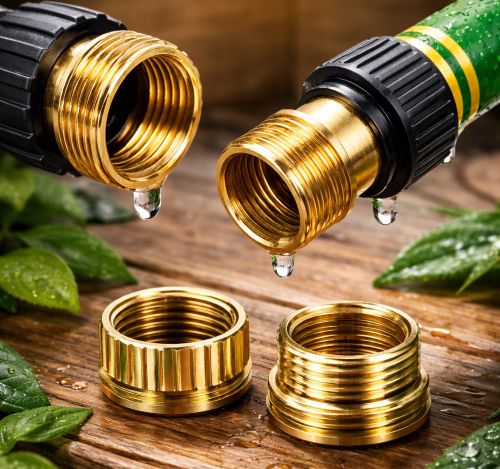
Garden Hose Thread (GHT) is a standard thread type primarily used for connecting garden hoses in residential and light-duty water systems.
Key Characteristics of GHT
➡️ Straight threads (non-tapered)
➡️ Standard size: typically 3/4 inch
➡️ Sealing method: relies on a rubber washer or gasket inside the female fitting
Common Applications
➡️ Garden hoses
➡️ Lawn irrigation systems
➡️ Outdoor faucets and spigots
➡️ Pressure washers (in some cases)
Pros of GHT
➡️ Easy to connect and disconnect
➡️ Widely available and inexpensive
➡️ Simple design, ideal for quick setups
Cons of GHT
➡️ Not designed for high-pressure applications
➡️ Requires a washer for proper sealing
➡️ Limited durability in industrial environments
What Is NPT (National Pipe Thread)?
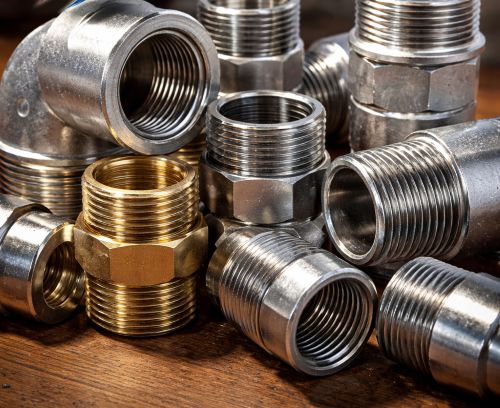
National Pipe Thread (NPT) is a widely used standard in plumbing, gas, and hydraulic systems across North America.
Key Characteristics of NPT
1. Tapered threads (narrower toward the end)
2. Seals through thread interference
3. Requires thread sealant such as PTFE (Teflon) tape or pipe dope
Common Applications
1. Hydraulic systems
2. Industrial piping
3. Gas lines
4. Compressed air systems
Pros of NPT
1. Strong, pressure-resistant seal
2. Suitable for high-pressure and high-temperature systems
3. Reliable in industrial and commercial environments
Cons of NPT
1. Requires careful installation
2. Risk of over-tightening and thread damage
3. Needs sealant for leak-proof performance
Key Differences Between GHT and NPT
Understanding how these two thread types differ is essential to avoid costly mistakes.
1. Thread Design
➡️ GHT: Straight threads
➡️ NPT: Tapered threads that tighten as they are screwed in
2. Sealing Method
➡️ GHT: Seals with a washer or gasket
➡️ NPT: Seals through thread deformation plus sealant
3. Pressure Handling
➡️ GHT: Designed for low-pressure water flow
➡️ NPT: Built for high-pressure systems, including hydraulics
4. Compatibility
Despite similar diameters, GHT and NPT are not compatible. Attempting to connect them directly can result in leaks or damaged threads.
5. Typical Use Cases
➡️ GHT: Residential, gardening, irrigation
➡️ NPT: Industrial, hydraulic, gas, and plumbing systems
Can You Connect GHT to NPT?
The short answer is: not directly.
Although they may appear similar in size, their thread designs and sealing mechanisms are completely different. Forcing a connection can:
➡️ Damage the threads
➡️ Cause leaks
➡️ Compromise system safety
Using Adapters
You can connect GHT to NPT using a properly designed adapter. However:
1. Make sure that the adaptor is rated for the pressure in your system.
2. Avoid using adapters in critical high-pressure hydraulic systems unless absolutely necessary.
Best Practice
Whenever possible, stick to a single thread standard throughout your system to ensure reliability and safety.
Which Should You Use?
Choosing between GHT and NPT depends entirely on your application.
Choose GHT If:
➡️ You’re working with garden hoses or irrigation systems
➡️ The system operates at low pressure
➡️ You need quick, tool-free connections
Choose NPT If:
➡️ You’re dealing with hydraulic or industrial systems
➡️ High pressure and leak prevention are critical
➡️ You need durable, long-term connections
Common Mistakes to Avoid
Avoid these frequent errors when working with GHT and NPT:
1. Assuming the two thread types are interchangeable
2. Using GHT fittings in high-pressure systems
3. Forgetting to apply thread sealant on NPT connections
4. Over-tightening NPT fittings can cause cracks or damage
5. Using low-quality or mismatched adapters
Practical Tips for Installation
To ensure a leak-free and reliable connection, follow these best practices:
1. Identify the Thread Type
➡️ Check whether the threads are straight (GHT) or tapered (NPT)
➡️ Verify size and standards before connecting
2. Use Proper Sealants for NPT
➡️ Apply PTFE tape or pipe dope evenly.
➡️ The tape should be wrapped in the threads’ direction.
3. Check Gaskets for GHT
➡️ Always inspect the washer inside the fitting
➡️ Replace worn or cracked washers immediately
4. Perform Leak Testing
➡️ Turn on the system and check for leaks
➡️ Tighten or reseal as needed
FAQs
Is GHT the same as NPT?
No, GHT and NPT differ in thread design, sealing method, and application. They are not interchangeable.
Can I use an adapter between GHT and NPT?
Yes, but only with a proper adapter designed for that purpose. Be cautious in high-pressure systems.
Which is better for high-pressure applications?
NPT is specifically designed for high-pressure environments and is the better choice.
Why does my connection leak even when it’s tight?
Leaks can occur due to:
1. Missing or damaged washer (GHT)
2. Lack of sealant (NPT)
3. Incorrect thread type or poor installation
Conclusion
While GHT and NPT may look similar, they are designed for completely different purposes.
1. GHT is ideal for low-pressure, easy-to-use applications like garden hoses.
2. NPT is the go-to choice for high-pressure, industrial, and hydraulic systems.
Choosing the correct thread type is essential for safety, performance, and long-term reliability. When in doubt, always match the thread standard to your application—and avoid mixing the two without proper adapters.
Post time: Mar-23-2026