

Working with fuel systems can get messy fast. Whether you’re a mechanic, a DIY enthusiast, a boater, or anyone who regularly maintains fuel-powered equipment, a fuel hose plug is one of the simplest yet most valuable tools you can keep on hand. These small devices help you stop fuel flow, prevent spills, and protect sensitive components during maintenance or troubleshooting.
In this article, you’ll learn exactly what a fuel hose plug is, when you should use one, how to use it safely, and how to choose the right one for your needs.
What Is a Fuel Hose Plug?
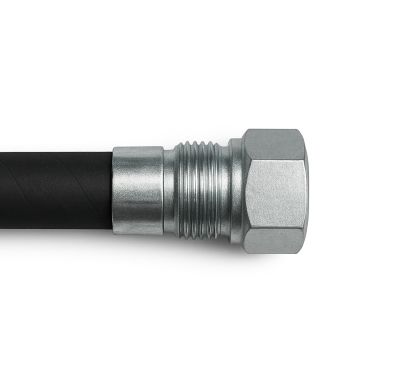
A fuel hose plug is a device designed to block off the end of a fuel line, preventing fuel leakage during repairs, storage, or emergency situations. It acts as a temporary or permanent seal to keep fuel contained and to protect the system from contamination.
Common Materials
Fuel hose plugs are typically made from:
➡️ Rubber – flexible, inexpensive, and great for temporary seals
➡️ Plastic – lightweight and commonly used in quick-connect styles
➡️ Metal – durable and better suited for high-pressure or long-term situations
Types of Fuel Hose Plugs
You’ll find a variety of plug styles, including:
➡️ Quick-connect plugs – snap into modern fuel connectors
➡️ Universal push-in plugs – simple tapered designs that fit multiple hose sizes
➡️ Temporary vs. permanent plugs – for short-term repairs or long-term sealing needs
When Should You Use a Fuel Hose Plug?
1. During Maintenance or Repairs
Fuel hose plugs are essential when you need to:
➡️ Prevent fuel from leaking after disconnecting a line
➡️ Protect sensitive components like pumps, filters, or injectors
➡️ Keep air and debris out of the system while performing repairs
2. When Storing or Transporting Equipment
If you’re hauling or storing equipment such as:
➡️ Boats
➡️ Portable generators
➡️ Motorcycles
➡️ Lawn equipment
A fuel hose plug helps prevent fuel spills, which can be messy, dangerous, and environmentally harmful.
3. Diagnosing Fuel System Issues
Plugs are also used as diagnostic tools. They help by:
➡️ Blocking off certain lines to isolate system problems
➡️ Allowing safe troubleshooting of pumps, filters, or regulators
4. Emergency Situations
Accidental hose damage can happen anytime. A plug provides:
➡️ A temporary fix to stop leaks
➡️ A quick way to contain fuel spills until a permanent repair is made
How to Properly Use a Fuel Hose Plug
Safety Precautions
Before plugging any fuel line, always:
1. Work in a well-ventilated area
2. Wear gloves and eye protection
3. Keep open flames or ignition sources far away
Step-by-Step Instructions
1. Identify the fuel line needing to be blocked.
2. Relieve pressure in the fuel system (if applicable), especially in modern fuel-injected systems.
3. Clean the end of the hose to ensure a good seal.
4. Insert or attach the plug securely, whether it’s a push-in or quick-connect style.
5. Check for leaks after installation.
6. Re-inspect after the repair, storage, or diagnostic work is complete.
Removing the Plug Correctly
1. Depressurize the line if needed.
2. Twist gently while pulling the plug out.
3. Inspect the plug for wear or damage before storing it for next time.
Choosing the Right Fuel Hose Plug
When selecting a plug, consider:
1. Size and compatibility with your fuel hose
2. Material durability, especially if you’re working with ethanol-mixed fuels or diesel
3. Quick-connect vs. standard plugs depending on your equipment
4. Quality level, especially for frequent use or high-pressure situations
Investing in a high-quality plug is worthwhile if you frequently service fuel systems.
Common Mistakes to Avoid
Make sure to steer clear of these issues:
1. Using a plug that doesn’t fit your hose size
2. Reusing damaged or worn plugs that may leak
3. Skipping important safety steps
4. Leaving a temporary plug installed too long can cause swelling or failure
FAQ: Fuel Hose Plugs
Can a fuel hose plug handle pressurized fuel?
Most plugs are designed for low-pressure scenarios. Check product specifications before use.
Are they safe for all fuel types?
Yes! Most are compatible with gasoline, diesel, and ethanol blends. Always verify material compatibility.
How long should a temporary plug stay in place?
Only as long as necessary. Replace it with a proper connector or repair it as soon as possible.
Conclusion
A fuel hose plug may be small, but it’s an incredibly helpful tool for preventing spills, improving safety, and ensuring smooth repairs or diagnostic work. By choosing the right type, following proper safety practices, and knowing when to use one, you’ll be better prepared for any fuel-related maintenance task.
Whether you’re a mechanic, boater, or equipment owner, keeping a good fuel hose plug in your toolkit is a smart move.
Post time: Dec-01-2025