

Fluid power systems are based on hydraulic fittings. They connect hoses, tubes, and components so hydraulic fluid can move safely and efficiently under pressure. Because these systems often operate in demanding environments, such as high pressure, vibration, and temperature fluctuations, selecting the correct fitting type is crucial. The right connection ensures safety, reduces downtime, prevents leaks, and maintains system reliability.
Two commonly compared fitting types are FIP (Female Iron Pipe) fittings and compression fittings. Although both serve the purpose of joining components, they differ significantly in design, performance, installation requirements, and ideal applications.
This guide breaks down each option clearly so you can choose the best fit for your hydraulic or fluid-handling system.
What Are Hydraulic FIP Fittings?
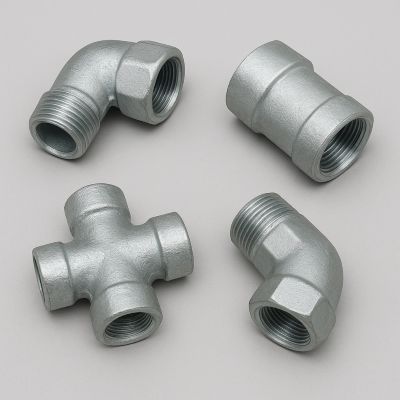
FIP stands for Female Iron Pipe, referring to a threaded fitting with internal threads. These fittings are designed to connect to MIP (Male Iron Pipe) components and create a sealed, pressure-tight connection. In hydraulic systems, FIP fittings are typically built to industry-recognized threading standards such as:
➡️ NPT (National Pipe Thread)
➡️ NPTF (National Pipe Taper Fuel)
These tapered thread types help create a mechanical seal as they tighten.
How They Work
FIP fittings rely on thread engagement and tightening torque to form a seal. Depending on the use, the seal could be:
➡️ Metal-to-metal, where the tapered threads compress against one another
➡️ Thread + sealant, such as PTFE tape or pipe dope, to fill microscopic gaps
As the fitting is tightened, threads compress and deform slightly, creating a hydraulic seal capable of withstanding high pressure.
Common Materials
Hydraulic FIP fittings are typically made from durable metals, including:
1. Steel
2. Stainless steel
3. Brass
4. Ductile iron
These materials support high-pressure and harsh environmental conditions.
Typical Applications
You will commonly find FIP fittings in:
1. High-pressure hydraulic lines
2. Industrial machinery
3. Heavy equipment
4. High-vibration environments
Because of their strength and thread engagement, they excel where long-lasting, durable, and leak-resistant connections are required.
What Are Compression Fittings?
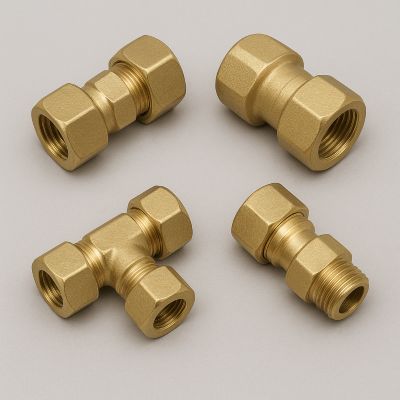
Compression fittings use a ferrule (also called an olive) and a compression nut to mechanically seal around tubing. These fittings allow reliable sealing without threads engaging inside the fluid path.
How They Work
Installation follows a simple mechanical process:
1. Insert the tube into the fitting body
2. Slide the ferrule onto the tube
3. Tighten the compression nut
4. The ferrule compresses around the tubing, forming a pressure-tight seal
Because the ferrule provides the seal, compression fittings typically do not require sealants, making them cleaner and easier to install.
Common Materials
Compression fittings are commonly available in:
➡️ Brass
➡️ Stainless steel
➡️ Plastic (for low-pressure applications)
Material selection depends on fluid type, environment, and pressure rating.
Typical Applications
Compression fittings are preferred for low to medium pressure applications such as:
1. Water systems
2. Pneumatic lines
3. Laboratory equipment
4. Systems needing quick installation or easy disassembly
They are ideal when tubing must be disconnected frequently or when working with softer materials like copper or plastic.
Key Differences Between FIP and Compression Fittings
|
Category |
FIP (Female Iron Pipe) Fittings |
Compression Fittings |
|
Connection Method |
Threaded sealing; may require PTFE tape or sealant |
Ferrule-based mechanical seal; no sealant needed |
|
Pressure Ratings |
Generally high-pressure capable |
Moderate pressure depending on tubing and ferrule |
|
Installation Complexity |
Requires proper threading, torque, and sealant |
Simple installation; user-friendly |
|
Vibration Resistance |
Excellent; threads resist loosening |
Can loosen in high-vibration environments |
|
Maintenance & Reusability |
Reusable, but threads can wear over time |
Ferrules deform and often need replacement |
|
Cost |
Typically higher due to heavy-duty materials |
More economical and faster to install |
|
Best For |
High-pressure, permanent, industrial applications |
Low- to medium-pressure, quick-install, maintenance-heavy systems |
Pros and Cons at a Glance
|
Fitting Type |
Advantages |
Disadvantages |
|
FIP Fittings |
- Very strong connection- High pressure tolerance- Excellent for harsh or high-vibration environments |
- More difficult to install- Requires sealant- Not ideal for frequent disassembly |
|
Compression Fittings |
- Quick installation- No sealant required- Easy to disassemble and replace |
- Lower pressure capability- Not recommended for heavy vibration- Ferrules often not reusable |
When Should You Use FIP vs Compression Fittings?
Use FIP Fittings When:
1. Operating in high-pressure hydraulic systems
2. Facing heavy vibration, shock loads, or temperature fluctuations
3. Installing long-term or permanent connections
4. Working with threaded steel or iron pipe systems
Use Compression Fittings When:
1. You need fast installation without specialized threading tools
2. The system runs in low to medium pressures
3. You’re using copper, plastic, or light stainless steel tubing
4. Frequent disassembly or maintenance is expected
Safety Considerations
No matter which fitting type you choose, system safety depends on proper selection and installation:
1. Always follow manufacturer pressure ratings and compatibility guidelines.
2. Avoid mixing incompatible metals (e.g., brass with carbon steel in corrosive environments).
3. Follow recommended torque specifications and installation procedures.
4. Inspect fittings regularly for leaks, corrosion, ferrule wear, thread damage, or deformation.
Properly selected and installed fittings ensure efficient hydraulic performance and extend the life of your equipment.
Conclusion
Hydraulic FIP and compression fittings each serve important roles, but they’re built for different operating conditions. FIP fittings deliver maximum strength and pressure capability, making them ideal for heavy-duty hydraulic applications. Compression fittings offer convenience, quick installation, and flexibility, especially in low- to medium-pressure systems or where frequent disassembly is required.
Choosing the right fitting type ultimately depends on your system’s pressure requirements, operating environment, tubing material, and service needs. Careful evaluation ensures safer, cleaner, and more reliable fluid power performance.
Need help selecting the right fitting? Contact our team to match the best solution to your application.
Post time: Dec-08-2025