

Hydraulic fittings may be small components, but they play an essential role in ensuring fluid power systems operate safely and efficiently. Among the many fitting types available, female inverted flare fittings are widely used in automotive, industrial, and light hydraulic applications. But how do they stack up against other hydraulic fittings?
This guide breaks down the key differences between female inverted flare fittings and other major fitting types, including JIC, ORFS, compression, and NPT. At the end of this blog, you’ll learn how and what to select the best option for your system.
What Are Female Inverted Flare Fittings?
A female inverted flare fitting features a flared tubing end that mates with a male fitting, creating a durable metal-to-metal seal. Most inverted flare fittings use a 45° flare angle, which allows the flare seat to compress and form a secure, leak-resistant connection.
Materials and Sizes
Female inverted flare fittings are commonly manufactured from:
➡️ Steel
➡️ Brass
➡️ Stainless steel
They are available in various tube diameters and thread sizes, making them compatible with many low- to medium-pressure hydraulic and automotive systems.
Common Applications
These fittings are widely used in:
1. Automotive brake lines
2. Fuel and transmission systems
3. Light hydraulic machinery
4. Refrigeration and fluid transfer applications
Types of Other Hydraulic Fittings Compared
Compression Fittings
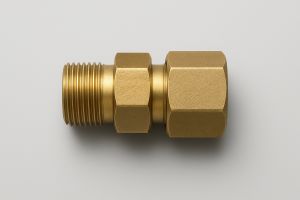
Compression fittings use a ferrule or sleeve to create a seal as the nut tightens. They are popular for tubing connections and are easy to install but not ideal for extreme pressure.
O-Ring Face Seal (ORFS) Fittings
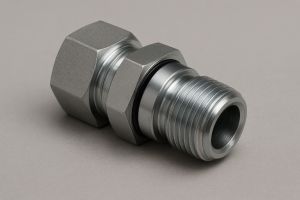
ORFS fittings use a flat face with an embedded O-ring to achieve a highly reliable seal. They are excellent for heavy-duty, high-pressure hydraulic systems where leak prevention is critical.
JIC (37° Flare) Fittings
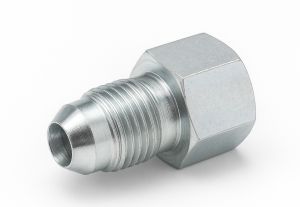
JIC fittings look similar to inverted flare fittings but use a 37° flare angle instead of 45°. They are used in higher-pressure environments and follow strict industry standards.
NPT (National Pipe Thread) Fittings
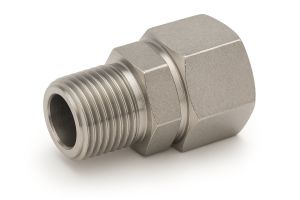
NPT fittings use tapered threads that require sealants such as Teflon tape or pipe dope. They are common but can be sensitive to over-tightening and vibrations.
DIN / Metric Fittings
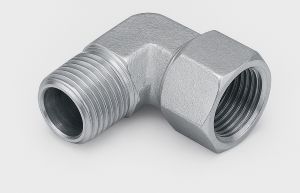
DIN fittings follow European standards and may use bite-type ferrules or soft seals. They provide excellent performance for metric hydraulic systems.
Comparison Table: Quick Reference
|
Fitting Type |
Seal Method |
Pressure Rating |
Ease of Installation |
Best Use Case |
|
Female Inverted Flare |
45° metal-to-metal flare |
Low–Medium |
Easy |
Automotive, light hydraulics |
|
JIC |
37° metal-to-metal flare |
Medium–High |
Moderate |
Industrial hydraulics |
|
ORFS |
O-ring seal |
Very High |
Easy |
High-pressure, high-vibration |
|
Compression |
Ferrule compression |
Medium |
Easy–Moderate |
Tubing, general fluid transfer |
|
NPT |
Tapered threads + sealant |
Low–Medium |
Moderate |
Plumbing, basic hydraulics |
Advantages of Female Inverted Flare Fittings
1. Simple and proven metal-to-metal sealing
2. No need for O-rings or ferrules
3. Cost-effective for many hydraulic and automotive applications
4. Easy field installation
5. Good leak resistance for moderate pressures
Limitations of Female Inverted Flare Fittings
1. Not suitable for very high-pressure hydraulic systems
2. Seal can fail if the flare is damaged or over-tightened
3. Requires precise tubing preparation
4. Less effective in high-vibration conditions compared to ORFS
When to Choose Female Inverted Flare Fittings
Female inverted flare fittings are ideal when:
➡️ Working with automotive brake or fuel lines
➡️ Running light-duty hydraulic or pneumatic systems
➡️ Needing a simple, low-cost, reliable connection
➡️ Operating in low- to medium-pressure applications
Choose alternatives like ORFS, JIC, or compression fittings for:
➡️ High-pressure systems
➡️ Heavy machinery
➡️ High-vibration environments
➡️ Applications requiring enhanced leak prevention
Final Recommendations
Choosing the right hydraulic fitting depends on your pressure requirements, vibration levels, fluid type, and maintenance preferences. Female inverted flare fittings provide an excellent balance of cost, reliability, and ease of installation for many moderate-pressure applications.
However, systems demanding higher pressure or enhanced sealing may benefit from ORFS, JIC, or compression fittings.
Understand the differences between hydraulic fitting types for safe design and efficient fluid systems. Female inverted flare fittings remain a popular and dependable choice, but knowing when to use them, and when to choose alternatives will help you achieve optimal performance and safety.
Post time: Dec-10-2025