

Hydraulic systems power everything from heavy construction equipment to industrial machinery. These systems rely on pressurized fluid to perform work, and every component must be secure and leak-free for the system to operate safely and efficiently. That’s why hydraulic fittings matter so much. Even the smallest fitting can determine whether a hydraulic system runs smoothly or fails under pressure.
One of the most common and reliable hydraulic fittings is the hydraulic cone nipple. In this guide, you’ll learn what it is, how it works, and how to select the right one for your equipment.
This beginner-friendly overview is ideal for technicians, equipment owners, engineers, and anyone new to hydraulic maintenance or design.
What Is a Hydraulic Cone Nipple?
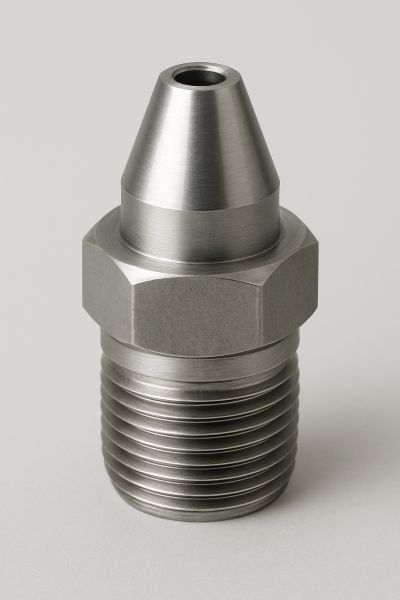
A hydraulic cone nipple is a type of threaded fitting used to connect two hydraulic components, such as hoses, tubes, or valves. It features a tapered or cone-shaped sealing surface that creates a strong, leak-resistant metal-to-metal seal.
Cone nipples act as connectors between different parts of the fluid line. Their precise shape ensures that high-pressure hydraulic fluid flows smoothly without escaping at connection points.
The cone surface acts as a sealing interface. When the nipple is tightened against a matching seat (female cone or sleeve), the conical surfaces press tightly together, creating a durable seal without requiring an O-ring.
Common Angle Standards
Depending on the system’s design, the cone angle may differ. Common standards include:
1. 60° cone
2. 37° JIC cone
3. 24° DIN cone
Matching the cone angle is critical, misaligned angles will not seal properly.
How a Hydraulic Cone Nipple Works
Hydraulic cone nipples seal through metal-to-metal compression. As the fitting is tightened, the male cone presses into the female seat, forming a tight joint.
Unlike fittings that rely on elastomeric O-rings, metal-to-metal seals withstand extreme heat, vibration, and pressure. This makes them ideal for demanding environments.
The tapered shape creates progressively increasing contact pressure. The more it is tightened, the stronger the seal becomes, up to the recommended torque limit, of course.
The cone distributes pressure evenly across the sealing surface. This prevents concentrated stress points and reduces the risk of cracks or blowouts during high-pressure operation.
Types of Hydraulic Cone Nipples
By Cone Angle
➡️ 60° cone – common in many industrial applications
➡️ 37° JIC – widely used in North American mobile and aerospace hydraulics
➡️ 24° DIN – popular in European hydraulic systems
By Thread Type
➡️ BSP (British Standard Pipe)
➡️ JIC (Joint Industry Council)
Correct thread selection is essential to ensure compatibility.
By Configuration
1. Male–male nipples
2. Male–female adapters
3. Bulkhead nipples for panel-mounted applications
You’ll find these in a variety of lengths and diameters.
Materials and Construction
Common Materials
1. Carbon steel – strong and cost-effective
2. Stainless steel – highly corrosion-resistant
3. Brass – suitable for lower-pressure or corrosive environments
When to Choose Each Material
1. Use carbon steel for heavy-duty hydraulic systems.
2. Use stainless steel in marine, chemical, or outdoor environments.
3. Use brass for low-pressure or chemical-friendly applications.
Corrosion Resistance Considerations
Exposure to moisture, saltwater, or chemicals can quickly degrade fittings. Stainless steel offers the best long-term protection.
Pressure and Temperature Ratings
Ratings vary by material and thread type. Always ensure the nipple meets or exceeds your system’s maximum working pressure.
Key Advantages of Hydraulic Cone Nipples
1. Strong, reliable sealing performance—resists leaks even under vibration
2. High-pressure capability—ideal for demanding systems
3. Easy installation and maintenance—no special seals or O-rings required
4. Widely compatible—fits many hydraulic standards
5. Minimizes downtime—reduces chances of seal failure
Common Applications
Hydraulic cone nipples are used in:
➡️ Heavy machinery (excavators, loaders, cranes)
➡️ Industrial hydraulic equipment
➡️ Agricultural machinery (tractors, harvesters)
➡️ Construction equipment (concrete pumps, drills)
➡️ Fluid transfer systems
➡️ Automotive and mobile hydraulics
If a system uses high-pressure fluid, there’s a good chance you’ll find a cone nipple somewhere in its plumbing.
How to Choose the Right Cone Nipple
Here are the factors to consider:
1. Material Type
Choose the material based on environment and pressure.
2. Pressure Rating
Match or exceed the system’s maximum operating pressure.
3. Thread Compatibility
Never mix incompatible thread types.
4. Cone Angle
Use only the correct angle for the matching female seat.
5. Environmental Conditions
Consider temperature extremes, corrosion, chemical exposure, and vibration.
Tips for Avoiding Mismatched Fittings
➡️ Always verify thread type using gauges
➡️ Check cone angle markings or manufacturer specs
➡️ Avoid forcing mismatched threads, it can permanently damage components
Installation Basics (Beginner-Friendly)
Tools You Need
1. Two open-end wrenches
2. Thread gauge or caliper
3. Torque wrench (recommended)
4. Cleaning cloth
How to Check Thread Type and Angle
Use thread ID tools or compare with known samples. Visually inspect the cone surface and verify angle with manufacturer documentation.
Proper Tightening Technique
➡️ Align the fittings carefully
➡️ Hand-tighten first
➡️ Finish with a wrench using recommended torque
Over-tightening can damage the sealing surface.
Safety Precautions
➡️ Depressurize the system before working
➡️ Wear gloves and eye protection
➡️ Avoid standing in line with pressurized fittings
Common Installation Mistakes
➡️ Mixing thread types
➡️ Using incorrect torque
➡️ Installing on dirty or damaged cones
➡️ Ignoring corrosion or cracks
Maintenance & Troubleshooting
Routine Inspection Checklist
1. Check for leaks at connection points
2. Inspect threads for wear or deformation
3. Ensure fittings are securely tightened
Looking for Wear, Cracks, or Thread Damage
Remove the fitting and examine the cone surface. Even small scratches can compromise sealing.
Warning Signs of Improper Sealing
1. Persistent drips
2. Hissing sounds
3. Pressure loss
4. Visible fluid residue
When to Replace a Cone Nipple
Replace immediately if you notice cracking, deep scratches, severe corrosion, or thread deformation.
Frequently Asked Questions
Are cone nipples reusable?
Yes, if threads and cone surfaces are undamaged. However, reusing worn fittings is risky.
Do all cone angles fit together?
No. Mixing angles (e.g., 37° with 60°) will not seal properly.
How long do hydraulic cone nipples last?
With proper maintenance, they can last many years, even in high-pressure applications.
What causes leaks?
1. Incorrect installation
2. Mismatched thread types
3. Damaged sealing surfaces
4. Over-tightening or under-tightening
Conclusion
A hydraulic cone nipple is a simple yet essential component that ensures leak-free, high-pressure performance in hydraulic systems. Understanding its purpose, design, materials, and installation practices can help you maintain safe, efficient, and reliable equipment.
If you’re learning about hydraulic components, exploring fittings like adapters, couplings, and hoses can deepen your understanding of how these powerful systems work.
Post time: Dec-04-2025