

Hydraulic compression sleeve fittings play a critical role in ensuring leak-free, high-pressure connections in hydraulic systems. When installed correctly, they provide reliability, safety, and long service life. However, even small installation errors can lead to leaks, pressure loss, system downtime, or catastrophic failure.
This comprehensive guide explores the most common hydraulic compression sleeve fitting mistakes and provides practical, proven strategies to avoid them. Whether you’re a technician, engineer, or maintenance professional, understanding these pitfalls can save time, money, and equipment.
What Is a Hydraulic Compression Sleeve Fitting?
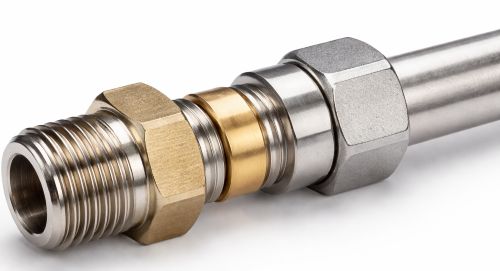
A hydraulic compression sleeve fitting is a mechanical fitting used to connect hydraulic tubing securely without welding or flaring. It consists of a fitting body, a nut, and a compression sleeve (also called a ferrule). When the nut is tightened, the sleeve compresses and bites into the outer surface of the tube, creating a strong, pressure-resistant seal.
These fittings are widely used in hydraulic systems because they offer:
➡️ High resistance to pressure and vibration
➡️ Reliable, leak-free performance
➡️ Easy installation and maintenance
➡️ Compatibility with various tube materials such as carbon steel and stainless steel
Hydraulic compression sleeve fittings are commonly found in industries such as manufacturing, construction equipment, oil and gas, agriculture, and mobile hydraulics. When installed correctly, they provide reliability, safety, and long service life. However, even small installation errors can lead to leaks, pressure loss, system downtime, or catastrophic failure.
Using the Wrong Sleeve or Fitting Type
The Mistake
One of the most frequent errors is using an incorrect compression sleeve for the tube material, size, or pressure rating. Mixing fittings from different manufacturers or standards (DIN, SAE, ISO) can also cause compatibility issues.
How to Avoid It
1. Always match the sleeve, fitting, and tube according to the same standard and manufacturer specifications.
2. Verify pressure ratings and temperature limits before installation.
3. Confirm tube outer diameter (OD) and wall thickness are within the fitting’s allowable range.
Poor Tube Preparation
The Mistake
Improper tube cutting, deburring, or cleaning can prevent the sleeve from seating correctly. Burrs, ovality, or contamination can compromise the seal.
How to Avoid It
1. Cut tubing square using a proper tube cutter or saw.
2. Thoroughly deburr the inside and outside edges of the tube.
3. Clean the tube to remove oil, dirt, and metal particles before assembly.
Incorrect Sleeve Orientation
The Mistake
Installing the compression sleeve backward is a surprisingly common issue, especially for less experienced installers. This prevents proper bite into the tube and leads to leaks.
How to Avoid It
1. Always check sleeve orientation before assembly.
2. Follow manufacturer diagrams and installation guides.
3. When in doubt, perform a visual inspection before tightening.
Over-Tightening or Under-Tightening
The Mistake
Applying too much torque can deform the sleeve or tube, while insufficient tightening may not create a proper seal. Both conditions can result in leaks or premature failure.
How to Avoid It
1. Follow recommended torque values or turn-from-finger-tight guidelines.
2. Use calibrated torque wrenches where specified.
3. Avoid “feel-based” tightening, especially on high-pressure systems.
Reusing Compression Sleeves Improperly
The Mistake
Compression sleeves are often designed for single-use. Reusing them without inspection can lead to poor sealing and unreliable performance.
How to Avoid It
1. Replace sleeves whenever fittings are disassembled unless the manufacturer explicitly allows reuse.
2. Inspect sleeves for deformation, scoring, or loss of bite.
3. When in doubt, install a new sleeve to ensure safety and reliability.
Misalignment During Assembly
The Mistake
Forcing a tube into a fitting at an angle can prevent the sleeve from seating evenly. Misalignment stresses the connection and increases the risk of leaks.
How to Avoid It
1. Ensure tubes are properly aligned before tightening.
2. Use tube supports or clamps to maintain alignment.
3. Never force a fitting to compensate for poor routing or measurement errors.
Ignoring Tube Material Compatibility
The Mistake
Different tube materials—such as stainless steel, carbon steel, or copper—require specific sleeves. Using the wrong sleeve can cause insufficient grip or tube damage.
How to Avoid It
1. Confirm sleeve compatibility with the tube material.
2. Use hardened sleeves when working with stainless steel tubing.
3. Refer to manufacturer charts for material-specific recommendations.
Skipping Pressure Testing After Installation
The Mistake
Failing to test the assembly before full operation can allow small leaks or installation errors to go unnoticed until system failure occurs.
How to Avoid It
1. Perform pressure testing at or above operating pressure.
2. Inspect fittings for leaks during initial startup.
3. Recheck torque after the first pressure cycle if recommended.
Not Following Manufacturer Instructions
The Mistake
Assuming all compression sleeve fittings install the same way can lead to errors. Each manufacturer may have unique installation steps.
How to Avoid It
1. Always follow the specific installation instructions provided.
2. Train technicians using manufacturer-approved procedures.
3. Keep technical documentation accessible at the job site.
Frequently Asked Questions (FAQ)
1. Are hydraulic compression sleeve fittings reusable?
In most cases, hydraulic compression sleeves are designed for single use. Once the sleeve has bitten into the tube, reusing it can compromise sealing performance. Some manufacturers may allow limited reuse under strict inspection criteria, but replacing the sleeve is generally the safest option.
2. What happens if a compression sleeve is installed backward?
If installed backward, the sleeve cannot properly grip the tube, leading to leaks, pressure loss, or sudden fitting failure. Always verify sleeve orientation before tightening.
3. Do you need a torque wrench for compression sleeve fittings?
While some fittings use turn-from-finger-tight methods, many manufacturers recommend torque wrenches for consistent and reliable installation, especially in high-pressure hydraulic systems. Always follow manufacturer guidelines.
4. Can you mix compression sleeve fittings from different manufacturers?
Mixing fittings, sleeves, and nuts from different manufacturers or standards is not recommended. Even small dimensional differences can cause sealing issues or failure. Use matched components from the same manufacturer whenever possible.
5. How do you know if a compression sleeve fitting is installed correctly?
A properly installed fitting should not leak under pressure, should meet torque or rotation specifications, and should show a uniform bite on the tube if disassembled for inspection. Pressure testing is the best way to confirm correct installation.
6. What tube materials work best with compression sleeve fittings?
Compression sleeve fittings are commonly used with carbon steel, stainless steel, and sometimes copper tubing. Each material may require a specific sleeve type, so always verify compatibility before installation.
If you are looking for more resources, this list is right for you!
➡️ What Are Hydraulic Pump Adapters and How Do They Work?
➡️ Stainless Steel vs Brass Fittings? A Complete Comparison Guide
➡️ What Is an Irrigation Quick Coupler and How Does It Work
Conclusion
Hydraulic compression sleeve fitting failures are often the result of simple, preventable mistakes. By paying close attention to tube preparation, sleeve selection, alignment, and proper tightening techniques, you can significantly improve system reliability and safety.
Avoiding these common mistakes not only extends the life of your hydraulic system but also reduces downtime, maintenance costs, and the risk of dangerous failures. When in doubt, consult manufacturer guidelines or seek expert advice—precision and consistency are key to successful hydraulic fitting installation.
Author’s Tip: A well-installed compression sleeve fitting should be reliable for the entire service life of the system. Taking a few extra minutes during installation can prevent hours of troubleshooting later.
Post time: Jan-21-2026