

Compression nuts and inserts play a critical role in creating secure, leak-free pipe connections across a wide range of applications, including plumbing, HVAC, gas, and industrial fluid systems. While these components may appear simple, their performance and safety depend heavily on strict adherence to recognized standards and specifications. Understanding these standards is essential for engineers, installers, and procurement professionals to ensure system reliability, regulatory compliance, and long-term performance.
This article provides a comprehensive overview of compression nut and insert standards and specifications, covering materials, dimensions, pressure ratings, and international regulations.
What Are Compression Nuts and Inserts?
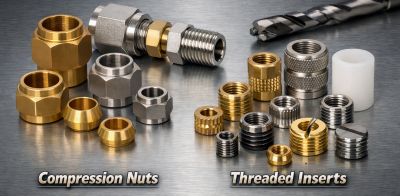
A compression nut is a threaded component that tightens onto a fitting body to compress an insert or ferrule around a pipe. A compression insert—also known as a ferrule, olive, or liner—is designed to grip and seal the pipe when the nut is tightened.
Together, these components create a strong mechanical seal without the need for welding, soldering, or adhesives. Compression nuts and inserts are commonly used with copper, plastic, stainless steel, and multilayer pipes in both low- and high-pressure systems.
Why Standards and Specifications Matter
Standards and specifications ensure that compression nuts and inserts perform consistently and safely under defined conditions. They are critical for:
1. Preventing leaks and mechanical failures
2. Ensuring compatibility between fittings from different manufacturers
3. Meeting regional and international regulatory requirements
4. Defining pressure and temperature limits
5. Supporting long-term system reliability and maintenance
Non-compliant components can lead to premature failures, safety hazards, and costly downtime.
Common Materials and Material Standards
Brass
Brass is widely used due to its corrosion resistance and machinability. Common standards include:
➡️ CW614N and CW617N (EN standards)
➡️ ASTM B16 for free-cutting brass
Stainless Steel
Stainless steel offers superior strength and corrosion resistance, especially in aggressive environments.
➡️ AISI 304 and AISI 316
➡️ ASTM A276 for stainless steel bars and shapes
Plastic Inserts
Plastic inserts are typically used with plastic or multilayer pipes.
➡️ Materials include nylon and acetal
➡️ ASTM D6778 for thermoplastic materials
Material selection must align with the operating media, pressure, temperature, and environmental conditions.
International Standards for Compression Nuts and Inserts
ISO Standards
ISO standards define performance and dimensional requirements for compression fittings:
➡️ ISO 8434 – Metal tube connections for fluid power systems
➡️ ISO 228 – Pipe threads where applicable
European (EN) Standards
EN standards are widely used in plumbing and HVAC applications:
➡️ EN 1254 – Copper and copper alloy fittings
➡️ EN 12165 / EN 12164 – Copper alloys for machining and forging
ASTM Standards
ASTM standards focus primarily on material composition and mechanical properties:
➡️ ASTM B16 – Brass materials
➡️ ASTM A276 – Stainless steel materials
BS and DIN Standards
➡️ BS EN equivalents for plumbing fittings
➡️ DIN 2353 – Compression fittings for high-pressure hydraulic systems
Dimensional Specifications
Dimensional accuracy is critical for achieving a proper seal. Key specifications include:
1. Nominal pipe sizes and outer diameter (OD) tolerances
2. Thread types such as BSPP, BSPT, NPT, and metric threads
3. Insert length, wall thickness, and seating angles
4. Compatibility between nut, insert, and fitting body
Even minor dimensional deviations can compromise sealing performance.
Pressure and Temperature Ratings
Standards define allowable pressure and temperature ranges based on material and design:
1. Brass fittings are typically rated for moderate pressures and temperatures
2. Stainless steel fittings support higher pressure and temperature ranges
3. Plastic inserts have lower temperature and pressure limits
The pipe material, installation method, and operating conditions must always be considered when selecting components.
Application-Specific Specifications
Plumbing and Drinking Water Systems
➡️ Compliance with WRAS, NSF, and potable water standards
➡️ Lead-free material requirements
Gas Applications
➡️ Gas-certified fittings with stricter material controls
➡️ Enhanced leak-tightness and safety standards
Hydraulic and Pneumatic Systems
➡️ High-pressure performance requirements
➡️ Resistance to vibration and cyclic loading
Manufacturing Tolerances and Quality Control
High-quality compression nuts and inserts are manufactured under strict quality controls, including:
1. Precision machining and surface finish standards
2. Thread gauging and dimensional inspection
3. Pressure and leak testing
4. Batch traceability and documentation
Manufacturers often operate under ISO 9001 quality management systems to ensure consistency.
Installation Requirements According to Standards
Correct installation is just as important as component quality:
1. Follow recommended torque specifications
2. Avoid over-tightening, which can damage inserts or pipes
3. Ensure compatibility between pipe material and insert type
4. Understand reusability limitations of compression fittings
Improper installation can invalidate compliance with standards and reduce service life.
How to Choose Standard-Compliant Compression Nuts and Inserts
To ensure compliance:
1. Identify applicable standards for your region and application
2. Verify material certifications and pressure ratings
3. Ensure thread compatibility
4. Source components from reputable, certified manufacturers
Proper documentation and technical support are key indicators of reliable suppliers.
Common Compliance Issues and How to Avoid Them
1. Mixing fittings from incompatible standards
2. Using incorrect thread types
3. Installing non-certified materials in regulated systems
4. Exceeding pressure or temperature limits
Careful specification review and supplier verification help prevent these issues.
Conclusion
Compression nut and insert standards and specifications are essential for ensuring safe, reliable, and efficient piping systems. By understanding material requirements, dimensional tolerances, pressure ratings, and regulatory standards, professionals can make informed decisions that enhance system performance and compliance.
Selecting standard-compliant components and following proper installation practices not only reduces risk but also extends the lifespan of piping systems across all applications.
Post time: Jan-06-2026