

Choosing the right type of fitting is essential in plumbing, HVAC, gas lines, and hydraulic systems. Using the wrong connector can result in leaks, reduced performance, and potential safety risks. Two fittings that are often mistaken for one another are compression fitting nuts and flare nuts. Although they may look similar, they are designed for different applications, pressure levels, and installation methods.
Understanding how these fittings differ is key to selecting the safest and most effective option for your project. In this guide, you’ll learn how each fitting works, where it’s typically used, its advantages and disadvantages, and how to decide which one is best for your specific needs.
What Is a Compression Fitting Nut?
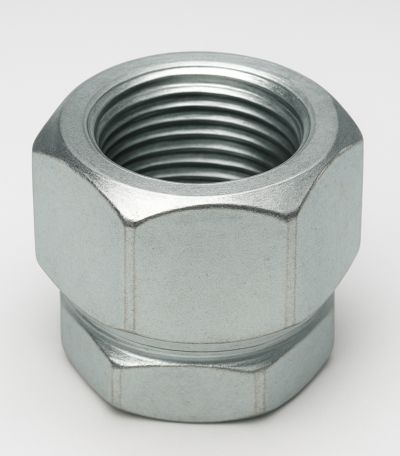
A compression fitting nut is part of a compression fitting assembly used to join pipes or tubing without soldering or specialized tools. This type of fitting is ideal for low- to medium-pressure applications where convenience and ease of installation are essential.
When you tighten the compression nut, it squeezes the ferrule around the outside of the pipe or tube. As the ferrule compresses, it creates a tight, leak-resistant seal.
No heat, soldering, or flaring tools are required—making compression fittings especially popular for DIY and quick repairs.
Components of a Compression Fitting
A typical compression fitting includes:
1. Compression nut: Tightens down to compress the ferrule.
2. Compression ring (ferrule): A small metal ring that forms the seal.
3. Fitting body: The main component that receives the pipe and ferrule.
Common Applications
Compression nuts are commonly found in:
1. Household water supply lines
2. Refrigerator/ice maker lines
3. Low- to medium-pressure plumbing
4. Certain pneumatic systems
What Is a Flare Nut?
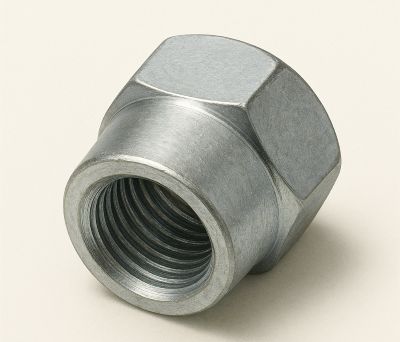
A flare nut is designed to work with flare fittings, which require the end of the tubing to be expanded, or “flared” before installation. This flared shape allows the nut to clamp the tubing securely against the fitting, forming a strong metal-to-metal seal.
With flare fittings, the tubing end is flared at either 45° (common for plumbing and HVAC) or 37° (common for hydraulic systems). The flare nut slides over the tube and, when tightened, presses the flared end tightly against the fitting seat.
This creates a highly durable seal capable of withstanding high pressures, vibration, and extreme temperatures.
Common Applications
Flare nuts are typically used in:
1. Natural gas and propane lines
2. Refrigeration and HVAC systems
3. Automotive brake lines
4. High-pressure hydraulic systems
Key Differences Between Compression Nuts and Flare Nuts
|
Category |
Compression Nuts |
Flare Nuts |
|
Installation Method |
No tubing modification needed; uses a ferrule to compress around the pipe. |
Requires a flaring tool; tubing end must be flared before installation. |
|
Pressure Rating |
Suitable for low to medium pressure systems. |
Handles medium to high pressure; ideal for gas and refrigerants. |
|
Seal Type |
Ferrule-based seal. |
45° or 37° metal-to-metal seal. |
|
Reusability |
Ferrules are usually single-use; removal may damage tubing. |
Nuts can typically be reused if the tubing and flare are in good condition. |
|
Tubing Compatibility |
Works with copper, plastic (with inserts), and some PEX setups. |
Compatible with soft metals like copper, aluminum, and certain steel lines (e.g., automotive). |
Pros and Cons: Compression Fitting Nuts vs. Flare Nuts
|
Feature |
Compression Fitting Nuts |
Flare Nuts |
|
Pros |
Easy installation |
Extremely reliable seal |
|
Cons |
Not typically approved for gas lines• May loosen over time if improperly installed |
Requires a flaring tool and proper technique |
Which Should You Choose?
For Water Plumbing
Compression nuts are usually the best choice—quick and easy without specialized tools.
For Gas Lines
Flare nuts are typically required by code because they handle pressure and vibration better.
For HVAC/Refrigeration
Flare fittings are the industry standard due to their reliability under pressure and temperature changes.
For Automotive Applications
Flare nuts, especially double-flare systems, are essential for brake lines and hydraulic performance.
For DIY vs. Professional Use
➡️ DIY: Compression fittings are easier and faster.
➡️ Professional or high-pressure systems: Flare nuts offer superior safety and durability.
Installation Tips for Each Type
Compression Fittings
1. Avoid overtightening to prevent ferule crashing.
2. Support the tubing to prevent stress on the fitting.
3. Use the correct ferrule material for the tubing type.
Flare Fittings
1. Ensure a smooth, even flare with no cracks
2. Check that the flare seats properly against the fitting
3. Apply the correct torque to avoid deforming the flare
Conclusion
Compression nuts and flare nuts may look similar, but their differences are significant. Compression nuts are perfect for low-pressure water systems and DIY projects, while flare nuts excel in demanding applications like gas, HVAC, refrigeration, and automotive systems.
By understanding the strengths and limitations of each fitting type, you can choose the right one for your project. This ensures safety, reliability, and long-lasting performance.
If you’re ready to dive deeper, be sure to check out related guides like “Types of Flaring in Hydraulic Systems [How They Work]” or “Female Inverted Flare Fittings vs. Other Hydraulic Fittings.”
Post time: Dec-11-2025