

Hydraulic systems are the backbone of countless industries, from construction and manufacturing to agriculture and marine operations. At the heart of these systems are hydraulic fittings, small but critical components responsible for connecting hoses, pipes, and tubes while maintaining pressure and fluid flow.
When a hydraulic fitting fails, it can lead to leaks, system inefficiencies, costly downtime, and even safety hazards. The good news? Most hydraulic fitting failures are preventable, and when they do occur, they can often be fixed quickly with the right approach.
In this guide, we’ll break down the most common hydraulic fitting failures, their causes, and how to fix them fast.
Why Hydraulic Fittings Fail
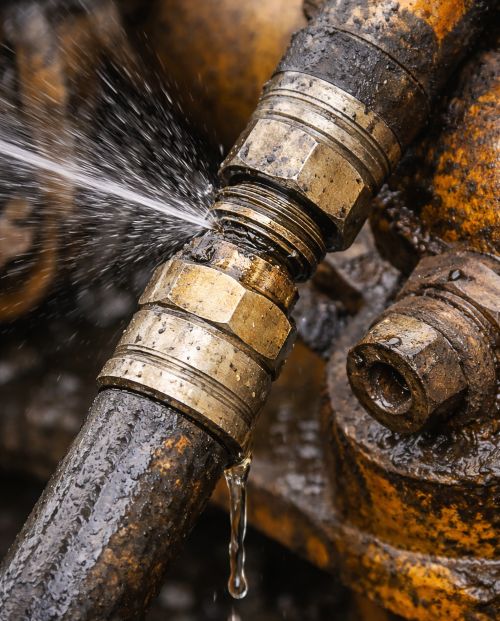
Before diving into specific issues, it’s important to understand why hydraulic fittings fail in the first place. Most failures can be traced back to a few key factors:
1. Improper installation – Incorrect torque, misalignment, or poor assembly practices
2. Wear and tear – Natural degradation over time due to pressure and usage
3. Environmental conditions – Exposure to heat, vibration, moisture, or chemicals
4. Incorrect fitting selection – Using the wrong type, size, or material for the application
Ignoring early warning signs can escalate minor issues into major system failures—leading to increased maintenance costs and unexpected downtime.
Most Common Hydraulic Fitting Failures Fixes
1. Leaks at Connection Points
Causes:
➡️ Loose fittings
➡️ Damaged seals or O-rings
➡️ Over-tightening or under-tightening
Quick Fixes:
➡️ Retighten fittings using the correct torque specifications
➡️ Replace worn or damaged seals and O-rings
➡️ Inspect threads for wear or damage and replace if necessary
Pro Tip: Avoid over-tightening as it can deform threads and worsen leaks over time.
2. Cracked or Broken Fittings
Causes:
➡️ Excessive system pressure
➡️ Material fatigue
➡️ Low-quality or incompatible materials
Quick Fixes:
➡️ Replace the damaged fitting immediately (no temporary fixes)
➡️ Verify system pressure is within safe limits
➡️ Upgrade to high-quality fittings designed for your application
Why It Matters: Cracked fittings can fail suddenly, posing serious safety risks.
3. Thread Damage or Stripping
Causes:
➡️ Cross-threading during installation
➡️ Over-tightening
➡️ Using improper tools
Quick Fixes:
➡️ Replace damaged fittings—threads cannot be reliably repaired
➡️ Ensure proper alignment before tightening
➡️ Use correct tools and follow manufacturer guidelines
Prevention Tip: Always start threading by hand to avoid cross-threading.
4. Seal Failure
Causes:
➡️ Chemical incompatibility with hydraulic fluid
➡️ High operating temperatures
➡️ Aging or degraded materials
Quick Fixes:
➡️ Replace seals with materials compatible with your fluid and environment
➡️ Check system temperature and fluid specifications
➡️ Implement regular inspection and replacement schedules
Common Mistake: Using generic seals instead of application-specific materials.
5. Corrosion and Contamination
Causes:
➡️ Exposure to moisture, salt, or harsh chemicals
➡️ Contaminated hydraulic fluid
➡️ Poor system sealing
Quick Fixes:
➡️ Clean the system and replace corroded fittings
➡️ Use corrosion-resistant materials such as stainless steel
➡️ Improve filtration and sealing systems
Long-Term Solution: Regular fluid analysis can help detect contamination early.
6. Vibration-Induced Loosening
Causes:
➡️ Constant machine vibration
➡️ Lack of proper support or clamps
➡️ Dynamic system movement
Quick Fixes:
➡️ Install clamps or brackets to stabilize fittings
➡️ Use locking fittings or thread sealants
➡️ Inspect high-vibration areas regularly
Quick Win: Adding proper support can significantly extend fitting lifespan.
Warning Signs You Should Never Ignore
Catching problems early can save you time and money. Watch out for:
1. Visible fluid leaks or puddles
2. Sudden drops in system pressure
3. Unusual noises or excessive vibration
4. Signs of wear, rust, or deformation
If you notice any of these issues, act immediately to prevent further damage.
Preventive Maintenance Tips
Preventing hydraulic fitting failures is far more cost-effective than fixing them. Here’s how to stay ahead:
1. Conduct regular inspections of all fittings and connections
2. Follow proper installation practices, including torque specifications
3. Use the right fittings for pressure, temperature, and fluid type
4. Replace wear components on a scheduled basis
5. Train your team on correct handling and installation procedures
A proactive maintenance strategy can dramatically reduce system downtime and extend equipment life.
When to Replace vs. Repair
Not all issues require full replacement, but many do. Here’s a quick guideline:
1. Repair: Minor leaks due to loose fittings or worn seals
2. Replace: Cracks, corrosion, stripped threads, or repeated failures
When in doubt, prioritize safety. Replacing a fitting is often far cheaper than dealing with a system-wide failure.
Conclusion
Hydraulic fitting failures are common, but they don’t have to disrupt your operations. By understanding the root causes and applying quick, effective fixes, you can minimize downtime and keep your systems running smoothly.
Act early, use the right components, and prioritize preventive maintenance. A small investment in proper care today can save you high costs tomorrow.
Need help choosing the right hydraulic fittings or troubleshooting a persistent issue? Get in touch with our team today to keep your systems operating at peak performance.
Post time: Mar-27-2026