

Choosing the correct thread type is critical for ensuring strength, durability, and long-term performance in fastening applications. Whether you’re working in construction, automotive repair, manufacturing, or hydraulic systems, understanding the difference between coarse and fine threads can prevent mechanical failure, stripping, or costly downtime.
In this complete guide, we’ll explain the key differences between coarse and fine threads, provide detailed comparison charts (UNC/UNF and Metric), and help you determine which thread type is best for your specific application.
What Are Screw Threads?
A screw thread is a helical ridge wrapped around a cylindrical fastener such as a bolt or screw. Threads allow components to be joined securely by converting rotational force into clamping force.
Before comparing coarse and fine threads, it’s important to understand some basic thread terminology.
Basic Thread Terminology
1. Major Diameter – The largest diameter of the thread.
2. Minor Diameter – The smallest diameter of the thread.
3. Pitch – The distance between adjacent thread peaks.
4. Threads Per Inch (TPI) – Number of threads within one inch (used in imperial systems).
5. Thread Angle – The angle between the sides of the thread (typically 60° for Unified and Metric threads).
Thread Standards Overview
The most common thread standards include:
1. UNC (Unified National Coarse)
2. UNF (Unified National Fine)
3. Metric Coarse Threads
4. Metric Fine Threads
UNC and UNF are part of the Unified Thread Standard (UTS), commonly used in the United States and Canada. Metric threads are widely used worldwide.
What Are Coarse Threads?
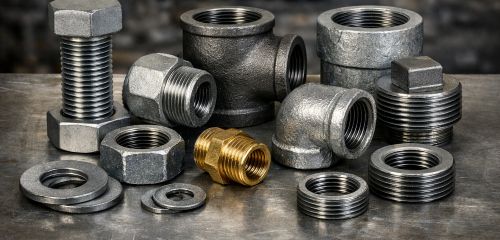
Coarse threads have a larger pitch and fewer threads per inch (TPI) compared to fine threads.
Characteristics of Coarse Threads
1. Deeper thread depth
2. Faster installation
3. Less likely to cross-thread
4. Better performance in soft materials
5. More tolerant of dirt and damage
Common Applications of Coarse Threads
1. Construction and structural assemblies
2. Wood and soft materials
3. General-purpose fastening
4. Outdoor or corrosive environments
5. Quick assembly situations
Coarse threads are typically the default standard in many industries because they are easier to use and more forgiving.
What Are Fine Threads?
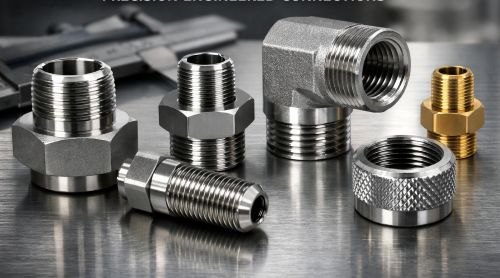
Fine threads have a smaller pitch and more threads per inch (TPI).
Characteristics of Fine Threads
1. Shallower thread depth
2. Greater tensile strength
3. More precise adjustment capability
4. Improved resistance to vibration loosening
5. Better clamping force in limited space
Common Applications of Fine Threads
1. Automotive components
2. Aerospace assemblies
3. Precision machinery
4. Hydraulic fittings
5. High-vibration environments
Fine threads are often used when strength, precision, and vibration resistance are critical.
Coarse vs Fine Thread Chart
Below are comparison charts for both Unified (UNC/UNF) and Metric thread systems.
UNC vs UNF Thread Chart (Imperial)
|
Nominal Size |
UNC (Coarse) TPI |
UNF (Fine) TPI |
|
1/4″ |
20 |
28 |
|
5/16″ |
18 |
24 |
|
3/8″ |
16 |
24 |
|
7/16″ |
14 |
20 |
|
1/2″ |
13 |
20 |
|
5/8″ |
11 |
18 |
|
3/4″ |
10 |
16 |
Key Observation: Fine threads always have a higher TPI than coarse threads for the same nominal diameter.
Metric Coarse vs Metric Fine Thread Chart
|
Thread Size |
Metric Coarse Pitch (mm) |
Metric Fine Pitch (mm) |
|
M6 |
1.0 |
0.75 |
|
M8 |
1.25 |
1.0 |
|
M10 |
1.5 |
1.25 |
|
M12 |
1.75 |
1.5 |
|
M16 |
2.0 |
1.5 |
|
M20 |
2.5 |
1.5 / 2.0 |
In metric systems, the coarse pitch is the default standard unless otherwise specified.
Key Differences Between Coarse and Fine Threads
Let’s break down the main differences in practical terms.
1. Thread Pitch
➡️ Coarse Threads: Larger pitch, fewer threads per inch.
➡️ Fine Threads: Smaller pitch, more threads per inch.
Fine threads create more contact points between the bolt and nut.
2. Strength and Load Capacity
Fine threads generally provide:
➡️ Higher tensile strength
➡️ Greater load distribution
➡️ Better clamping force
Because more threads engage within the same length, fine threads distribute stress more evenly.
3. Vibration Resistance
Fine threads are more resistant to loosening under vibration due to:
➡️ Smaller helix angle
➡️ Increased friction between threads
This makes them ideal for automotive and aerospace applications.
4. Assembly Speed
➡️ Coarse Threads: Faster to install
➡️ Fine Threads: Slower to tighten due to more rotations required
In mass production environments, coarse threads reduce installation time.
5. Resistance to Stripping
Coarse threads perform better in soft materials such as:
➡️ Aluminum
➡️ Plastic
➡️ Wood
Their deeper thread profile reduces the risk of stripping.
Fine threads, however, can strip more easily in soft materials if over-torqued.
6. Performance in Dirty or Harsh Environments
Coarse threads are more tolerant of:
➡️ Dirt
➡️ Corrosion
➡️ Minor thread damage
Fine threads can clog more easily in contaminated environments.
Advantages and Disadvantages
Pros and Cons of Coarse Threads
Advantages:
1. Faster assembly
2. Better for soft materials
3. More durable in rough environments
4. Less prone to cross-threading
Disadvantages:
1. Lower clamping precision
2. Slightly less tensile strength
3. More prone to vibration loosening
Pros and Cons of Fine Threads
Advantages:
1. Higher tensile strength
2. Improved vibration resistance
3. More precise adjustments
4. Better clamping force
Disadvantages:
1. Slower installation
2. More sensitive to damage
3. Higher risk of stripping in soft materials
4. Less effective in dirty environments
When to Use Coarse vs Fine Threads
Choosing the correct thread depends on several factors.
Use Coarse Threads When:
1. Working with soft materials (aluminum, wood, plastic)
2. Fast installation is required
3. The environment is dirty or corrosive
4. The application is general-purpose
Use Fine Threads When:
1. High strength is required
2. The application experiences vibration
3. Precise adjustments are needed
4. Limited engagement length is available
Common Mistakes to Avoid
1. Mixing UNC and UNF threads – They may look similar but are not interchangeable.
2. Incorrect pitch measurement – Always verify using a thread gauge.
3. Over-torquing fine threads – This increases the risk of stripping.
4. Using fine threads in contaminated environments – Debris can damage the threads quickly.
5. Assuming fine threads are always stronger – Strength depends on material, engagement length, and torque.
Frequently Asked Questions
Are fine threads stronger than coarse threads?
In most cases, yes. Fine threads provide higher tensile strength due to increased thread engagement. However, the material and application also affect overall strength.
Can you replace coarse threads with fine threads?
Not directly. Nuts and bolts must match in pitch and standard. Mixing them will damage the threads.
Which thread type is better for aluminum?
Coarse threads are typically better for aluminum because they reduce stripping risk.
Why are coarse threads more common?
They are easier to manufacture, install faster, and perform well in most general applications.
Do fine threads resist vibration better?
Yes. Fine threads are less likely to loosen under vibration due to their smaller helix angle and increased friction.
Final Thoughts: Coarse vs Fine Threads
Both coarse and fine threads serve important roles in mechanical fastening. There is no universal “better” option, only the right choice for your application.
Quick Decision Guide:
1. Need speed and durability? → Choose Coarse Threads
2. Need strength and vibration resistance? → Choose Fine Threads
3. Working with soft material? → Choose Coarse
4. Working in precision machinery? → Choose Fine
Before selecting fasteners, always consult a thread chart and verify compatibility with your equipment or engineering specifications.
Post time: Feb-12-2026