

Hydraulic systems are the backbone of countless industries, including construction, agriculture, mining, manufacturing, and transportation. To keep these systems operating safely and efficiently, technicians rely on hydraulic test port fittings to monitor pressure and diagnose performance issues without interrupting system operation.
As more businesses shift to digital purchasing, buying hydraulic test port fittings online has become a convenient and cost-effective option. Online suppliers often provide a wider product selection, competitive pricing, and fast shipping compared to traditional distributors. However, finding the right supplier involves more than choosing the lowest price.
This guide explains where to buy hydraulic test port fittings online, what to look for in a supplier, and how to get the best value without compromising quality.
What Are Hydraulic Test Port Fittings?
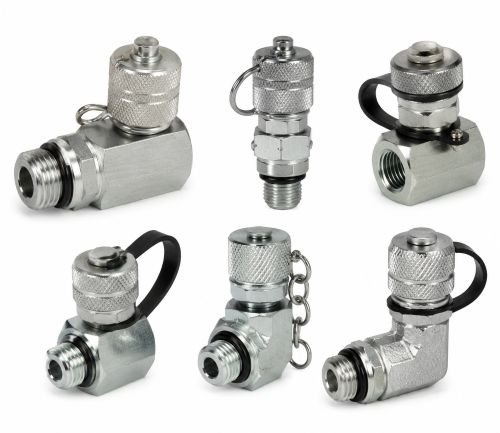
Hydraulic test port fittings are specialized connectors that provide safe access points for measuring hydraulic pressure. They allow technicians to connect pressure gauges or diagnostic equipment without disconnecting hoses or interrupting fluid flow.
These fittings are commonly used for:
1. Routine hydraulic maintenance
2. Pressure testing and system diagnostics
3. Troubleshooting hydraulic equipment
4. Preventive maintenance programs
5. Equipment performance monitoring
You’ll find hydraulic test port fittings in excavators, tractors, forklifts, industrial presses, injection molding machines, and many other hydraulic systems where accurate pressure readings are essential.
What to Look for When Buying Online
Not every hydraulic fitting sold online offers the same level of quality. Before placing an order, consider the following factors.
Material Quality
The material significantly affects durability and corrosion resistance.
Common options include:
1. Carbon steel – Strong, economical, and suitable for most industrial hydraulic systems.
2. Stainless steel – Offers superior corrosion resistance, making it ideal for marine, food processing, chemical, and outdoor environments.
Choose the material based on your operating conditions rather than price alone.
Thread Compatibility
Incorrect thread types are one of the most common causes of leaks and installation problems.
Verify that the fitting matches your hydraulic system’s specifications, including:
➡️ Metric
➡️ BSP
➡️ NPT
➡️ SAE
➡️ JIC
Always review technical drawings and dimensions before ordering.
Pressure Rating
Every hydraulic fitting should be rated for the system’s operating pressure.
Selecting a fitting with an insufficient pressure rating can increase the risk of leaks, premature failure, or safety hazards. Ensure the maximum working pressure meets or exceeds your system requirements.
Manufacturing Standards
Reliable hydraulic fittings are manufactured according to recognized industry standards such as ISO, SAE, or DIN. Products that comply with these standards are generally more consistent in quality and compatibility.
How to Identify a Reliable Online Supplier
Choosing the right supplier is just as important as selecting the correct fitting.
Here are several signs of a trustworthy supplier.
Detailed Product Information
A professional supplier should provide:
1. Material specifications
2. Pressure ratings
3. Thread dimensions
4. Product drawings
5. Installation information
Comprehensive documentation reduces the chance of ordering the wrong product.
Consistent Product Quality
Look for suppliers with established manufacturing processes and quality control systems. Certifications such as ISO 9001 demonstrate a commitment to consistent production standards.
Technical Support
Reliable suppliers don’t simply sell products, they help customers choose the right ones.
Technical assistance can be especially valuable when selecting fittings for complex hydraulic systems or replacing discontinued components.
Customer Reviews
Customer feedback provides insight into product quality, shipping reliability, and overall service. Positive reviews from industrial buyers often indicate dependable performance.
Where to Buy Hydraulic Test Port Fittings Online
There are several options when purchasing hydraulic test port fittings online, each offering different advantages depending on your requirements.
Buy Direct from a Hydraulic Fittings Manufacturer
Purchasing directly from a manufacturer is often the best choice for businesses looking for consistent quality, competitive pricing, and technical support. Manufacturers typically have better control over production, ensuring that every fitting meets strict quality standards.
One example is Sannke, a professional manufacturer and global supplier of hydraulic fittings and adapters. Sannke offers a wide range of hydraulic test port fittings designed for reliable pressure testing across industrial and mobile hydraulic systems. Customers can choose from various thread standards, materials, and pressure ratings to match different application requirements. In addition to standard products, Sannke also supports OEM and custom manufacturing services, making it a suitable partner for equipment manufacturers, distributors, and industrial buyers.
Buying directly from manufacturers like Sannke also provides several benefits:
1. Competitive factory-direct pricing
2. Consistent product quality
3. Comprehensive technical specifications
4. OEM and custom manufacturing services
5. Bulk purchasing options
6. Reliable worldwide shipping
7. Professional technical support
Buy from Industrial Supply Websites
Industrial supply websites often stock hydraulic fittings from multiple manufacturers, allowing buyers to compare brands and specifications in one place. These platforms can be a good option for maintenance teams that need quick access to a variety of products.
Buy Through Online Marketplaces
Large online marketplaces offer convenience and a broad selection of hydraulic components. However, product quality and technical support can vary significantly between sellers. Before purchasing, carefully review product specifications, customer feedback, and seller ratings to ensure you’re buying genuine, high-quality hydraulic test port fittings.
Regardless of where you buy, always compare more than just the price. Consider material quality, pressure ratings, manufacturing standards, certifications, warranty, and after-sales support to ensure you’re investing in fittings that provide long-term reliability.
How to Compare Prices Without Sacrificing Quality
The lowest price isn’t always the best deal.
When comparing suppliers, consider the total value rather than focusing solely on the purchase price.
Evaluate factors such as:
➡️ Material quality
➡️ Manufacturing precision
➡️ Pressure rating
➡️ Surface finish
➡️ Warranty
➡️ Technical support
➡️ Shipping costs
➡️ Product availability
A slightly higher-quality fitting often lasts longer, reduces maintenance costs, and minimizes expensive downtime.
Common Mistakes to Avoid
Avoid these common purchasing mistakes when shopping online.
1. Choosing the Cheapest Option
Low-cost fittings may use inferior materials or poor manufacturing processes, resulting in leaks and shorter service life.
2. Ignoring Technical Specifications
Always verify dimensions, thread types, pressure ratings, and compatibility before placing an order.
3. Buying from Unknown Suppliers
A supplier with little product information or no customer reviews may not provide consistent quality or after-sales support.
4. Overlooking Shipping and Lead Times
Competitive pricing loses its value if delayed delivery causes costly equipment downtime.
Why Buy from a Specialized Hydraulic Fittings Manufacturer?
Specialized manufacturers understand hydraulic systems better than general industrial suppliers.
Working with an experienced manufacturer provides several advantages:
1. High-quality manufacturing standards
2. Extensive product knowledge
3. Consistent inventory
4. Custom design capabilities
5. Faster technical assistance
6. Better quality control
7. Long-term supply reliability
For businesses that depend on hydraulic equipment every day, establishing a relationship with a trusted manufacturer can improve purchasing efficiency and reduce maintenance costs.
Frequently Asked Questions
What are hydraulic test port fittings used for?
They provide safe connection points for measuring hydraulic pressure, making system maintenance and troubleshooting easier without interrupting operation.
Which material is better: carbon steel or stainless steel?
Carbon steel is suitable for most standard hydraulic applications, while stainless steel is recommended for corrosive, marine, chemical, or outdoor environments.
How do I know which thread type I need?
Check your equipment manual, existing fitting specifications, or consult the supplier’s technical team before ordering.
Can I purchase hydraulic test port fittings in bulk?
Yes. Many manufacturers offer wholesale pricing, OEM services, and volume discounts for distributors and equipment manufacturers.
Why should I buy directly from a manufacturer?
Buying directly often provides competitive pricing, consistent quality, technical support, and customization options that may not be available through third-party sellers.
Conclusion
Buying hydraulic test port fittings online offers convenience, competitive pricing, and access to a wide range of products. However, the best purchase isn’t always the cheapest one. By focusing on material quality, thread compatibility, pressure ratings, manufacturing standards, and supplier reliability, you can choose fittings that deliver long-lasting performance and dependable hydraulic system operation.
Whether you’re purchasing a single replacement fitting or placing a bulk industrial order, working with a trusted hydraulic fittings manufacturer ensures you receive quality products, expert support, and excellent value for your investment.
Post time: Jul-23-2026