

When working with fluid systems, whether in plumbing, irrigation, aquariums, or industrial setups, creating secure, leak-free connections is essential. One of the most reliable components for this purpose is the bulkhead to hose barb fitting.
This versatile fitting allows you to connect flexible tubing to a container, tank, or wall while maintaining a tight seal. Whether you’re a DIY enthusiast or a professional, understanding how these fittings work can save you time, money, and frustration.
In this guide, we’ll break down everything you need to know about bulkhead to hose barb fittings, including their types, uses, and key benefits.
What Is a Bulkhead to Hose Barb Fitting?
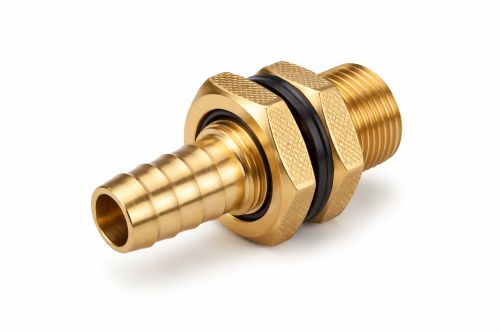
A bulkhead to hose barb fitting is a connector designed to pass fluid through a solid surface (like a tank wall) while allowing a hose to attach securely on one side.
Key Components
-
Bulkhead body: The main threaded section that passes through the wall or tank
-
Locknut: Secures the fitting in place
-
Gasket or O-ring: Creates a watertight seal
-
Hose barb end: A ridged end that grips flexible tubing
How It Works
The bulkhead portion is installed through a pre-drilled hole in a surface, creating a sealed passage. On the outer side, the hose barb allows tubing to slide over it and stay firmly in place, often secured with a clamp for extra reliability.
Types of Bulkhead to Hose Barb Fittings
Choosing the right type depends on your specific application. Here are the main categories:
1. By Material
Plastic (PVC, Polypropylene, Nylon)
-
Lightweight and corrosion-resistant
-
Ideal for water systems and chemical compatibility
-
Budget-friendly
Metal (Brass, Stainless Steel)
-
Strong and durable
-
Suitable for high-pressure or high-temperature applications
-
Better for industrial or heavy-duty use
2. By Size and Diameter
Bulkhead to hose barb fittings come in various sizes, typically ranging from 1/4 inch to 2 inches or more.
-
Always match the barb size to the inner diameter (ID) of your hose
-
Incorrect sizing can lead to leaks or poor fit
3. By Thread Type
-
NPT (National Pipe Thread): Common in North America
-
BSP (British Standard Pipe): Used in Europe and other regions
Ensuring compatibility between thread types is crucial to avoid leaks and damage.
4. By Design
-
Straight fittings: Most common, used for direct connections
-
Elbow (90-degree) fittings: Ideal for tight spaces
-
Multi-barbed designs: Provide extra grip for hoses
Common Uses and Applications
Bulkhead to hose barb fittings are used across a wide range of industries and projects:
Plumbing Systems
-
Connecting pipes to water tanks
-
Drainage and overflow systems
Irrigation and Gardening
-
Drip irrigation setups
-
Rainwater collection systems
Aquariums and Aquaculture
-
Tank overflows and filtration systems
-
Sump connections
Industrial Applications
-
Chemical transfer systems
-
Food and beverage processing (with food-grade materials)
Marine and Automotive Uses
-
Fuel and water tanks
-
Cooling systems
Benefits of Using Bulkhead to Hose Barb Fittings
1. Leak-Proof Connections
With properly installed gaskets or O-rings, these fittings provide a tight, reliable seal—even in demanding environments.
2. Easy Installation
They are simple to install and typically require only basic tools, making them ideal for both professionals and DIY users.
3. Versatility
Compatible with a wide range of hoses, fluids, and systems, these fittings are incredibly adaptable.
4. Durability
Available in robust materials, they can withstand harsh conditions, including chemicals, pressure, and temperature variations.
5. Cost-Effective Solution
Compared to more complex connection systems, bulkhead to hose barb fittings offer an affordable and efficient option.
How to Choose the Right Fitting
Selecting the correct fitting is critical for performance and longevity.
1. Consider the Application
-
Is the system high-pressure or low-pressure?
-
What type of fluid will pass through (water, chemicals, fuel)?
2. Choose the Right Material
-
Use plastic for lightweight, corrosion-resistant needs
-
Use metal for strength and durability in demanding conditions
3. Ensure Size Compatibility
-
Match the fitting size to your hose ID
-
Verify the hole size for the bulkhead installation
4. Evaluate Environmental Factors
-
Exposure to UV rays
-
Temperature extremes
-
Risk of corrosion
Installation Tips and Best Practices
Step-by-Step Overview
-
Drill the correct hole size in the surface
-
Insert the bulkhead fitting through the hole
-
Place the gasket on the correct side (usually the flange side)
-
Tighten the locknut securely (avoid over-tightening)
-
Attach the hose to the barb and secure with a clamp
Common Mistakes to Avoid
-
Over-tightening, which can damage threads or crack fittings
-
Incorrect gasket placement, leading to leaks
-
Using mismatched hose sizes
Maintenance Tips
-
Regularly inspect for leaks or wear
-
Replace damaged gaskets or O-rings
-
Check hose connections periodically
Common Problems and Troubleshooting
Leak Around the Bulkhead
-
Ensure the gasket is properly seated
-
Tighten the locknut evenly
Hose Slipping Off the Barb
-
Use a hose clamp
-
Verify correct hose size
Cracking or Corrosion
-
Choose a more suitable material
-
Avoid exposure to incompatible chemicals
Frequently Asked Questions (FAQs)
What size bulkhead fitting do I need?
It depends on your hose size and flow requirements. Always match the barb to the hose’s inner diameter.
Can these fittings handle high pressure?
Yes, but only if you select the appropriate material (typically metal) and rating.
Are bulkhead to hose barb fittings reusable?
Yes, in most cases, though gaskets may need replacement over time.
Do I need thread sealant or Teflon tape?
Only for threaded connections. The bulkhead seal itself relies on the gasket, not thread sealant.
Conclusion
Bulkhead to hose barb fittings are essential components for creating secure, efficient fluid connections across a wide range of applications. Their ability to provide leak-proof seals, ease of installation, and versatility make them a go-to solution for professionals and DIYers alike.
By understanding the different types, materials, and proper installation techniques, you can ensure long-lasting performance and avoid common issues.
Whether you’re setting up an irrigation system, maintaining an aquarium, or working on an industrial project, choosing the right bulkhead to hose barb fitting will make all the difference.
Post time: Apr-15-2026