

In plumbing and fluid handling systems, fittings play a crucial role in ensuring everything flows smoothly, literally. Whether you’re working on a residential plumbing project, an aquarium setup, or an industrial system, choosing the right type of fitting can make the difference between a leak-free system and costly repairs.
Two commonly discussed options are bulkhead fittings and regular (standard) fittings. Despite their initial similarities, they have quite diverse functions. Choosing the appropriate component for your project requires an understanding of these distinctions.
In this guide, we’ll break down what bulkhead and regular fittings are, how they differ, and when you should use each one.
What Is a Bulkhead Fitting?
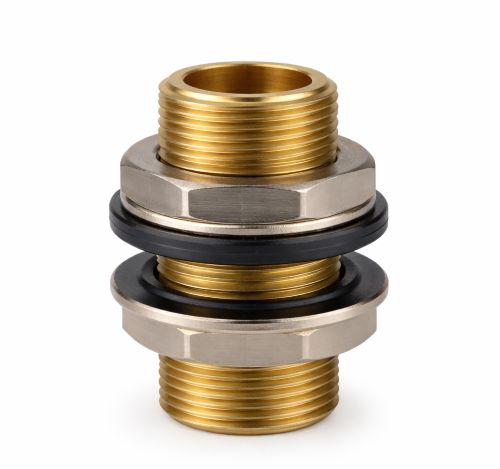
A bulkhead fitting is a specialized connector designed to allow fluid (liquid or gas) to pass securely through a wall, tank, or barrier. Its primary purpose is to create a watertight and leak-proof seal between two sides of a surface.
Key Components of a Bulkhead Fitting
A typical bulkhead fitting consists of:
1. Body – The main threaded section that passes through the hole
2. Gasket – A rubber or silicone seal that prevents leaks
3. Locknut – Tightens the fitting securely against the surface
Common Materials
Bulkhead fittings are available in a range of materials, including:
1. PVC (lightweight and corrosion-resistant)
2. Stainless steel (durable and strong)
3. Brass (good for high-pressure applications)
Typical Applications
Bulkhead fittings are commonly used in:
1. Water storage tanks
2. Aquariums and fish tanks
3. Industrial containers and vessels
4. Rainwater harvesting systems
In short, whenever fluid needs to pass through a solid barrier without leaking, a bulkhead fitting is the go-to solution.
What Is a Regular Fitting?
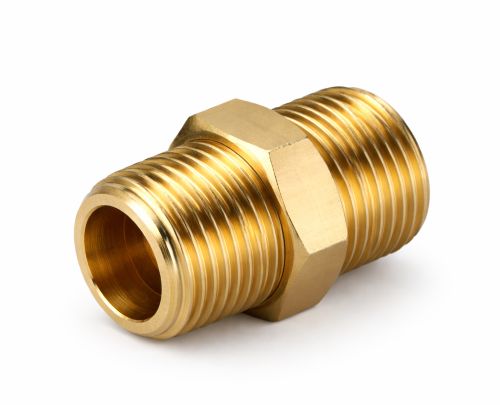
Regular fittings, also known as standard plumbing fittings, are used to connect pipes and control the direction or flow of fluids within a system. Unlike bulkhead fittings, they are not designed to pass through surfaces.
Common Types of Regular Fittings
1. Elbows – Change the direction of flow
2. Tees – Split or combine flow
3. Couplings – Connect two pipes
4. Adapters – Join different types or sizes of pipes
Purpose and Use
Regular fittings are essential for:
1. Extending pipe runs
2. Changing flow direction
3. Connecting different pipe materials
4. Creating branches in a system
Typical Installation
These fittings are installed within the piping system, not through walls or tanks. They rely on methods like threading, welding, or compression to create a seal.
Bulkhead Fitting vs Regular Fitting: Key Differences
Understanding the differences between these two types of fittings will help you choose the right one for your application.
1. Function
➡️ Bulkhead Fitting: Designed to pass fluid through a barrier (like a tank wall)
➡️ Regular Fitting: Designed to connect pipes within a system
2. Installation Location
➡️ Bulkhead: Installed through holes in walls, tanks, or panels
➡️ Regular: Installed along pipe runs
3. Sealing Mechanism
➡️ Bulkhead: Uses a gasket to create a watertight seal
➡️ Regular: Uses threads, sealants, welding, or compression fittings
4. Design and Structure
➡️ Bulkhead: Includes a flange, gasket, and locking nut
➡️ Regular: Simpler designs like elbows, tees, and couplings
5. Applications
➡️ Bulkhead: Tanks, aquariums, reservoirs, industrial vessels
➡️ Regular: Residential plumbing, irrigation, HVAC, industrial piping
6. Cost
➡️ Bulkhead fittings are typically more specialized and slightly more expensive
➡️ Regular fittings are mass-produced and generally more affordable
Advantages of Bulkhead Fittings
Bulkhead fittings offer several unique benefits:
1. Leak-Proof Sealing
Their gasket-based design ensures a tight, reliable seal even under pressure.
2. Ideal for Tanks and Containers
They are specifically built for applications where fluid must pass through a surface.
3. Easy Installation
No welding is required—just drill a hole, insert the fitting, and tighten the nut.
4. Durability
High-quality materials make them suitable for long-term use in demanding environments.
Advantages of Regular Fittings
Regular fittings remain the backbone of most plumbing systems for good reason:
1. Versatility
They come in a wide variety of shapes, sizes, and materials.
2. Cost-Effective
Standard fittings are generally inexpensive and widely available.
3. Easy Maintenance
They are easy to replace or modify as systems evolve.
4. Wide Application Range
From household plumbing to large-scale industrial systems, regular fittings are used everywhere.
When Should You Use a Bulkhead Fitting?
You should choose a bulkhead fitting when:
➡️ You need to pass fluid through a tank, wall, or container
➡️ A watertight seal is critical
➡️ You are working with liquid storage systems
➡️ You want a clean, professional installation without welding
Example Scenarios
➡️ Installing a drain outlet in a water tank
➡️ Creating an overflow system in an aquarium
➡️ Connecting piping to a chemical storage container
When Should You Use a Regular Fitting?
Regular fittings are the best choice when:
1. You are connecting pipes in a continuous system
2. You need to change direction or split flow
3. The system does not involve passing through a barrier
Example Scenarios
1. Plumbing in a house or building
2. Irrigation systems in agriculture
3. Industrial piping networks
Common Mistakes to Avoid
Even experienced users can make errors when selecting or installing fittings. Here are some common mistakes:
1. Using the Wrong Type
Trying to use a regular fitting in place of a bulkhead fitting can lead to leaks and system failure.
2. Improper Gasket Installation
For bulkhead fittings, placing the gasket incorrectly can compromise the seal.
3. Over-Tightening
Too much force can damage threads or deform the gasket.
4. Choosing the Wrong Material
Always consider compatibility with the fluid, pressure, and temperature.
Bulkhead vs Regular Fittings: Quick Comparison
|
Feature |
Bulkhead Fitting |
Regular Fitting |
|
Purpose |
Pass through surfaces |
Connect pipes |
|
Installation |
Through walls/tanks |
Along pipelines |
|
Sealing Method |
Gasket-based |
Threads/welds/compression |
|
Cost |
Higher |
Lower |
|
Typical Use |
Tanks, aquariums |
General plumbing |
How to Choose the Right Fitting
Selecting the correct fitting depends on several factors:
1. Application
Is the fluid passing through a wall or staying within pipes?
2. Pressure and Temperature
Ensure the fitting can handle system conditions.
3. Material Compatibility
Choose materials that won’t corrode or react with the fluid.
4. Installation Environment
Indoor, outdoor, or industrial settings may require different materials.
5. Budget
Balance cost with performance and durability.
FAQs
What is a bulkhead fitting used for?
A bulkhead fitting is used to allow fluid to pass through a wall or tank while maintaining a watertight seal.
Can I use a regular fitting instead of a bulkhead fitting?
No, regular fittings are not designed for passing through surfaces and may cause leaks if used incorrectly.
Are bulkhead fittings waterproof?
Yes, when installed correctly, bulkhead fittings provide a reliable watertight seal.
How do I install a bulkhead fitting correctly?
Drill a properly sized hole, insert the fitting, place the gasket correctly (usually on the flange side), and tighten the locknut securely.
Which material is best for bulkhead fittings?
It depends on the application, PVC for general use, stainless steel for durability, and brass for high-pressure systems.
Conclusion
While bulkhead fittings and regular fittings may look similar, their functions are entirely different. Bulkhead fittings are designed to create secure, leak-proof connections through walls and tanks, while regular fittings are used to connect and direct pipes within a system.
Choosing the right fitting isn’t just about cost, it’s about ensuring safety, efficiency, and long-term reliability. By understanding their differences and applications, you can make informed decisions for your plumbing or fluid system projects.
Post time: Apr-13-2026