

Hydraulic systems rely on secure, leak-free connections to operate safely and efficiently. One small but essential component that helps maintain system reliability is the hydraulic test fitting. These fittings make it possible to measure hydraulic pressure, troubleshoot performance issues, and perform routine maintenance without interrupting the entire system.
Among the many thread standards available, BSP (British Standard Pipe) and NPT (National Pipe Thread) are the two most commonly used for hydraulic test fittings. Although they may look similar at first glance, they differ in thread angle, sealing method, and compatibility. Using the wrong fitting can result in leaks, damaged threads, inaccurate pressure readings, and costly downtime.
In this guide, we’ll compare BSP hydraulic test fittings vs NPT test fittings, explain their differences, and help you determine which option is best for your hydraulic application.
What Are Hydraulic Test Fittings?
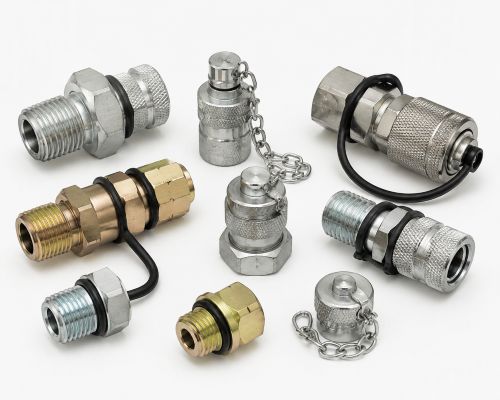
Hydraulic test fittings are specialized connectors designed to provide safe and convenient access to hydraulic systems for pressure testing and diagnostics. They allow technicians to connect pressure gauges, sensors, or diagnostic equipment without disconnecting hoses or dismantling the system.
Because hydraulic systems often operate under extremely high pressure, test fittings must provide a secure seal while allowing repeated testing throughout the equipment’s service life.
Why Are Hydraulic Test Fittings Important?
Hydraulic test fittings play a vital role in preventive maintenance by helping technicians:
1. Measure system pressure accurately
2. Detect pressure loss
3. Diagnose hydraulic faults
4. Verify pump performance
5. Monitor system efficiency
6. Reduce maintenance downtime
Instead of dismantling hydraulic lines, maintenance personnel can quickly connect diagnostic tools to the test point, making inspections faster and safer.
Common Applications
Hydraulic test fittings are used across a wide range of industries, including:
1. Construction equipment
2. Agricultural machinery
3. Mining equipment
4. Manufacturing plants
5. Marine hydraulic systems
6. Oil and gas equipment
7. Material handling equipment
8. Industrial automation
What Are BSP Hydraulic Test Fittings?
BSP (British Standard Pipe) hydraulic test fittings use thread standards originally developed in the United Kingdom. Today, BSP fittings are widely used across Europe, Asia, Australia, the Middle East, and many international hydraulic systems.
They are commonly found on imported machinery and equipment manufactured outside North America.
Types of BSP Threads
There are two primary BSP thread styles used in hydraulic applications.
1. BSPP (British Standard Pipe Parallel)
BSPP fittings feature straight parallel threads that do not create the seal through the threads themselves. Instead, sealing is achieved using:
➡️ O-rings
➡️ Bonded seals
➡️ Dowty washers
➡️ Copper washers
Because the sealing surface is separate from the threads, BSPP fittings provide reliable, repeatable sealing and are easy to install.
2. BSPT (British Standard Pipe Tapered)
BSPT fittings use tapered threads that tighten as they are screwed into the mating component. The seal is created through thread interference, sometimes with the help of a thread sealant depending on the application.
Key Features of BSP Hydraulic Test Fittings
1. Available in both parallel and tapered thread designs
2. 55-degree thread angle
3. Excellent sealing performance
4. Suitable for high-pressure hydraulic systems
5. Available in carbon steel and stainless steel
6. Compatible with numerous international hydraulic standards
Advantages of BSP Hydraulic Test Fittings
Excellent Leak Prevention
BSPP fittings use O-rings or bonded seals that create consistent, leak-resistant connections even after repeated installation.
Easy Maintenance
Since the threads do not provide the primary seal on BSPP fittings, they experience less wear over time, making maintenance easier.
High Reliability
These fittings are trusted in demanding hydraulic environments where pressure stability and leak prevention are critical.
Global Compatibility
Many European and Asian hydraulic manufacturers design equipment specifically for BSP fittings, making replacement parts readily available worldwide.
What Are NPT Test Fittings?
NPT (National Pipe Thread) is the most widely used pipe thread standard in the United States and Canada. It was developed to provide strong threaded connections capable of handling pressure in fluid and gas systems.
Unlike BSPP threads, NPT threads create the seal by tightening the tapered male and female threads together.
How NPT Threads Work
NPT fittings feature:
1. Tapered threads
2. 60-degree thread angle
3. Thread interference sealing
As the fitting is tightened, the tapered threads compress against one another, creating a pressure-tight seal.
To improve sealing performance, installers typically apply:
➡️ PTFE thread tape
➡️ Thread sealant paste
➡️ Hydraulic-compatible sealing compounds
Key Features of NPT Test Fittings
1. Tapered thread design
2. 60-degree thread angle
3. Strong mechanical grip
4. Excellent pressure resistance
5. Common throughout North America
6. Widely supported by domestic hydraulic equipment manufacturers
Advantages of NPT Test Fittings
Strong Thread Engagement
The tapered design creates a tight mechanical connection that resists vibration and movement.
Readily Available
NPT fittings are commonly stocked by hydraulic distributors throughout the United States and Canada.
Proven Performance
NPT has been used successfully in hydraulic, pneumatic, and industrial systems for decades.
Broad Equipment Compatibility
Many North American hydraulic manufacturers design pumps, valves, cylinders, and manifolds specifically for NPT connections.
BSP Hydraulic Test Fittings vs NPT Test Fittings
Although BSP and NPT fittings may appear similar, they differ in several important ways. Understanding these differences can help you avoid installation problems and costly hydraulic failures.
|
Feature |
BSP Hydraulic Test Fittings |
NPT Test Fittings |
|
Thread Standard |
British Standard Pipe |
National Pipe Thread |
|
Thread Angle |
55° |
60° |
|
Thread Type |
Parallel (BSPP) or Tapered (BSPT) |
Tapered Only |
|
Primary Sealing Method |
O-ring, bonded seal, or washer |
Thread interference with sealant |
|
Main Regions of Use |
Europe, Asia, Australia, Middle East |
United States and Canada |
|
Leak Resistance |
Excellent with proper seal |
Excellent when correctly installed |
|
Ease of Maintenance |
Easier due to separate sealing components |
Requires careful thread sealing |
|
Interchangeability |
Not compatible with NPT |
Not compatible with BSP |
One of the most common mistakes in hydraulic maintenance is assuming that BSP and NPT fittings can be used interchangeably. While their sizes may appear similar, their thread profiles, angles, and sealing methods are different. Attempting to connect mismatched fittings can damage the threads, create leaks, and compromise the safety and performance of the hydraulic system.
Understanding the Thread Differences
Although BSP and NPT hydraulic test fittings perform the same function, their thread designs are fundamentally different. These differences affect how each fitting seals, how it is installed, and whether it is compatible with your hydraulic system. Understanding these characteristics can help prevent leaks, damaged components, and unnecessary maintenance costs.
BSP Thread Design
BSP threads are available in two main styles:
BSPP (British Standard Pipe Parallel)
BSPP fittings use straight, parallel threads that do not create the seal through the threads themselves. Instead, the seal is formed using an O-ring, bonded seal, or sealing washer positioned between the fitting and the mating surface.
Because the threads are primarily responsible for holding the fitting in place rather than creating the seal, BSPP fittings are easier to install and can often be reused multiple times without compromising sealing performance.
BSPT (British Standard Pipe Tapered)
BSPT fittings feature tapered threads that tighten as they are screwed into the matching port. The sealing mechanism relies on thread interference, similar to NPT fittings, although the thread profile remains unique to the BSP standard.
BSP threads have a 55-degree thread angle, making them incompatible with NPT threads.
NPT Thread Design
NPT fittings use tapered threads designed to create a seal as the male and female threads tighten together. As the threads engage, they compress against each other, forming a pressure-tight connection.
To ensure a leak-free seal, NPT fittings typically require a sealing material such as:
➡️ PTFE thread tape
➡️ Hydraulic thread sealant
➡️ Pipe joint compound
Unlike BSPP fittings, NPT threads perform both the mechanical connection and the sealing function.
NPT fittings use a 60-degree thread angle, which is one of the primary reasons they cannot be interchanged with BSP fittings.
Why BSP and NPT Threads Are Not Compatible
Although BSP and NPT fittings may appear nearly identical in size, several important differences prevent them from being safely connected.
Different Thread Angles
➡️ BSP: 55°
➡️ NPT: 60°
Even a small difference in thread angle prevents the threads from mating correctly.
Different Thread Pitch
Many BSP and NPT fittings have different thread pitches, meaning the spacing between threads is not the same.
Different Sealing Methods
BSPP fittings rely on sealing washers or O-rings, while NPT fittings depend on thread interference and sealant. Using one fitting in the wrong port often prevents either sealing method from working properly.
Risk of Damage
Forcing incompatible fittings together can result in:
➡️ Damaged ports
➡️ Stripped threads
➡️ Hydraulic fluid leaks
➡️ Pressure loss
➡️ Equipment downtime
➡️ Expensive component replacement
How to Identify BSP and NPT Test Fittings
Correctly identifying the thread type is essential before replacing or installing a hydraulic test fitting.
Measure the Thread Diameter
Use calipers to measure the outside diameter of the male thread or the inside diameter of the female port.
Count the Thread Pitch
A thread pitch gauge allows you to determine the number of threads per inch (TPI) or the distance between threads.
Check the Thread Angle
Specialized thread gauges can determine whether the fitting has:
➡️ 55° BSP threads
➡️ 60° NPT threads
Inspect the Sealing Surface
Look for:
➡️ O-rings
➡️ Bonded seals
➡️ Copper washers
➡️ Flat sealing faces
These features often indicate a BSPP fitting.
Consult Manufacturer Specifications
The safest method is always to verify the thread specification in the equipment manual or manufacturer’s documentation.
Can BSP and NPT Test Fittings Be Used Together?
The simple answer is no.
Although they may seem similar, BSP and NPT fittings are manufactured to different engineering standards and are not interchangeable.
Attempting to connect them can lead to:
1. Hydraulic fluid leaks
2. Damaged threads
3. Inaccurate pressure readings
4. Premature component failure
5. Increased maintenance costs
6. Safety hazards in high-pressure systems
What Should You Do Instead?
If your hydraulic system requires a different thread type, consider the following options:
1. Use a certified BSP-to-NPT thread adapter.
2. Replace the fitting with the correct thread standard.
3. Confirm the thread specification before ordering replacement parts.
4. Never force mismatched fittings together, even if they appear to fit initially.
Using the correct hydraulic test fitting protects your equipment, improves reliability, and ensures accurate pressure testing throughout the life of the hydraulic system.
Tips for Choosing the Right Hydraulic Test Fitting
Selecting the correct hydraulic test fitting is essential for maintaining a safe, efficient, and leak-free hydraulic system. Choosing the wrong thread type or material can lead to pressure loss, equipment damage, and unnecessary maintenance expenses. Here are several factors to consider before purchasing hydraulic test fittings.
1. Identify the Thread Standard
The first step is determining whether your hydraulic equipment uses BSP or NPT threads. Never assume the thread type based solely on the fitting’s appearance. Instead, consult the equipment manual, manufacturer specifications, or use a thread gauge to verify compatibility.
2. Consider the Equipment’s Country of Origin
The thread standard often depends on where the equipment was manufactured.
➡️ BSP fittings are commonly found on machinery from Europe, Asia, Australia, and many international manufacturers.
➡️ NPT fittings are typically used on hydraulic equipment built for the United States and Canadian markets.
Knowing the equipment’s origin can help narrow down the correct thread standard.
3. Verify the Operating Pressure
Hydraulic systems operate under varying pressure levels, so it is important to select test fittings rated for your system’s maximum working pressure. Always choose fittings that meet or exceed the required pressure rating to ensure safe operation.
4. Select the Right Material
Hydraulic test fittings are available in different materials depending on the application.
Carbon Steel
➡️ High strength
➡️ Cost-effective
➡️ Suitable for most industrial hydraulic systems
➡️ Often zinc-plated for corrosion protection
Stainless Steel
➡️ Excellent corrosion resistance
➡️ Ideal for marine, food processing, and chemical applications
➡️ Performs well in harsh environments
Choosing the appropriate material helps maximize the service life of the fitting.
5. Ensure Proper Sealing Components
If you’re using BSPP hydraulic test fittings, inspect the O-ring, bonded seal, or sealing washer before installation. Worn or damaged sealing components can lead to leaks even when the fitting itself is in good condition.
6. Buy from a Trusted Supplier
Quality matters when selecting hydraulic components. Reputable manufacturers follow strict quality control standards, ensuring consistent thread accuracy, pressure performance, and durability.
Common Installation Mistakes to Avoid
Even high-quality hydraulic test fittings can fail if they are installed incorrectly. Avoiding these common mistakes can improve system reliability and reduce maintenance costs.
Mixing BSP and NPT Threads
One of the most common installation errors is attempting to connect BSP and NPT fittings. Although they may seem to fit together initially, the differences in thread angle, pitch, and sealing method prevent a proper seal and can permanently damage the threads.
Over-Tightening the Fitting
Applying excessive torque can deform sealing washers, damage threads, or crack hydraulic ports. Always tighten fittings according to the manufacturer’s recommended torque specifications.
Under-Tightening the Connection
If the fitting is not tightened sufficiently, hydraulic fluid may leak during operation, reducing system pressure and creating safety hazards.
Using the Wrong Thread Sealant
Not all thread sealants are suitable for hydraulic systems. Use only hydraulic-compatible sealants recommended by the equipment manufacturer, particularly for NPT fittings.
Reusing Damaged Sealing Washers
For BSPP fittings, sealing washers and O-rings should be inspected during maintenance. Replacing worn seals is a simple and inexpensive way to prevent leaks.
Ignoring Cleanliness
Dirt, metal particles, and debris can contaminate hydraulic systems during installation. Always clean the fitting and surrounding area before assembly to protect sensitive hydraulic components.
Maintenance Best Practices
Routine maintenance helps extend the life of hydraulic test fittings and ensures accurate pressure testing throughout the system’s service life.
Inspect for Hydraulic Leaks
Regularly check test fittings for signs of fluid leakage, especially after maintenance or pressure testing. Addressing small leaks early can prevent more significant failures.
Examine Thread Condition
Inspect threads for wear, corrosion, or physical damage. Replace fittings with damaged threads to maintain secure and reliable connections.
Replace Sealing Components
O-rings, bonded seals, and sealing washers naturally wear over time. Replacing these inexpensive components during routine maintenance helps maintain leak-free performance.
Keep Test Ports Clean
Install protective dust caps whenever test ports are not in use. This prevents dirt and moisture from entering the hydraulic system.
Verify Tightening Torque
Over time, vibration may loosen hydraulic connections. Periodically verify that fittings remain tightened according to manufacturer recommendations.
Schedule Preventive Hydraulic Testing
Routine pressure testing allows technicians to identify pump wear, pressure losses, and valve issues before they result in equipment failure or costly downtime.
Frequently Asked Questions (FAQs)
1. What is the main difference between BSP and NPT hydraulic test fittings?
The primary difference is the thread design. BSP fittings use a 55-degree thread angle and may have parallel or tapered threads, while NPT fittings use a 60-degree tapered thread. Their sealing methods also differ, making them incompatible with one another.
2. Can BSP and NPT hydraulic test fittings be connected together?
No. BSP and NPT fittings should never be connected directly because their thread angles, thread pitches, and sealing methods are different. If both thread types must be used in the same system, install a certified thread adapter designed for that purpose.
3. Which thread type provides better sealing?
Both thread standards provide reliable sealing when installed correctly. BSPP fittings often offer more consistent sealing because they rely on O-rings or bonded seals, while NPT fittings depend on tapered thread interference combined with thread sealant.
4. Are BSP hydraulic test fittings suitable for high-pressure hydraulic systems?
Yes. High-quality BSP hydraulic test fittings are designed for demanding hydraulic applications and are widely used in construction, agriculture, manufacturing, and industrial equipment.
5. How can I identify whether my fitting is BSP or NPT?
You can identify the thread type by measuring the thread diameter, checking the thread pitch, inspecting the thread angle, or referring to the equipment manufacturer’s specifications. A thread gauge is the most accurate tool for identification.
6. Do NPT fittings always require thread sealant?
In most hydraulic applications, yes. PTFE tape or a hydraulic-compatible thread sealant is typically recommended to ensure a leak-free connection.
7. Are BSP hydraulic test fittings used worldwide?
Yes. BSP fittings are widely used throughout Europe, Asia, Australia, the Middle East, and many international markets, making them one of the most common hydraulic thread standards globally.
8. Which hydraulic test fitting should I choose?
The correct choice depends on your hydraulic equipment’s thread specification. Always use the thread standard recommended by the equipment manufacturer to ensure proper sealing, reliable performance, and safe operation.
Conclusion
Choosing between BSP hydraulic test fittings and NPT test fittings comes down to your equipment’s thread standard. While both are designed for hydraulic pressure testing, they have different thread angles, sealing methods, and are not interchangeable.
Before installing or replacing a fitting, always verify the thread type and use the correct component for your hydraulic system. Using the right hydraulic test fitting helps ensure accurate pressure readings, prevents leaks, and keeps your equipment operating safely and efficiently.
Post time: Aug-07-2026