

Hydraulic systems power some of the world’s most demanding machinery from construction equipment and factory presses to agricultural vehicles and industrial automation systems. At the heart of these systems is a network of pipes, tubes, and fittings that safely transport pressurized fluid. Among these essential fittings is the hydraulic branch tee, a small but critical component that enables efficient fluid distribution.
In this article, we’ll explore what a hydraulic branch tee is, how it works, its applications, materials, and how to choose the right one for your system.
What Is a Hydraulic Branch Tee?
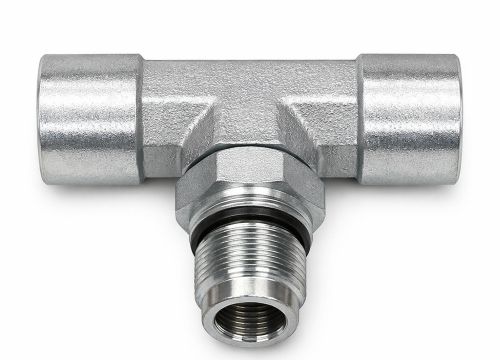
A hydraulic branch tee is a three-way fitting designed to connect three sections of pipe or tubing within a hydraulic system. It allows hydraulic fluid to branch off from a main line into a secondary line while maintaining system pressure and performance.
A hydraulic branch tee typically consists of:
1. One inlet port (main run)
2. One outlet port continuing the main flow
3. One perpendicular branch outlet
The fitting forms a “T” shape, which is where it gets its name.
Common Types of Hydraulic Branch Tees
1. Equal Tee — The dimensions of the three ports are same.
2. Reducing Tee – The branch port is a different size than the main line.
3. Threaded Tee – Uses threaded connections (NPT, BSP, etc.).
4. Welded Tee – Permanently welded into the piping system.
5. Flanged Tee – Connected with bolts and flanges for high-pressure systems.
Each type serves different operational and installation requirements.
How Does a Hydraulic Branch Tee Work?
A hydraulic branch tee works by redirecting a portion of hydraulic fluid from the main pipeline into a secondary line. It ensures smooth distribution without significantly disrupting pressure or flow balance.
1. Fluid Flow Distribution
In a hydraulic system, pressurized fluid travels through a main pipeline. When a branch tee is installed:
➡️ The main flow continues straight through the run ports.
➡️ A portion of the fluid is diverted through the branch port.
➡️ The system maintains continuous circulation.
The amount of fluid entering the branch depends on system pressure, resistance, and downstream demand.
2. Pressure and Flow Considerations
Hydraulic systems operate under high pressure, often ranging from 1,000 to over 5,000 PSI depending on the application. A properly selected branch tee:
➡️ Minimizes pressure drop
➡️ Maintains structural integrity under load
➡️ Ensures balanced flow distribution
Incorrect sizing can cause turbulence, excessive pressure loss, or system inefficiency.
3. Sealing Mechanisms
Proper sealing is essential to prevent leaks in high-pressure environments. Common sealing methods include:
➡️ Threaded sealing (NPT, BSPT)
➡️ O-ring Face Seal (ORFS)
➡️ Flanged connections
➡️ Welded joints
The sealing method depends on system pressure, maintenance requirements, and industry standards.
Materials Used in Hydraulic Branch Tees
Material selection plays a major role in performance, durability, and corrosion resistance.
Carbon Steel
1. High strength
2. Cost-effective
3. Suitable for high-pressure systems
Stainless Steel
1. Excellent corrosion resistance
2. Ideal for harsh environments
3. Common in marine or chemical industries
Brass
1. Good corrosion resistance
2. Used in lower-pressure applications
Alloy Steel
1. Enhanced strength
2. Designed for extreme pressure conditions
Choosing the right material ensures long service life and safe operation.
Applications of Hydraulic Branch Tees
Hydraulic branch tees are widely used across multiple industries.
Industrial Machinery
➡️ Hydraulic presses
➡️ Injection molding machines
➡️ Manufacturing automation systems
Construction Equipment
➡️ Excavators
➡️ Loaders
➡️ Bulldozers
➡️ Cranes
Oil and Gas Industry
➡️ High-pressure fluid transport systems
➡️ Drilling equipment
Agricultural Equipment
➡️ Tractors
➡️ Harvesters
➡️ Irrigation machinery
In each case, the branch tee allows fluid power to be distributed efficiently to multiple actuators or subsystems.
Advantages of Using a Hydraulic Branch Tee
Hydraulic branch tees offer several important benefits:
Efficient Fluid Distribution
They allow a single hydraulic line to serve multiple functions.
Compact System Design
The tee configuration reduces the need for complex piping layouts.
Easy Installation
Threaded and flanged options simplify assembly and maintenance.
Cost-Effective Expansion
Adding a branch tee is often more economical than redesigning a full hydraulic circuit.
Reliable High-Pressure Performance
When properly selected, they handle extreme pressure safely.
Key Factors to Consider When Choosing a Hydraulic Branch Tee
Selecting the correct branch tee is critical for system reliability.
1. Pressure Rating
Always ensure the fitting matches or exceeds your system’s maximum operating pressure.
2. Size Compatibility
Match port sizes to your hydraulic tubing or pipe to avoid pressure loss.
3. Connection Type
Choose between threaded, welded, or flanged connections based on maintenance and pressure requirements.
4. Operating Temperature
Verify material compatibility with system temperature ranges.
5. Corrosion Resistance
Consider environmental exposure such as moisture, chemicals, or salt.
6. Industry Standards Compliance
Ensure compliance with relevant standards such as SAE, ISO, or DIN specifications.
Common Installation Mistakes to Avoid
Improper installation can lead to leaks or system failure.
1. Using incorrect size fittings
2. Over-tightening threaded connections
3. Ignoring torque specifications
4. Failing to use proper sealants
5. Installing misaligned piping
6. Using fittings with insufficient pressure ratings
Following manufacturer guidelines significantly reduces risk.
Maintenance and Inspection Tips
Routine inspection helps extend service life and prevent unexpected downtime.
1. Check regularly for leaks
2. Inspect for corrosion or cracks
3. Monitor for unusual vibration
4. Verify torque settings periodically
5. Replace damaged seals immediately
Preventive maintenance is far less costly than system failure.
Frequently Asked Questions
What is the difference between a branch tee and a standard tee?
In many cases, the terms are used interchangeably. However, a hydraulic branch tee is specifically designed for high-pressure hydraulic applications.
Can a hydraulic branch tee handle high pressure?
Yes, when manufactured from high-strength materials and rated appropriately, it can withstand extremely high pressures.
How do I determine the correct size?
Match the tee’s port sizes with your existing hydraulic lines and confirm compatibility with system flow requirements.
Are hydraulic branch tees reusable?
Threaded types may be reusable if undamaged, but always inspect sealing surfaces before reinstallation.
Conclusion
A hydraulic branch tee may seem like a simple component, but it plays a vital role in hydraulic system efficiency, flexibility, and safety. By allowing fluid to branch from a main line into secondary circuits, it enables complex machinery to operate smoothly and reliably.
Understanding how a hydraulic branch tee works, including proper sizing, material selection, and installation, ensures optimal system performance and long-term durability.
If you are designing or upgrading a hydraulic system, choosing the right branch tee is a small decision that makes a big difference in overall performance and reliability.
Post time: Feb-17-2026