

In hydraulic and fluid transfer systems, the reliability of every connection plays a critical role in overall system performance. Even a minor leak can lead to reduced efficiency, increased maintenance costs, equipment downtime, and potential safety hazards. This is why engineers and maintenance professionals rely on high-quality fittings that provide secure, leak-free connections under demanding operating conditions.
Among the many fitting solutions available today, bite type swivel fittings have become a preferred choice across industries due to their durability, ease of installation, and excellent sealing performance. These fittings are specifically designed to withstand high pressure, vibration, and movement while maintaining connection integrity.
In this article, we’ll explore what bite type swivel fittings are, their key features, advantages, and the industries that commonly use them.
What Are Bite Type Swivel Fittings?
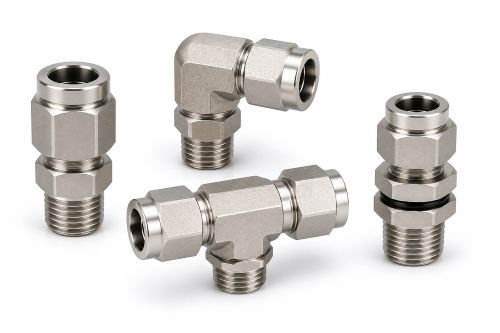
Bite type swivel fittings are specialized hydraulic fittings designed to create a secure mechanical connection between tubing and hydraulic components. They combine the proven sealing capabilities of bite type fittings with the flexibility of a swivel connection.
The term “bite type” refers to the fitting’s cutting ring or ferrule, which bites into the outer surface of the tube during installation. This creates a strong mechanical grip and reliable seal capable of handling high-pressure applications.
The swivel feature allows the fitting to rotate during assembly, making installation easier and reducing stress on tubing. This design helps prevent tube twisting, which can otherwise lead to premature wear or connection failure.
Main Components of a Bite Type Swivel Fitting
A typical bite type swivel fitting consists of several essential components:
1. Fitting body
2. Nut
3. Bite ring or ferrule
4. Swivel connection
5. Sealing surfaces
Each component works together to provide a secure, leak-resistant connection suitable for demanding industrial environments.
Key Features of Bite Type Swivel Fittings
1. Leak-Free Sealing Performance
One of the most important features of bite type swivel fittings is their ability to create a dependable, leak-free seal. The bite ring grips the tubing securely while forming a tight connection that minimizes fluid leakage.
This sealing mechanism is particularly valuable in hydraulic systems where even small leaks can result in pressure loss and reduced system efficiency.
2. Swivel Design for Easy Installation
The integrated swivel connection allows the fitting to rotate independently during installation. This simplifies assembly, especially in confined spaces or complex hydraulic systems.
By eliminating the need to rotate the tubing itself, swivel fittings reduce installation time and minimize stress on connected components.
3. High Pressure Capability
Bite type swivel fittings are engineered to handle demanding pressure requirements. Their robust construction makes them suitable for hydraulic systems operating under high pressure and frequent pressure fluctuations.
This capability makes them a trusted solution in industries where system reliability is essential.
4. Excellent Vibration Resistance
Industrial equipment often operates in environments subject to constant vibration and movement. Traditional fittings may loosen over time under these conditions.
Bite type swivel fittings are designed to resist vibration-induced loosening, helping maintain connection integrity and reducing maintenance requirements.
5. Durable Construction Materials
Manufacturers typically produce bite type swivel fittings using high-strength materials such as:
➡️ Carbon steel
➡️ Stainless steel
➡️ Brass
These materials provide excellent mechanical strength, corrosion resistance, and long-term durability, ensuring reliable performance even in harsh operating environments.
6. Easy Maintenance and Serviceability
Unlike welded connections, bite type swivel fittings can be disassembled and serviced when necessary. This simplifies maintenance procedures and reduces downtime during repairs or system modifications.
7. Broad Compatibility
These fittings are compatible with a wide range of tubing materials and hydraulic systems, making them versatile enough for numerous industrial applications.
Advantages of Bite Type Swivel Fittings
Enhanced System Reliability
Reliable connections are critical for maintaining hydraulic system performance. Bite type swivel fittings provide a secure mechanical grip that helps prevent failures caused by vibration, pressure changes, or installation errors.
As a result, equipment operators experience fewer interruptions and more consistent performance.
Reduced Leakage Risks
Fluid leaks can lead to product loss, environmental concerns, and workplace safety hazards. The strong sealing mechanism of bite type swivel fittings significantly reduces the risk of leakage, helping maintain system efficiency and compliance with safety standards.
Faster Installation
The swivel design simplifies assembly and alignment, allowing technicians to complete installations more quickly. Faster installation translates into lower labor costs and reduced equipment downtime.
Lower Maintenance Costs
Because these fittings are highly durable and resistant to loosening, they typically require less maintenance than alternative connection methods. Their long service life contributes to reduced operating costs over time.
Improved Equipment Performance
A secure hydraulic connection supports stable pressure levels and consistent fluid flow throughout the system. This leads to improved equipment performance, greater efficiency, and enhanced productivity.
Adaptability Across Applications
Whether operating in high-pressure environments, corrosive conditions, or vibration-prone machinery, bite type swivel fittings offer the flexibility needed to meet diverse industrial requirements.
Common Uses of Bite Type Swivel Fittings
Hydraulic Systems
Hydraulic systems represent one of the most common applications for bite type swivel fittings. They are frequently used in:
1. Hydraulic power units
2. Hydraulic cylinders
3. Pumps and valves
4. Fluid transfer lines
Their ability to maintain secure connections under pressure makes them ideal for these demanding systems.
Manufacturing Equipment
Modern manufacturing facilities rely heavily on hydraulic and pneumatic systems. Bite type swivel fittings are commonly found in:
➡️ CNC machines
➡️ Automated production lines
➡️ Robotics systems
➡️ Material handling equipment
These applications benefit from the fittings’ reliability and ease of maintenance.
Oil and Gas Industry
The oil and gas sector requires components capable of withstanding extreme operating conditions. Bite type swivel fittings are often used in:
➡️ Hydraulic control systems
➡️ Fluid transfer networks
➡️ Drilling equipment
➡️ Processing facilities
Their durability and leak-resistant performance make them suitable for these critical applications.
Agricultural Machinery
Agricultural equipment operates in challenging outdoor environments and frequently experiences vibration and movement.
Common applications include:
➡️ Tractors
➡️ Harvesters
➡️ Sprayers
➡️ Irrigation systems
The robust design of bite type swivel fittings helps ensure dependable operation throughout demanding farming seasons.
Transportation and Heavy Equipment
Heavy-duty vehicles and transportation systems often incorporate hydraulic technologies. Bite type swivel fittings are widely used in:
1. Construction equipment
2. Mining machinery
3. Heavy trucks
4. Rail systems
Their vibration resistance is particularly valuable in mobile equipment applications.
Marine Applications
Marine environments expose equipment to moisture, corrosion, and constant motion. Stainless steel bite type swivel fittings are often selected for:
1. Shipboard hydraulic systems
2. Offshore platforms
3. Marine fluid transfer systems
Their corrosion resistance helps extend service life in these demanding environments.
Bite Type Swivel Fittings vs. Other Fitting Types
Bite Type vs. Compression Fittings
While both fitting types provide mechanical connections, bite type fittings generally offer superior performance in high-pressure applications. Their cutting ring creates a stronger grip on the tubing, enhancing reliability under demanding conditions.
Bite Type vs. Flared Fittings
Flared fittings require tube flaring during installation, adding extra preparation steps. Bite type swivel fittings simplify installation while providing excellent vibration resistance and sealing performance.
Bite Type vs. Welded Connections
Welded connections can offer permanent sealing but require specialized equipment and skilled labor. Bite type swivel fittings provide a more flexible and serviceable alternative while still delivering excellent reliability.
How to Choose the Right Bite Type Swivel Fitting
Selecting the appropriate fitting requires careful consideration of several factors:
Operating Pressure
Always choose a fitting with a pressure rating that meets or exceeds the system’s operating requirements.
Material Compatibility
Ensure the fitting material is compatible with both the tubing and the fluid being conveyed.
Tube Size
Verify that the fitting matches the tubing diameter and wall thickness specifications.
Environmental Conditions
Consider factors such as:
1. Corrosion exposure
2. Temperature extremes
3. Chemical compatibility
4. Outdoor installation requirements
Industry Standards
Choose fittings that comply with applicable industry standards and certifications to ensure safety and performance.
Installation Best Practices
To maximize performance and service life, follow these installation guidelines:
Prepare the Tubing Properly
➡️ Cut tubing squarely.
➡️ Remove burrs and sharp edges.
➡️ Clean the tube thoroughly before assembly.
Follow Assembly Instructions
Always follow manufacturer-recommended assembly procedures and tightening specifications.
Apply Correct Torque
Over-tightening can damage components, while under-tightening may compromise sealing performance. Use proper torque values whenever possible.
Perform Leak Testing
After installation, conduct pressure testing and visual inspections to verify system integrity before operation.
Maintenance Tips for Long-Term Performance
Although bite type swivel fittings require relatively little maintenance, routine inspections can help prevent unexpected issues.
Recommended maintenance practices include:
1. Inspect connections regularly for leaks.
2. Check for signs of corrosion or wear.
3. Verify fitting tightness during scheduled maintenance.
4. Replace damaged components immediately.
5. Follow manufacturer maintenance recommendations.
These simple steps can significantly extend fitting life and improve overall system reliability.
Conclusion
Bite type swivel fittings have become a trusted solution for hydraulic and fluid transfer systems across numerous industries. Their combination of secure bite-type sealing and swivel functionality delivers exceptional performance in high-pressure, vibration-prone environments.
Key benefits include leak-free operation, simplified installation, enhanced reliability, reduced maintenance costs, and broad application versatility. Whether used in manufacturing equipment, hydraulic systems, agricultural machinery, transportation vehicles, or marine applications, these fittings help ensure safe and efficient system operation.
By selecting the appropriate bite type swivel fitting and following proper installation and maintenance practices, businesses can improve equipment performance, minimize downtime, and achieve long-term operational success.
Post time: Jun-22-2026