

Hydraulic systems operate under high pressure, making every component essential to safe and efficient performance. While pumps, valves, and hoses often receive the most attention, smaller components like caps and plugs are equally important. They help prevent fluid leaks, protect hydraulic ports from contamination, and maintain the integrity of the system during operation, maintenance, or transportation.
When choosing hydraulic sealing components, two common options are Bite Type Caps and Plugs and Standard Hydraulic Caps. Although both are designed to close or protect hydraulic connections, they differ significantly in how they seal, where they are used, and how well they perform under demanding conditions.
Understanding these differences can help engineers, maintenance professionals, and equipment owners choose the right solution for their hydraulic applications. In this guide, we’ll compare Bite Type Caps and Plugs with Standard Hydraulic Caps, covering their features, advantages, applications, and key factors to consider before making a purchase.
What Are Bite Type Caps and Plugs?
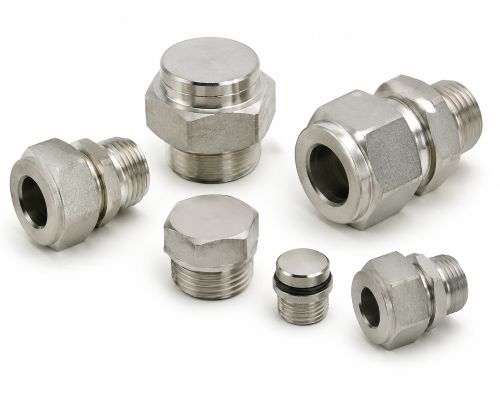
Bite Type Caps and Plugs are hydraulic sealing components specifically designed for compression tube fitting systems. They are commonly used in hydraulic installations that follow DIN 2353 or ISO 8434 standards.
Unlike conventional threaded caps, these fittings use a cutting ring, also known as a bite ring, that grips the outside of the hydraulic tube when tightened. This mechanical connection creates a strong, leak-resistant seal capable of handling high-pressure applications.
Rather than simply covering an opening, Bite Type Caps and Plugs become an integral part of the hydraulic connection, making them ideal for permanent or long-term installations.
Key Features of Bite Type Caps and Plugs
1. Secure Compression Seal
The defining feature of bite type fittings is their compression sealing mechanism. As the fitting is tightened, the cutting ring bites into the tube, creating a tight mechanical seal that minimizes the risk of leaks.
2. Excellent Pressure Resistance
These caps and plugs are built for demanding hydraulic environments. They perform reliably in systems operating under high pressure and continuous vibration.
3. Strong Vibration Resistance
Heavy equipment frequently experiences constant movement and vibration. Bite Type Caps and Plugs maintain their sealing performance even under these challenging operating conditions.
4. Long Service Life
Manufactured from high-strength carbon steel or stainless steel, these fittings offer excellent durability and can withstand repeated pressure cycles without losing performance.
5. Corrosion Protection
Many Bite Type Caps and Plugs feature zinc plating or stainless steel construction to resist rust and corrosion, making them suitable for outdoor and harsh industrial environments.
What Are Standard Hydraulic Caps?
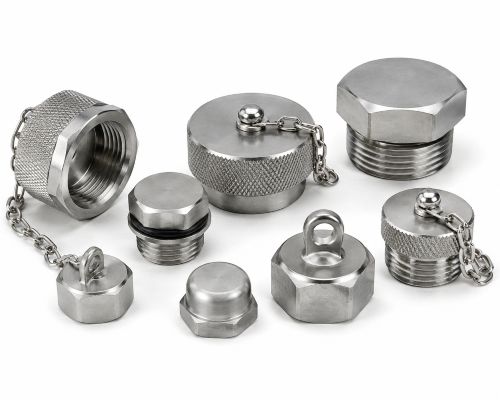
Standard Hydraulic Caps are threaded sealing components designed to protect hydraulic ports, fittings, valves, and adapters. They are commonly used during equipment storage, transportation, maintenance, and general hydraulic system operation.
Unlike Bite Type Caps and Plugs, standard hydraulic caps rely on threaded connections or O-ring seals rather than compression fittings. They are available in a wide variety of thread standards, including BSP, BSPT, JIC, NPT, SAE, ORFS, and metric threads.
Their primary purpose is to seal hydraulic openings, prevent contamination, and reduce fluid leakage.
Key Features of Standard Hydraulic Caps
1. Simple Threaded Design
Standard hydraulic caps are easy to install and remove using basic tools. Most applications require only tightening the threaded cap onto the hydraulic port.
2. Wide Compatibility
These caps are available in numerous thread sizes and standards, allowing them to fit a broad range of hydraulic equipment.
3. Cost-Effective Solution
Standard hydraulic caps are generally less expensive than bite type fittings, making them an economical choice for routine hydraulic maintenance.
4. Effective Protection
Although simpler in design, they provide excellent protection against dust, dirt, moisture, and accidental fluid loss.
5. Multiple Material Options
Manufacturers offer standard hydraulic caps in carbon steel, stainless steel, brass, and plastic depending on application requirements.
Bite Type Caps and Plugs vs Standard Hydraulic Caps: Key Differences
Although these components may appear similar at first glance, their design and performance vary considerably.
1. Sealing Mechanism
The biggest difference lies in how each component creates a seal.
Bite Type Caps and Plugs use a compression ring that bites into the hydraulic tube during installation. This creates a mechanical seal capable of resisting both pressure and vibration.
Standard Hydraulic Caps, on the other hand, rely on threaded engagement or an O-ring to create the seal. While effective for many applications, they do not provide the same mechanical grip as compression fittings.
Winner: Bite Type Caps and Plugs for maximum sealing reliability.
2. Installation Method
Installing Bite Type Caps and Plugs requires assembling the compression fitting correctly. The cutting ring must be tightened according to the manufacturer’s specifications to achieve proper sealing.
Standard Hydraulic Caps are considerably easier to install. In most cases, they simply screw into the hydraulic port until securely tightened.
For maintenance technicians performing frequent inspections, standard caps offer greater convenience.
Winner: Standard Hydraulic Caps for easier installation.
3. Pressure Performance
Hydraulic systems often operate at pressures exceeding several thousand PSI. Under these conditions, sealing performance becomes extremely important.
Bite Type Caps and Plugs are specifically engineered for high-pressure hydraulic tubing systems. Their compression seal provides excellent resistance to pressure spikes and repeated load cycles.
Standard Hydraulic Caps can also handle high pressure when properly selected, but their pressure capability depends on the thread type, sealing method, and overall design.
For critical hydraulic applications where pressure is consistently high, Bite Type Caps and Plugs generally provide greater confidence.
Winner: Bite Type Caps and Plugs.
4. Leak Resistance
Fluid leaks can lead to expensive repairs, environmental concerns, and unexpected downtime.
Because the cutting ring physically grips the hydraulic tube, Bite Type Caps and Plugs offer exceptional leak prevention. Even under continuous vibration, the compression seal remains highly effective.
Standard Hydraulic Caps also provide reliable sealing, particularly those equipped with O-rings. However, repeated loosening, improper torque, or damaged threads may eventually compromise their sealing ability.
Winner: Bite Type Caps and Plugs.
5. Resistance to Vibration
Construction equipment, mining machinery, agricultural tractors, and industrial hydraulic systems often experience constant vibration.
The compression connection used by Bite Type Caps and Plugs minimizes movement between components, helping maintain a secure seal even in demanding environments.
Threaded hydraulic caps may gradually loosen over time if exposed to severe vibration without proper locking methods.
Winner: Bite Type Caps and Plugs.
6. Reusability and Maintenance
Maintenance is an important consideration when selecting hydraulic sealing components, especially for equipment that undergoes regular inspections or servicing.
Bite Type Caps and Plugs are designed for long-term use and can often be reused if the cutting ring and sealing surfaces remain undamaged. However, they should always be inspected carefully before reinstallation. Any signs of wear, deformation, or corrosion can reduce sealing performance and should be addressed by replacing the affected parts.
Standard Hydraulic Caps are also reusable, but their lifespan depends on the condition of the threads and sealing elements. Caps with worn threads or damaged O-rings should be replaced to prevent leaks and maintain system integrity.
For applications requiring frequent removal and reinstallation, standard hydraulic caps may offer greater convenience. For permanent hydraulic tubing installations, Bite Type Caps and Plugs provide superior long-term reliability.
Winner: Draw—each option excels in different maintenance scenarios.
7. Cost Comparison
Budget is always a factor when selecting hydraulic components.
Standard Hydraulic Caps generally have a lower purchase price because of their simpler design and manufacturing process. They are an economical choice for general-purpose applications, maintenance work, and hydraulic system protection.
Bite Type Caps and Plugs usually cost more upfront due to their precision machining and compression fitting design. However, their superior sealing performance, reduced maintenance requirements, and longer service life often result in lower ownership costs over time.
If minimizing downtime and preventing hydraulic leaks are priorities, investing in Bite Type Caps and Plugs can provide greater long-term value.
Winner: Standard Hydraulic Caps for initial cost; Bite Type Caps and Plugs for long-term value.
Bite Type Caps and Plugs vs Standard Hydraulic Caps: Feature Comparison
|
Feature |
Bite Type Caps and Plugs |
Standard Hydraulic Caps |
|
Sealing Method |
Compression bite ring |
Threaded or O-ring seal |
|
Pressure Capability |
Excellent |
Good to Excellent |
|
Leak Resistance |
Excellent |
Good |
|
Vibration Resistance |
Excellent |
Moderate |
|
Installation |
Compression assembly |
Simple threaded installation |
|
Reusability |
High |
High (depends on thread condition) |
|
Best For |
Permanent hydraulic tubing |
Hydraulic ports and equipment protection |
|
Initial Cost |
Higher |
Lower |
|
Long-Term Reliability |
Excellent |
Good |
Advantages of Bite Type Caps and Plugs
1. Superior Leak Prevention
The compression sealing mechanism provides an exceptionally secure connection that minimizes the possibility of hydraulic fluid leakage.
2. Outstanding Vibration Resistance
These fittings remain securely fastened even in machinery exposed to continuous shock and vibration.
3. Ideal for High-Pressure Systems
Their robust construction makes them well suited for demanding hydraulic applications in industries such as construction, mining, manufacturing, and offshore equipment.
4. Longer Service Life
High-quality materials and durable construction help reduce replacement frequency and maintenance costs.
5. Improved System Reliability
By maintaining a tight seal over long operating periods, Bite Type Caps and Plugs contribute to improved hydraulic system efficiency and reduced downtime.
Advantages of Standard Hydraulic Caps
1. Affordable Solution
Standard Hydraulic Caps are a cost-effective option for many hydraulic applications and maintenance tasks.
2. Easy Installation
Most threaded caps can be installed quickly using standard hand tools, reducing maintenance time.
3. Wide Range of Sizes
Available in numerous thread standards and dimensions, they are compatible with a broad variety of hydraulic systems.
4. Excellent Contamination Protection
They effectively prevent dust, dirt, moisture, and debris from entering open hydraulic ports.
5. Readily Available
Because they are widely used throughout the hydraulic industry, replacement parts are easy to source.
Common Applications
Applications for Bite Type Caps and Plugs
Bite Type Caps and Plugs are commonly used in hydraulic tubing systems where long-term sealing performance is critical.
Typical applications include:
1. Industrial hydraulic machinery
2. Construction equipment
3. Mining machinery
4. Agricultural equipment
5. Hydraulic power units
6. Manufacturing automation systems
7. Mobile hydraulic equipment
8. Heavy-duty hydraulic tube assemblies
Applications for Standard Hydraulic Caps
Standard Hydraulic Caps are frequently used for protecting hydraulic ports and preventing contamination during storage or maintenance.
Common applications include:
1. Hydraulic hose assemblies
2. Pumps and motors
3. Control valves
4. Hydraulic cylinders
5. Hydraulic manifolds
6. Equipment shipping and transportation
7. Maintenance and repair operations
8. General hydraulic systems
How to Choose the Right Option
Selecting the right hydraulic sealing component depends on your application’s operating conditions and performance requirements.
Choose Bite Type Caps and Plugs if:
1. Your hydraulic system operates under high pressure.
2. Leak prevention is a top priority.
3. Equipment experiences constant vibration.
4. Long-term reliability is essential.
5. You’re working with compression tube fitting systems.
Choose Standard Hydraulic Caps if:
1. You need an economical solution.
2. Quick installation and removal are important.
3. The application involves standard threaded hydraulic ports.
4. Equipment requires temporary sealing during maintenance or storage.
5. Your hydraulic system operates under moderate conditions.
Factors to Consider Before Buying
Before purchasing hydraulic caps or plugs, consider the following factors to ensure proper performance and compatibility:
1. Operating Pressure
Verify that the cap or plug is rated for your hydraulic system’s maximum operating pressure.
2. Thread or Tube Compatibility
Choose components that match the correct thread standard or tube size, such as DIN, BSP, SAE, JIC, NPT, ORFS, or Metric.
3. Material Selection
Carbon steel provides excellent strength and value, while stainless steel offers superior corrosion resistance for harsh environments.
4. Hydraulic Fluid Compatibility
Ensure the sealing materials are compatible with the hydraulic fluid used in your system.
5. Environmental Conditions
Applications exposed to moisture, chemicals, saltwater, or extreme temperatures may require corrosion-resistant materials or protective coatings.
6. Industry Standards
Select products manufactured according to recognized standards such as DIN, ISO, or SAE to ensure consistent quality and compatibility.
Common Mistakes to Avoid
Choosing the wrong sealing component can lead to unnecessary maintenance costs and reduced system performance. Avoid these common mistakes:
1. Using a cap that is not designed for your operating pressure.
2. Mixing incompatible thread standards.
3. Installing Bite Type Caps and Plugs without following the recommended assembly procedure.
4. Reusing damaged cutting rings or worn O-rings.
5. Overtightening threaded caps, which can damage threads and sealing surfaces.
6. Ignoring signs of corrosion or mechanical wear during inspections.
By selecting the correct component and installing it properly, you can significantly extend the life of your hydraulic system.
Frequently Asked Questions
Are Bite Type Caps and Plugs better than Standard Hydraulic Caps?
Not necessarily. Bite Type Caps and Plugs are better suited for high-pressure hydraulic tubing systems where maximum leak resistance and vibration performance are required. Standard Hydraulic Caps are ideal for protecting threaded hydraulic ports and are more economical for general applications.
Can Bite Type Caps and Plugs be reused?
Yes. If the fitting components remain in good condition and show no signs of wear, deformation, or corrosion, they can often be reused. Always inspect them carefully before reinstallation.
Which option is better for high-pressure hydraulic systems?
Bite Type Caps and Plugs generally provide better sealing performance in high-pressure applications because their compression fitting design creates a secure mechanical connection.
Do Standard Hydraulic Caps prevent contamination?
Yes. They effectively protect hydraulic ports from dirt, moisture, dust, and other contaminants during storage, transportation, and maintenance.
How do I choose the correct hydraulic cap?
Consider factors such as pressure rating, thread standard, material, hydraulic fluid compatibility, operating environment, and applicable industry standards before making your selection.
Conclusion
Although Bite Type Caps and Plugs and Standard Hydraulic Caps serve similar purposes, they are designed for different hydraulic applications. Bite Type Caps and Plugs excel in high-pressure tubing systems where leak prevention, vibration resistance, and long-term reliability are essential. Their compression sealing mechanism provides a durable and secure connection that performs exceptionally well in demanding environments.
Standard Hydraulic Caps, on the other hand, offer a practical and cost-effective solution for protecting hydraulic ports, fittings, and equipment during operation, maintenance, or storage. Their simple threaded design makes them easy to install, widely compatible, and suitable for a broad range of hydraulic systems.
Ultimately, the right choice depends on your system’s pressure requirements, installation method, maintenance needs, and operating environment. By selecting high-quality hydraulic caps and plugs that comply with DIN, ISO, or SAE standards, you can improve system reliability, reduce downtime, and ensure long-lasting hydraulic performance.
Post time: Aug-04-2026