

Hydraulic systems are the backbone of countless industries, powering everything from construction equipment and agricultural machinery to manufacturing lines and heavy-duty vehicles. These systems rely on pressurized fluid to transmit power, making every connection within the hydraulic circuit critical to overall performance. Even a small leak or loose connection can reduce efficiency, increase maintenance costs, and lead to costly downtime.
One of the most trusted solutions for creating secure, leak-free tube connections is the bite ring fitting. Designed for high-pressure applications, bite ring fittings provide a strong mechanical grip on hydraulic tubing while maintaining a reliable seal under demanding operating conditions. Their durability, ease of installation, and resistance to vibration have made them a preferred choice across many industrial sectors.
In this guide, you’ll learn how bite ring fittings work in hydraulic systems, their key components, advantages, applications, and why choosing a trusted manufacturer like Sannke can make all the difference.
What Are Bite Ring Fittings?
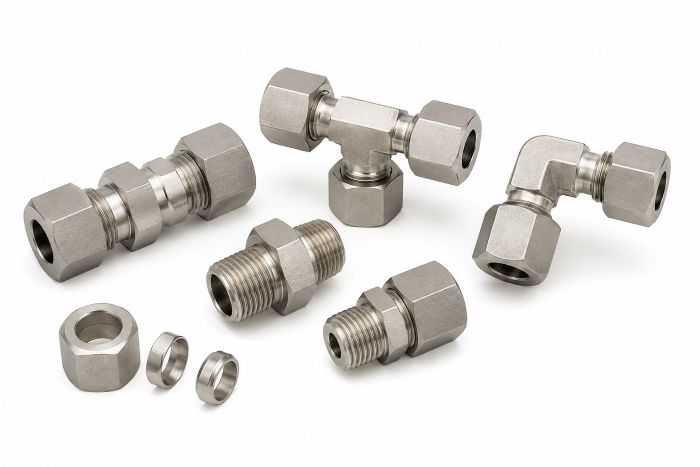
Bite ring fittings, also known as cutting ring fittings or compression tube fittings, are mechanical connectors designed to join hydraulic tubes without welding or soldering. They create a leak-tight connection by using a specially engineered metal ring that “bites” into the outer surface of the tube as the fitting is tightened.
Unlike conventional threaded connections that rely mainly on thread sealing, bite ring fittings create both a mechanical lock and a metal-to-metal seal. This dual-action design ensures the tube remains securely in place, even when exposed to high pressure, vibration, or sudden pressure surges.
Main Components of a Bite Ring Fitting
A bite ring fitting consists of several precision-engineered parts that work together:
1. Tube: The hydraulic tube that carries pressurized fluid.
2. Bite Ring: The hardened metal ring that grips the tube during installation.
3. Nut: Applies the force needed to compress the bite ring.
4. Fitting Body: Houses the sealing surfaces and supports the tube.
5. Sealing Surface: Creates a tight metal-to-metal seal to prevent leaks.
Each component plays a vital role in ensuring a secure, long-lasting hydraulic connection.
Why Reliable Tube Connections Matter
Hydraulic systems often operate under pressures ranging from several hundred to several thousand PSI. Under these demanding conditions, every fitting must withstand:
1. Continuous high pressure
2. Constant vibration
3. Temperature fluctuations
4. Mechanical shock
5. Hydraulic pressure spikes
6. Long operating hours
A poor-quality connection can result in fluid leaks, pressure loss, equipment failure, environmental contamination, and unexpected downtime. Bite ring fittings are specifically engineered to overcome these challenges by providing exceptional holding strength and sealing performance.
How Bite Ring Fittings Work
The effectiveness of bite ring fittings lies in their simple yet highly engineered installation process. Each step contributes to creating a secure hydraulic connection capable of lasting for years.
Step 1: Preparing the Hydraulic Tube
Installation begins by cutting the hydraulic tube to the required length. The cut should be perfectly square to ensure even contact with the fitting body.
After cutting, the tube is carefully deburred inside and out. Removing burrs prevents damage to the bite ring and allows the tube to seat properly. Finally, the tube is cleaned to remove dirt, oil, or metal particles that could affect sealing performance.
Proper preparation is essential because even a high-quality fitting cannot compensate for a poorly prepared tube.
Step 2: Assembling the Components
The fitting components are assembled in the correct order:
➡️ Slide the nut onto the tube.
➡️ Position the bite ring behind the nut.
➡️ Fully insert the tube into the fitting body until it reaches the internal stop.
Ensuring the tube is fully seated is critical. If it is not inserted completely, the bite ring may not grip correctly, increasing the risk of leaks or tube pull-out.
Step 3: Tightening the Nut
Once assembled, the nut is tightened using the recommended torque specification.
As the nut advances along the fitting body, it forces the bite ring forward. This generates controlled compression that causes the cutting edges of the bite ring to press firmly against the tube surface.
Unlike excessive deformation, this controlled action is carefully engineered to provide maximum holding strength without damaging the tube.
Step 4: The Bite Ring Grips the Tube
The defining feature of a bite ring fitting occurs during this stage.
As tightening continues, the hardened edges of the bite ring cut slightly into the outer wall of the hydraulic tube. This controlled penetration creates a permanent mechanical grip that prevents the tube from moving or pulling out during operation.
At the same time, the ring deforms just enough to create intimate metal-to-metal contact between the tube and fitting body. This combination of mechanical locking and sealing provides outstanding reliability even under continuous vibration and fluctuating pressure.
Step 5: Creating a Leak-Free Seal
Once the bite ring is fully engaged, the fitting forms a robust seal that prevents hydraulic fluid from escaping.
Instead of relying on sealants or gaskets, bite ring fittings use precision-machined metal surfaces to create the seal. This design minimizes wear and provides excellent long-term performance in demanding industrial environments.
Because hydraulic fluid remains fully contained, system pressure stays consistent, helping equipment operate more efficiently while reducing maintenance costs.
Step 6: Performance During Operation
After installation, the bite ring fitting continues to perform under a wide range of operating conditions.
As hydraulic pressure builds inside the tube, the mechanical grip created by the bite ring resists axial forces that could otherwise pull the tube loose. The fitting also withstands vibration, thermal expansion, and repeated pressure cycles without compromising sealing performance.
This dependable operation is one of the primary reasons bite ring fittings are widely used in heavy machinery, mobile equipment, industrial automation, and hydraulic power systems.
Key Advantages of Bite Ring Fittings
Bite ring fittings offer several important benefits that make them a preferred solution for hydraulic systems.
Leak-Free Performance: The precision metal-to-metal seal minimizes the risk of hydraulic fluid leakage.
Excellent Vibration Resistance: The mechanical grip keeps tubing securely in place, even in equipment exposed to continuous vibration.
High Pressure Capability: Bite ring fittings are designed for demanding hydraulic applications where reliability is essential.
No Welding Required: Installation is straightforward and does not require specialized welding equipment, reducing labor and installation time.
Long Service Life: Manufactured from durable materials such as carbon steel or stainless steel, these fittings deliver years of dependable performance with proper installation and maintenance.
Easy Maintenance: If maintenance is required, individual components can often be inspected or replaced without extensive system modifications.
In the next section, we’ll explore the materials used in bite ring fittings, their common industrial applications, installation best practices, and why Sannke is a trusted choice for high-quality bite ring fittings worldwide.
Materials Used in Bite Ring Fittings
The material of a bite ring fitting plays a significant role in its durability, corrosion resistance, and overall performance. Choosing the right material ensures the fitting can withstand the operating environment and maintain a reliable seal over time.
Carbon Steel
Carbon steel is one of the most commonly used materials for hydraulic bite ring fittings. It offers excellent strength, high pressure resistance, and cost-effectiveness, making it ideal for construction equipment, agricultural machinery, industrial hydraulic systems, and heavy-duty manufacturing applications.
Stainless Steel
Stainless steel bite ring fittings provide superior corrosion resistance, making them suitable for harsh environments where moisture, chemicals, or saltwater are present. They are widely used in marine equipment, food processing plants, chemical facilities, and offshore hydraulic systems.
Brass
Brass bite ring fittings are typically used in lower-pressure applications where corrosion resistance is more important than maximum strength. They are often found in pneumatic systems and light industrial equipment.
Common Applications of Bite Ring Fittings
Because of their secure mechanical grip and excellent sealing capability, bite ring fittings are used in a wide range of industries, including:
1. Construction and earthmoving equipment
2. Agricultural machinery and tractors
3. Mining and drilling equipment
4. Manufacturing and industrial automation
5. Oil and gas hydraulic systems
6. Marine and offshore equipment
7. Material handling machinery
8. Power generation facilities
9. Heavy trucks and commercial vehicles
In each of these applications, reliable hydraulic connections are essential for maintaining safety, maximizing productivity, and minimizing costly downtime.
Installation Best Practices
Although bite ring fittings are designed for easy installation, following proper procedures is essential for achieving optimal performance.
Use the Correct Tube Size
Always select tubing that matches the fitting’s specifications. Incorrect tube dimensions can prevent the bite ring from gripping properly and may result in leaks or premature failure.
Prepare the Tube Carefully
Ensure the tube is cut squarely, deburred, and thoroughly cleaned before assembly. Dirt, metal shavings, or damaged tube ends can compromise the sealing surface.
Fully Insert the Tube
Push the tube completely into the fitting body before tightening the nut. Partial insertion may prevent the bite ring from engaging correctly.
Follow Recommended Tightening Torque
Under-tightening may create an incomplete seal, while over-tightening can damage the bite ring or tube. Always follow the manufacturer’s installation guidelines.
Inspect Before Pressurizing
Before putting the hydraulic system into service, inspect each connection for proper assembly and verify that all fittings are tightened correctly.
Common Installation Mistakes to Avoid
Even high-quality bite ring fittings can fail if installed incorrectly. Some of the most common mistakes include:
1. Using damaged or scratched tubing
2. Failing to remove burrs after cutting
3. Reusing worn or damaged bite rings
4. Mixing incompatible fitting components
5. Over-tightening or under-tightening the nut
6. Installing contaminated parts
7. Using fittings beyond their pressure rating
Avoiding these errors helps ensure a leak-free connection and extends the service life of both the fitting and the hydraulic system.
Bite Ring Fittings vs. Other Hydraulic Fittings
When selecting hydraulic fittings, it is helpful to understand how bite ring fittings compare with other common connection types.
|
Feature |
Bite Ring Fittings |
||
|
Leak Resistance |
Excellent |
Good |
Excellent |
|
High-Pressure Performance |
Excellent |
Good |
Excellent |
|
Vibration Resistance |
Excellent |
Moderate |
Excellent |
|
Installation |
Simple |
Moderate |
Easy |
|
Maintenance |
Easy |
Easy |
Easy |
Bite ring fittings stand out for their strong mechanical grip and exceptional reliability in demanding hydraulic environments. They are particularly well suited for applications involving continuous vibration and high operating pressures.
Why Choose Sannke Bite Ring Fittings?
Selecting a reliable manufacturer is just as important as choosing the right fitting. Sannke has established itself as a trusted supplier of premium hydraulic fittings by focusing on quality, precision, and customer satisfaction.
Precision Manufacturing
Every Sannke bite ring fitting is manufactured with tight dimensional tolerances to ensure accurate installation and consistent sealing performance.
Premium Materials
Sannke uses high-quality carbon steel and stainless steel materials that provide excellent strength, corrosion resistance, and long service life in demanding industrial environments.
Strict Quality Control
Each product undergoes comprehensive quality inspections to verify dimensional accuracy, material integrity, and pressure performance before shipment. This commitment to quality helps customers reduce maintenance issues and improve equipment reliability.
Comprehensive Product Range
In addition to bite ring fittings, Sannke offers a complete portfolio of hydraulic products, including hydraulic adapters, metric fittings, banjo fittings, test port fittings, lubrication fittings, hose fittings, and customized hydraulic connection solutions.
Global Supply Capability
With extensive export experience, Sannke serves customers around the world by delivering high-quality hydraulic fittings, dependable lead times, competitive pricing, and responsive technical support. Whether you require standard products or OEM and ODM solutions, Sannke is equipped to meet diverse industrial needs.
Frequently Asked Questions
What is the primary function of a bite ring fitting?
A bite ring fitting securely connects hydraulic tubing by creating both a mechanical grip and a metal-to-metal seal. This prevents tube movement and minimizes the risk of fluid leakage under high pressure.
Can bite ring fittings be reused?
In many cases, the fitting body and nut can be reused if they are in good condition. However, the bite ring should always be carefully inspected for wear or damage, and replacing it is often recommended to ensure reliable sealing performance.
Are bite ring fittings suitable for high-pressure hydraulic systems?
Yes. Bite ring fittings are specifically designed for demanding hydraulic applications and are widely used in systems that operate under high pressure and constant vibration.
What material should I choose?
Carbon steel is an excellent choice for most industrial hydraulic systems, while stainless steel is preferred for corrosive or marine environments where additional protection against rust is required.
Conclusion
Bite ring fittings are a proven solution for creating secure, leak-free connections in hydraulic systems. Their innovative design allows the bite ring to grip the tube firmly while forming a precision metal-to-metal seal that withstands high pressure, vibration, and challenging operating conditions. This combination of strength and reliability makes them an ideal choice for industries ranging from construction and agriculture to manufacturing and offshore operations.
However, achieving the best performance depends not only on selecting the right fitting but also on proper installation, regular inspection, and sourcing products from a trusted manufacturer.
Sannke delivers precision-engineered bite ring fittings that meet the demanding requirements of modern hydraulic systems. With premium materials, rigorous quality control, a comprehensive product range, and global supply capabilities, Sannke provides dependable hydraulic connection solutions that help businesses improve system reliability, reduce maintenance costs, and maximize operational efficiency.
Whether you are designing a new hydraulic system or upgrading existing equipment, choosing high-quality bite ring fittings from Sannke is a smart investment in long-term performance and safety.
Post time: Jul-14-2026