

Hydraulic systems are the backbone of many industrial operations, powering everything from heavy construction equipment to precision manufacturing machinery. However, one of the most persistent challenges these systems face is high vibration. Whether caused by engines, pumps, or constant mechanical motion, vibration can significantly impact the reliability of hydraulic connections.
Using the wrong fittings in such environments often leads to leaks, component fatigue, and costly downtime. This article explores the best hydraulic fittings for high vibration, along with key features, types, and best practices to help you build a more durable and efficient hydraulic system.
What Causes High Vibration in Hydraulic Systems
High vibration in hydraulic systems typically originates from:
1. Heavy machinery such as excavators, loaders, and drilling equipment
2. Engines and rotating motors
3. Pressure pulsations within hydraulic circuits
4. Poor system design or inadequate mounting
Effects of Vibration on Hydraulic Components
If not properly managed, vibration can cause:
1. Loosening of threaded connections
2. Metal fatigue and cracking
3. Seal wear and degradation
4. Fluid leakage and pressure loss
Over time, these issues can lead to system failure and increased maintenance costs.
Why Choosing the Right Hydraulic Fittings Matters
Selecting the correct hydraulic fittings for high vibration is not just about performance—it’s also about safety and cost efficiency. Poor-quality or incompatible fittings can:
1. Lead to hazardous fluid leaks
2. Increase unplanned downtime
3. Reduce system efficiency
4. Violate industry standards such as SAE
Investing in the right fittings ensures long-term reliability and operational stability.
Key Features of Hydraulic Fittings for High Vibration
1. Vibration Resistance
Fittings must maintain a secure connection even under continuous movement and mechanical stress.
2. Leak-Proof Sealing
Reliable sealing mechanisms, such as O-rings, help prevent leaks caused by vibration-induced loosening.
3. High-Strength Materials
Durable materials like stainless steel or high-grade carbon steel improve resistance to fatigue and wear.
4. Thread Design & Locking Capability
Well-designed threads and locking features reduce the risk of loosening over time.
5. High Pressure Ratings
Fittings must handle both pressure and vibration simultaneously without failure.
Best Types of Hydraulic Fittings for High Vibration
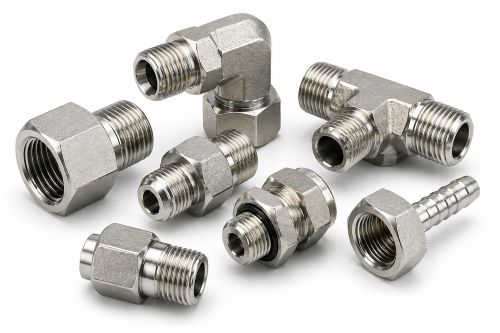
ORFS (O-Ring Face Seal) Fittings
ORFS fittings are widely regarded as the best option for high-vibration environments. Their O-ring design creates a strong, leak-resistant seal that remains intact even under movement.
JIC (37° Flare) Fittings
JIC fittings are commonly used due to their versatility and ease of installation. While they perform well, they may require proper torque and periodic checks in high-vibration conditions.
BSP and NPT Threaded Fittings
These threaded fittings are suitable for certain applications but are generally more prone to loosening under vibration unless properly secured.
SAE Flange Fittings
Compression Fittings
Compression fittings can be used in moderate vibration scenarios but are not typically recommended for extreme conditions.
Materials Comparison for High-Vibration Applications
Choosing the right material is just as important as selecting the fitting type:
1. Carbon Steel: Strong and cost-effective, suitable for general industrial use
2. Stainless Steel: Excellent corrosion resistance and durability, ideal for harsh environments
3. Brass: Less durable, best for light-duty applications
Industries That Require Hydraulic Fittings for High Vibration
High-vibration hydraulic systems are common in:
1. Construction and earthmoving equipment
2. Mining operations
3. Oil and gas industries
4. Agricultural machinery
5. Marine and offshore systems
Each of these industries demands fittings that can withstand constant movement and harsh conditions.
Common Mistakes to Avoid
When dealing with hydraulic fittings for high vibration, avoid these pitfalls:
1. Using the wrong type of fitting for the application
2. Over-tightening or under-tightening connections
3. Mixing incompatible standards (e.g., SAE and BSP)
4. Ignoring routine inspections
5. Poor hose routing that increases vibration stress
Installation Best Practices
Proper installation plays a major role in performance:
1. Apply correct torque to avoid loosening or damage
2. Use clamps and supports to reduce movement
3. Ensure proper alignment to prevent stress on fittings
4. Follow a regular inspection schedule
Maintenance Tips for Long-Term Performance
To maximize the lifespan of your hydraulic fittings:
1. Conduct routine leak inspections
2. Monitor for signs of wear or fatigue
3. Replace seals before failure occurs
4. Keep fittings clean and protected from corrosion
How to Choose the Best Hydraulic Fittings for High Vibration
Follow this simple checklist:
1. Identify the level of vibration in your system
2. Determine operating pressure and temperature
3. Select the appropriate fitting type (e.g., ORFS, flange)
4. Choose the right material for your environment
5. Ensure compatibility with standards such as SAE or ISO
Conclusion
High vibration is one of the leading causes of hydraulic system failure, but it can be effectively managed with the right components. Choosing the best hydraulic fittings for high vibration ensures safer operations, reduced downtime, and improved system performance.
By selecting the correct fitting types, using durable materials, and following proper installation and maintenance practices, you can significantly extend the life of your hydraulic system and avoid costly disruptions.
FAQs
What are the best hydraulic fittings for high vibration?
ORFS and SAE flange fittings are among the best choices due to their strong sealing and resistance to loosening.
Are ORFS fittings better than JIC for vibration?
Yes, ORFS fittings generally provide better leak resistance in high-vibration environments.
How do I prevent hydraulic fittings from loosening?
Use proper torque, secure fittings with clamps, and perform regular inspections.
Which material is best for high-vibration environments?
Stainless steel is ideal for harsh conditions, while carbon steel works well for general applications.
Can vibration cause hydraulic leaks?
Yes, vibration can loosen connections and damage seals, leading to leaks over time.
Post time: Apr-30-2026